The FAA’s rescission of single-pilot exemptions changed the operating and training picture for a defined group of legacy Cessna Citation jets. On September 28, 2026, the agency published Notice 91 FR 61135, and the policy took legal effect on September 29, 2026, ending the prior exemption path for affected aircraft and returning those operations to the two-pilot limits tied to their certification basis, as stated in the Federal Register notice. For pilots, owners, flight departments, and training providers, the change is not a paperwork footnote. It affects dispatch decisions, recurrent training plans, crew qualification tracking, and how a pilot presents recent experience during a check or insurance review.
What Single-Pilot Exemptions Changed For CE-500 Crews
Single-Pilot Exemptions And Legal Authority
The affected aircraft are transport-category CE-500 variants that were type certificated for two-pilot operations. Under the former exemption structure, qualified pilots could receive training and authorization that allowed single-pilot operation despite the aircraft’s two-pilot certification basis. That pathway ended on September 29, 2026. These single-pilot exemptions no longer authorize solo operation in the covered models, so a pilot who previously relied on a logbook endorsement or exemption-based authorization must plan for a qualified second-in-command.
For operators, the key compliance point is simple: aircraft documents and FAA rules now control the flight deck staffing decision without the rescinded exemption relief. The FAA’s action points operators back to requirements such as sections 91.9 and 91.531, which tie operations to the approved aircraft limitations and crew requirements. If a flight department treated exemption currency as part of its normal dispatch workflow, that workflow needs immediate revision.
Aircraft Named In The Notice
The FAA identified the affected aircraft as certain Part 25 Cessna Citation models in the CE-500 line. The notice listed Model 500, including Citation and Citation I; Model 550, including Citation II and Bravo; Model S550, including Citation S/II; Model 552, identified as Navy T-47A; and Model 560, including Citation V, Ultra, Encore, and Encore+. The FAA also cited “widespread noncompliance,” including incomplete recordkeeping, training conducted in advanced aviation training devices contrary to exemption conditions, improper checks by designated pilot examiners, falsified records, and an accident-rate comparison in which Part 25 CE-500 variants flown single pilot had about twice the accident rate over 18 years compared with specified Part 23 CE-500, CE-510, and CE-525 aircraft flown single pilot, according to the agency’s published rule document.
That model list matters because Citation branding alone does not answer the crew question. Operators should verify the exact model, type certificate data, aircraft flight manual limits, equipment requirements, and training records before assigning crew. A Citation owner who flies more than one model should avoid carrying assumptions from one aircraft to another.
Why The FAA Acted On Cessna Citation Training
Compliance Findings
The FAA’s stated basis was not limited to a preference for two-pilot operations. The agency described repeated failures to follow the conditions and limitations attached to the former exemption system. That matters for training providers because an exemption program depends on documented adherence to its terms. If training records, device use, evaluator authority, and proficiency checks do not match the authorization, the safety value of the program becomes difficult to verify.
For a working pilot, this creates a clear lesson: training quality includes the paperwork trail. A CE-500 pilot may fly to standard in the aircraft, but an operator still needs records showing the correct course, the correct checking event, and the correct authority behind that event. In the new operating posture, those records support two-pilot qualification rather than exemption-based single-pilot use.
Accident Data Cited By The Agency
The FAA referenced accident history as part of its safety case. The notice cited a fatal accident on May 22, 2025, involving single-pilot operation of a CE-500 variant, with six people killed on board and eight injured on the ground. The agency also cited a December 18, 2025 accident in Statesville, North Carolina, involving a CE-500 variant that required two pilots but was operated without a qualified second-in-command on board. Both investigations were identified as ongoing in the research record, so any training analysis should avoid assigning final cause beyond what the agency stated.
That restraint matters. The practical takeaway is not to reduce these events to one factor. Instead, the FAA used them as part of a wider record involving certification basis, accident-rate comparison, checking practices, and exemption compliance. For pilots building a career in turbine aircraft, the lesson is that regulatory privileges can narrow quickly when the FAA sees a gap between written conditions and field practice.
Training And Crew Planning For Operators

How Training Providers Need To Reframe CE-500 Courses
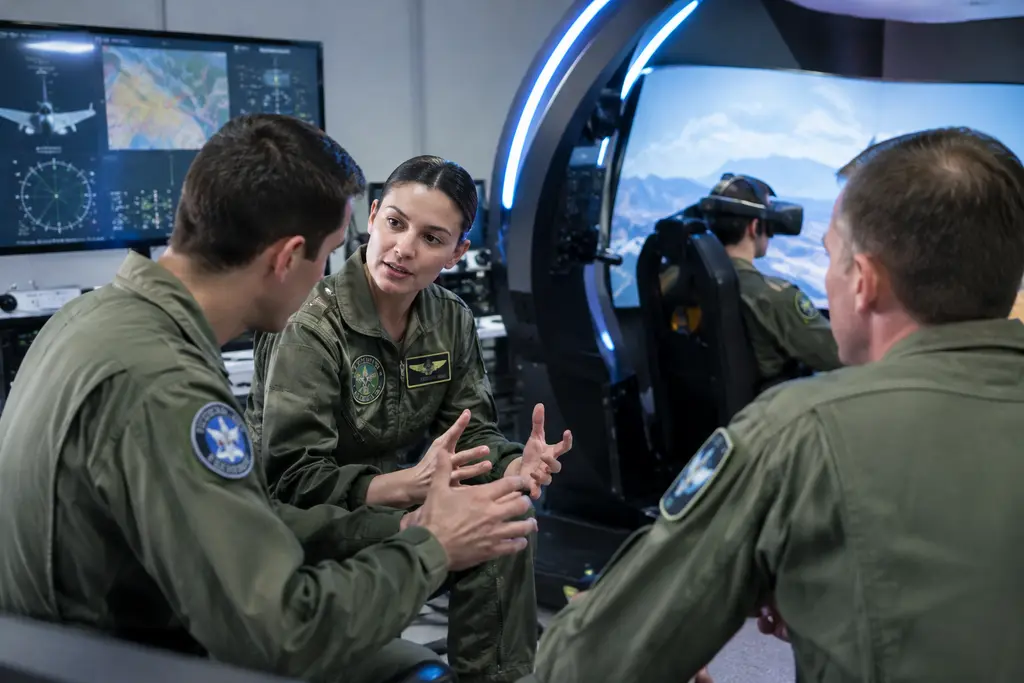
Training schools under Parts 61, 141, and 142 need to adjust the way they market, conduct, and document CE-500 training for affected aircraft. The research record states that 13 of 14 Part 61 exemption holders failed to maintain compliance and lost exemption authority. That figure should get the attention of any school that previously built a course around exemption-based authorization.
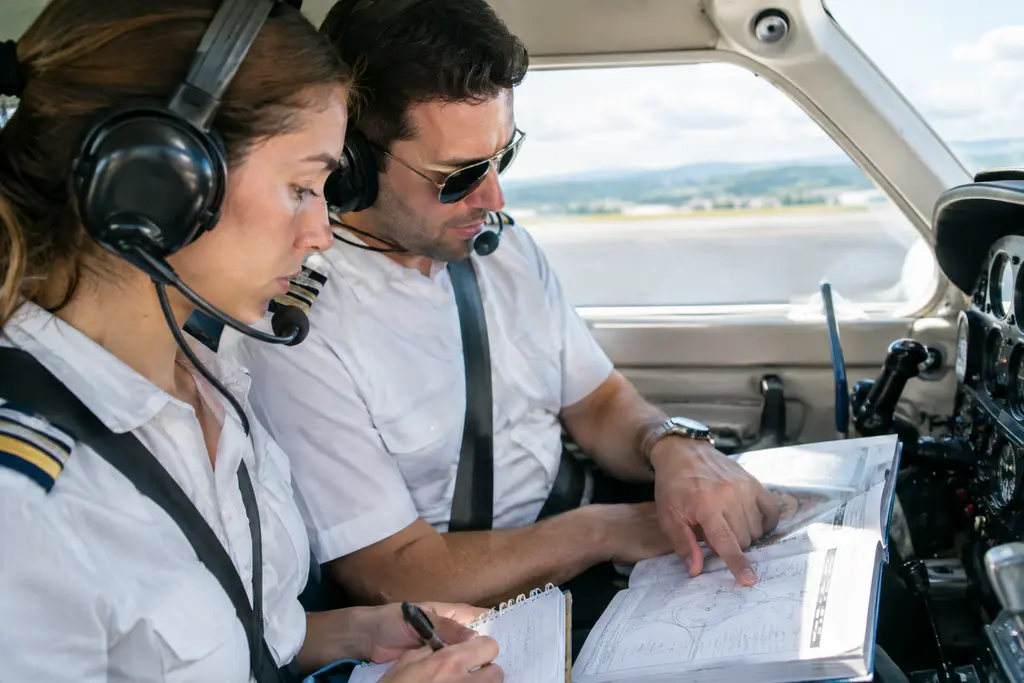
Course content should now place greater weight on two-pilot standard operating procedures, crew coordination, callouts, abnormal procedures, and role discipline between pilot flying and pilot monitoring. The end goal is not just passing a check. It is creating a repeatable two-crew operating standard that matches the aircraft’s approved limitations. Pilots who completed proficiency checks under section 61.58 during the exemption period may still be able to use those checks for pilot-in-command requirements in two-pilot operations, based on the FAA’s notice, but they should confirm the status of their records with the training provider and principal operations contact where applicable.
For readers interested in tracking aviation topics under the same publishing umbrella, Internet Video Mag is a great resource for insights on media production and online publishing. Meanwhile, this analysis keeps its focus strictly on flight training and operational impacts.
What Operators Should Audit Now
The loss of single-pilot exemptions makes a records audit more urgent for operators of affected models. A useful audit should start with the aircraft identity, then move to crew qualification, recurrent training dates, 61.58 checks, SIC qualification, insurance requirements, and internal dispatch procedures. The goal is to remove any process that still assumes a pilot may launch alone under the rescinded exemption.
Operators should also brief schedulers and maintenance coordinators. A trip that was easy to staff under one-pilot assumptions may now require a second qualified pilot, different duty planning, and earlier coordination with a training provider or contract pilot service. That is a real operating burden, but it is also the new compliance baseline for affected aircraft. For a related training-focused analysis, see our CE-500 pilot training update.
- Confirm the exact Citation model and certification basis before scheduling any flight.
- Remove outdated exemption language from dispatch, training, and pilot qualification files.
- Verify that both pilots assigned to a trip meet the applicable qualification and currency requirements.
- Ask training providers to identify which courses now support two-pilot CE-500 operations.
- Keep copies of recent checks, course completion records, and aircraft-specific limitations together for review.
Cessna Citation Training After The FAA Rescission
After single-pilot exemptions ended for the affected CE-500 aircraft, the smartest response is disciplined, document-driven training. Owners and pilots should treat the change as a firm operational boundary rather than a temporary inconvenience. As of November 10, 2026, the cited FAA action remains effective, and affected flights need to align with the two-pilot requirements tied to the aircraft’s type certification and approved limitations.
For pilots, the career impact depends on how quickly they adapt. A pilot who previously sold single-pilot CE-500 experience as a strength can still present deep aircraft knowledge, but the training conversation has shifted toward crew resource management, standard callouts, monitoring discipline, and clean recordkeeping. For operators, the task is to make sure every flight release reflects the aircraft, the crew, and the training record as they stand after the rescission. That approach keeps the focus where it belongs: safe Citation operations, clear compliance, and training that matches the aircraft being flown.