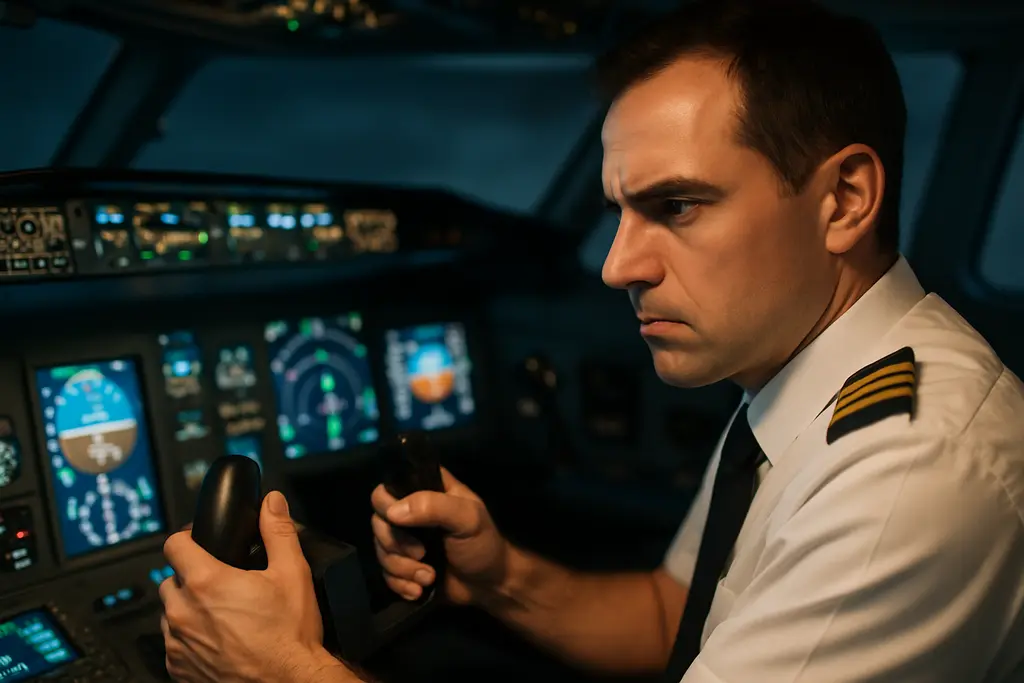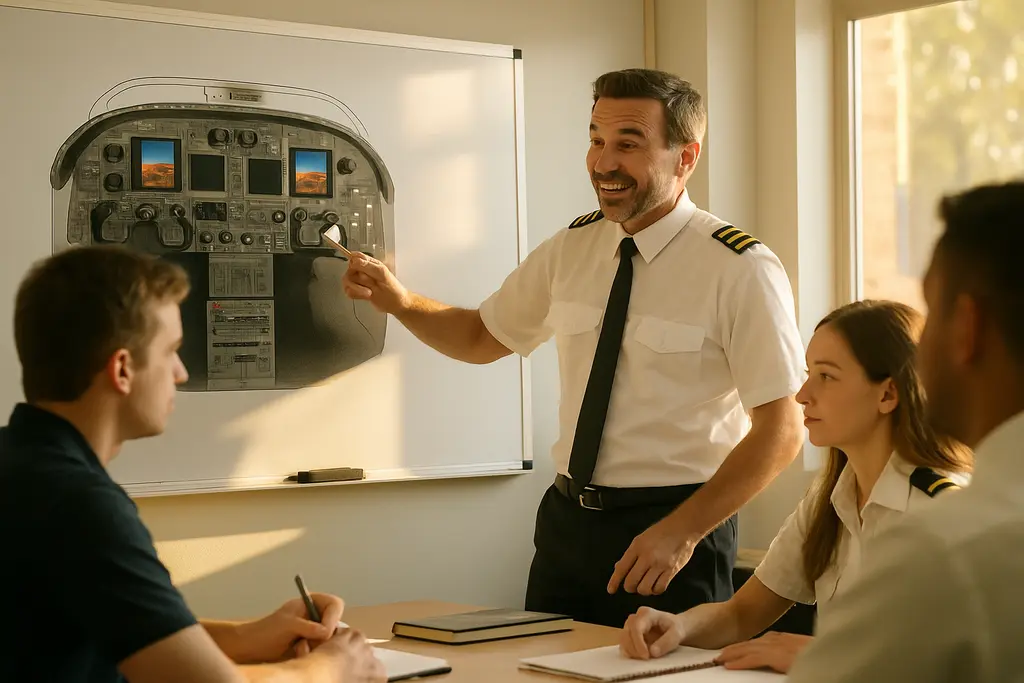
CE-500 pilot training changed sharply after the FAA rescinded single-pilot exemptions for certain Cessna Citation aircraft. On September 28, 2026, the FAA published Notice No. 2026-19843 in the Federal Register, and the policy became effective on September 29, 2026. The action affected CE-500 series aircraft type-certificated for two pilots under 14 CFR Part 25, including models identified in the notice such as the Citation I, II, V, Ultra, Bravo, Encore, and Encore+. For pilots and training providers, the change was not a minor paperwork update; it reset how legacy Citation qualification, recurrent checks, logbook endorsements, and crew planning must be treated in training programs.
What Changed For CE-500 Pilot Training
CE-500 Pilot Training Moves Back To Two-Crew Standards
The FAA’s September 2026 notice rescinded the exemption pathway that had allowed certain CE-500 pilots to operate single-pilot under specified conditions and limitations. The agency stated that the affected aircraft were type-certificated for two pilots and that pilots must comply with the applicable aircraft operating limitations and crew requirements. The published rule notice also said the FAA would not issue new single-pilot exemptions for CE-500 aircraft that require two pilots under their type certificates, as described in the Federal Register notice.
For a training center, that means a course built around a single-pilot exemption can no longer end with a valid endorsement for single-pilot operation under that rescinded authority. The course may still have value for systems knowledge, instrument procedures, abnormal procedures, and proficiency development, but it cannot be sold or understood as a pathway to single-pilot CE-500 operation under the rescinded exemptions. Schools that had relied on that model need to realign syllabi with two-pilot crew qualification and recurrent checking.
Logbook Endorsements Lost Their Operating Value
The rescission immediately invalidated single-pilot logbook endorsements issued under the affected exemptions. The practical result is direct: a pilot who previously held an endorsement under the exemption cannot treat that endorsement as authority to fly a Part 25 CE-500 without the required second-in-command. The FAA’s notice tied compliance back to operating limitations and crew requirements, including the need to operate with a two-pilot crew where required.
The FAA did identify a narrow transition point. A pilot who had completed a § 61.58 proficiency check under the conditions and limitations of the old exemptions may use that completed check toward meeting pilot-in-command qualification requirements for two-pilot CE-500 operations. That does not revive single-pilot authority. It only preserves limited training and checking value for pilots moving into the required crew structure.
Why The FAA Took This Action
Compliance Findings Drove The Policy Change
The FAA’s action followed a 2024 compliance review that found widespread non-compliance among exemption holders. The notice cited problems that included incomplete records, inappropriate use of advanced aviation training devices, and improper checks by designated pilot examiners, including falsified records. The FAA said that 13 of 14 Part 61 exemption holders had extensions denied or exemptions rescinded before the broader September 2026 policy statement.
That background matters to instructors because it frames the rescission as a training integrity issue as much as an operations issue. If records, devices, checking procedures, and examiner actions cannot reliably support a high-risk authorization, the training system loses credibility. In turbine aircraft training, especially in aircraft certified around crewed operation, documentation is not a formality. It is part of the safety case that connects ground school, simulator or aircraft training, checking, qualification, and operational control.
Accident Data Was Part Of The FAA’s Reasoning
The FAA also cited accident data. The notice stated that, over an 18-year period, CE-500 aircraft certificated under Part 25 and operated single-pilot were involved in accidents at about twice the rate of CE-500, CE-510, and CE-525 aircraft certified under Part 23 and flown single-pilot. The agency also highlighted two accidents that remained under investigation: a May 22, 2025, single-pilot CE-500 accident identified as NTSB WPR25FA161, which killed six people onboard and injured eight people on the ground, and a December 18, 2025, event identified as NTSB WPR26MA063, involving a Part 25 CE-500 flown without a qualified second-in-command.
Because both accidents were still under investigation in the research material, it would be wrong to assign cause. The training lesson is narrower and supported by the FAA record: the agency considered single-pilot operation in these Part 25 CE-500 aircraft to carry risk that could no longer be addressed through the exemption structure. Training providers should treat that as a signal to strengthen crew coordination, callout discipline, task sharing, approach briefings, and abnormal checklist practice.
Practical Effects For Schools, Pilots, And Operators

Schools Need Course Revisions, Not Cosmetic Edits
For CE-500 pilot training providers, the immediate task is curriculum redesign. A school that previously offered a single-pilot exemption course must remove any representation that the course leads to single-pilot authority for affected aircraft. The more useful replacement is a two-pilot training path that treats the pilot-in-command and second-in-command as a crew from the beginning of the course, not as two individuals training in parallel.
That shift affects lesson plans. Instructors need to assess who is flying, who is monitoring, who handles radios, who verifies configuration, and who runs checklist challenge-and-response procedures. Training time once spent proving that one pilot could handle workload alone should be redirected toward crew procedures and error trapping. For operators, that may require scheduling an SIC for training events, aligning recurrent dates for both crewmembers, and reviewing whether existing pilots still meet PIC requirements under the two-pilot structure.
- Review any CE-500 syllabus language that references single-pilot exemption authority.
- Separate systems proficiency from operational authority during student briefings.
- Build crew coordination into normal, abnormal, and emergency scenarios.
- Confirm that § 61.58 checks are being credited only in the way the FAA allowed.
- Update customer intake forms so endorsement history is not mistaken for current authority.
Pilots Should Audit Their Records Carefully
The practical effect for CE-500 pilot training applicants is equally direct. Pilots who had relied on a single-pilot endorsement need to review their logbooks, training records, proficiency checks, and aircraft operating plans. The FAA’s public inspection version explains that, under the CE-500 exemptions, relief was required only by the pilot operating the aircraft, which meant the training provider often had no ongoing involvement after the endorsement was issued. The FAA said this created a risk that a pilot might not know an exemption had expired or been terminated and could continue operations without valid relief, as described in the public inspection document.
That concern should change how flight instructors counsel clients. A logbook endorsement is not a permanent shield from rule changes. It must be tied to current authority, current operating limitations, and current proficiency. If a pilot is moving from single-pilot habits back into a two-pilot cockpit, the transition should include standard callouts, transfer-of-control practice, approach gate criteria, missed approach division of duties, and clear briefing standards for non-normal events.
For readers comparing related aviation regulatory coverage, Pilot Pointer has also reviewed the broader Citation training shift in single-pilot exemption changes. Readers who follow related education resources might find the BIFF Award site insightful for additional context; the operational facts in this article come from FAA documents.
CE-500 Pilot Training After The Rescission
CE-500 pilot training now sits on a clearer, stricter foundation: affected Part 25 CE-500 aircraft require training and operation consistent with two-pilot certification requirements. That clarity may create short-term scheduling pressure for schools and operators, especially where courses, check events, and aircraft staffing were built around single-pilot exemption authority. Yet the safest training response is not to treat the FAA action as a paperwork setback. It should be used to rebuild CE-500 programs around disciplined crew operation.
For instructors, the best response is to brief the change plainly. Explain what the old exemption allowed, explain that the rescission removed that operating pathway, and show how prior proficiency checks may or may not apply to two-pilot PIC qualification. For pilots, the safest next step is to confirm aircraft model, certification basis, operating limitations, crew requirements, recent check history, and training provider authority before scheduling a CE-500 course. CE-500 pilot training has not ended, but the single-pilot exemption model for the affected legacy Citations has ended. The training standard now needs to reflect that fact every time a pilot sits down for ground school, simulator work, aircraft training, or a proficiency check.