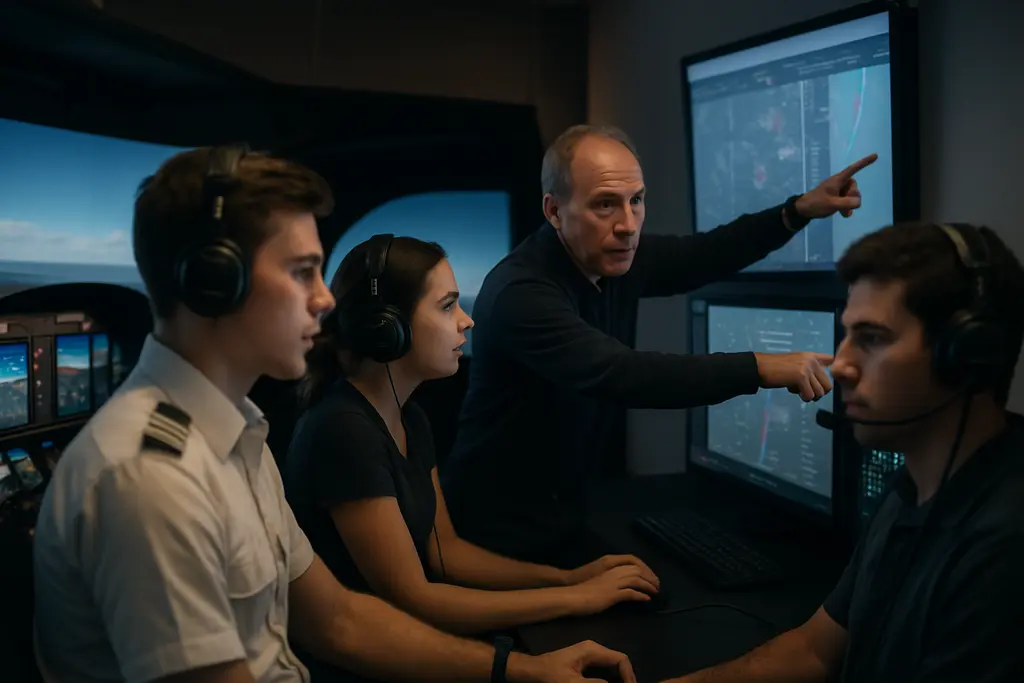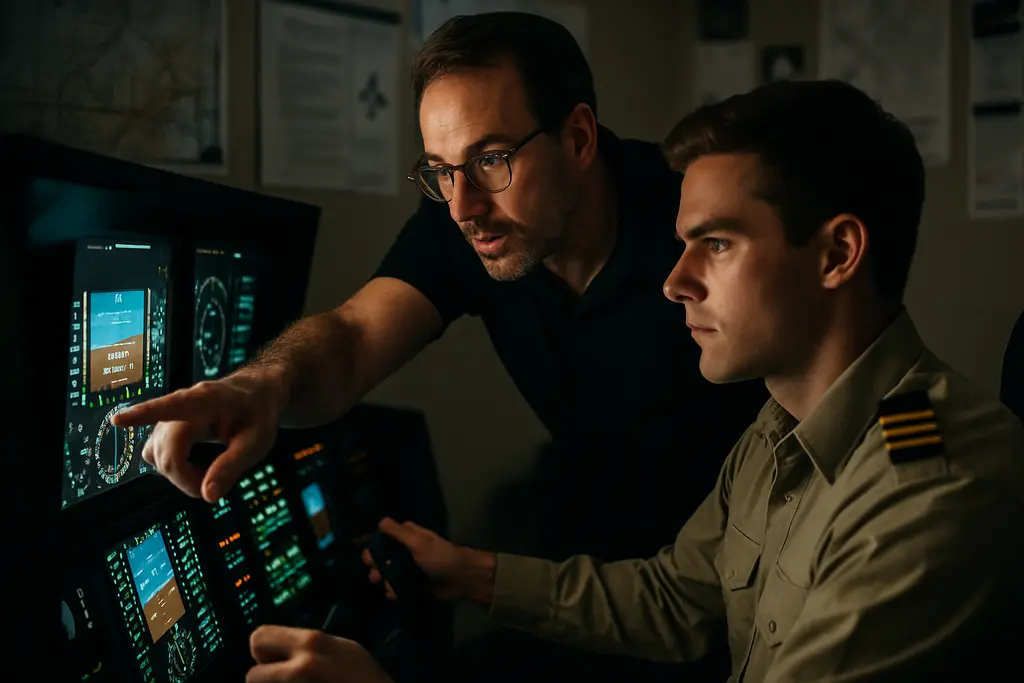
Embarking on your flight training journey is an incredibly rewarding endeavor, but the learning curve is undeniably steep. The flight deck of a general aviation aircraft is a high-workload environment, and every new aviator is bound to make errors while developing their spatial awareness and motor skills. Recognizing these common student pilot mistakes early in your training can save you thousands of dollars in Hobbs time and significantly reduce your frustration in the cockpit.
Flight instructors universally observe the same patterns of behavior in early training. Understanding the psychological and physiological reasons behind these errors is the first step toward correcting them. Instead of waiting for an instructor to constantly correct your pitch and bank, you can actively self-diagnose your habits. By utilizing official resources like the FAA aviation training handbooks to supplement your ground knowledge, you can proactively address these pitfalls before they become ingrained muscle memory. Mastering these foundational skills is essential, especially as you begin preparing for your first solo flight and taking true command of the aircraft.
Fixating On The Flight Instruments Inside The Cockpit
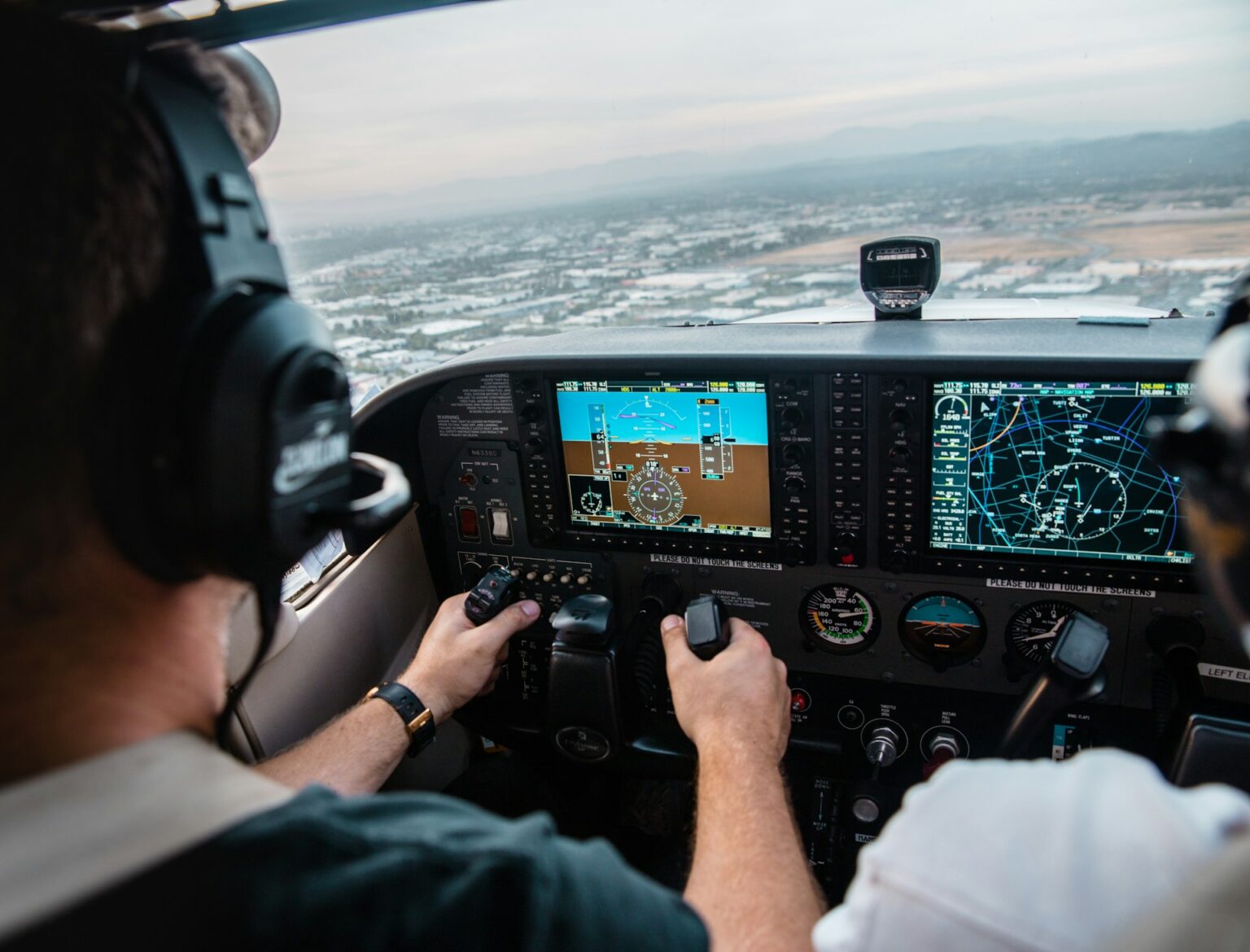
One of the most persistent issues for a newly minted student pilot is an overwhelming desire to stare at the six-pack of flight instruments. Because modern life conditions us to look at screens for data, students naturally drop their eyes to the airspeed indicator, altimeter, and vertical speed indicator to confirm the airplane is flying correctly. However, primary flight training operates under Visual Flight Rules (VFR), which dictates that the vast majority of your attention must remain outside the windshield.
When a pilot fixates internally, they miss the subtle visual cues that indicate a change in pitch or bank. The natural horizon is the largest and most accurate attitude indicator available to you. Staring at the panel also creates a dangerous safety hazard by reducing your situational awareness regarding nearby traffic. To break this habit, you must actively practice proper visual scanning techniques as recommended by aviation safety organizations. By keeping your eyes outside and making quick, secondary glances at your instruments, you will fly much smoother and safer.
Over-Controlling And The Infamous Yoke Death Grip
When humans feel anxious or overwhelmed, the natural physiological response is to tense up. In the cockpit, this manifests as the infamous “death grip” on the control yoke. Gripping the controls too tightly removes your ability to feel the aerodynamic pressures feeding back through the flight control cables. This tension inevitably leads to over-controlling the aircraft, where the student chases the altitude and airspeed needles, resulting in a roller-coaster flight path that induces pilot-induced oscillations.
Airplanes are inherently stable machines designed to fly straight and level. If you let go of the yoke in a properly trimmed trainer aircraft, it will naturally seek its trimmed airspeed. Learning to fly with just two fingers and relying heavily on the trim wheel is a breakthrough moment for most aviators. Understanding how to let the airplane do the heavy lifting is a crucial step when figuring out how to build flight hours efficiently without suffering from severe physical fatigue after every lesson.
Common Training Errors At A Glance
| Error | Root Cause | The Practical Solution |
| Instrument Fixation | Over-reliance on panel data instead of the horizon. | Keep eyes outside 80% of the time; cover instruments during practice. |
| Yoke Death Grip | Nervous tension and lack of proper trim usage. | Hold the yoke with two fingers; trim the aircraft for hands-off flight. |
| Radio Intimidation | Fear of sounding unprofessional to Air Traffic Control. | Practice phrasing on the ground; listen to live ATC feeds to normalize the cadence. |
| Rushed Preflight | Complacency or feeling pressured by the lesson clock. | Strictly follow the manufacturer’s checklist without relying on memory. |
Letting Radio Communication Intimidation Slow Progress
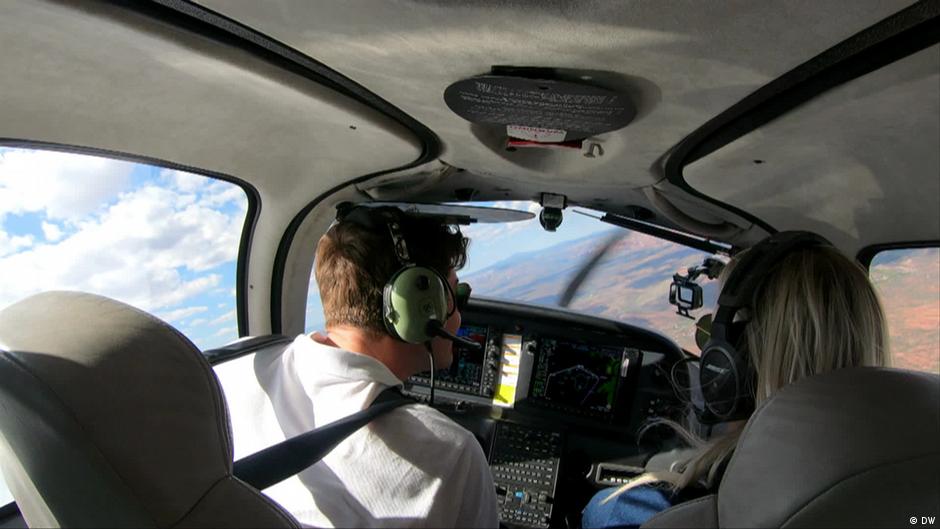
Aviation communication has its own distinct language and cadence, which can be deeply intimidating for a student pilot. “Mike fright” is a very real phenomenon where a student can flawlessly execute a steep turn but completely freeze when Air Traffic Control asks them for a simple readback. This hesitation often stems from a fear of sounding foolish on a busy frequency or misunderstanding a critical clearance.
The most effective way to conquer radio anxiety is through passive immersion and active ground practice. You do not need the engine running to practice your calls. Listening to busy frequency feeds through resources like LiveATC aviation radio while driving or relaxing at home helps train your brain to parse the rapid-fire transmissions. By the time you key the microphone in the aircraft, the rhythm of the transmission should feel entirely natural, allowing you to free up valuable mental bandwidth for flying the airplane.
Final Thoughts
The journey through primary flight training is designed to challenge your multitasking capabilities and aeronautical decision-making. Mistakes are not just expected; they are a vital component of the learning process. The difference between a struggling student and a successful aviator is the ability to recognize these common errors, debrief them honestly, and apply the necessary corrections before the next flight.
As you progress through your syllabus and eventually earn your certificate, you will find that managing workload and maintaining positive control of the aircraft becomes second nature. Fully embracing the lifestyle of general aviation pilots means accepting that you will always be a student of aviation. By conquering these early hurdles with analytical precision and consistent practice, you lay a rock-solid foundation for a lifetime of safe and enjoyable flying.