Aviation technology advances are changing pilot training in a practical way: they are giving students more chances to rehearse decisions, radio work, workload management, and aircraft handling before the cost and pressure of the airplane arrive. The most useful shift is not technology for its own sake. It is the move toward measurable preparation, better scenario design, and clearer instructor feedback. For a modern pilot, that matters because training time is expensive, weather interrupts schedules, and early habits often follow a student into advanced aircraft.
What Aviation Technology Advances Change First
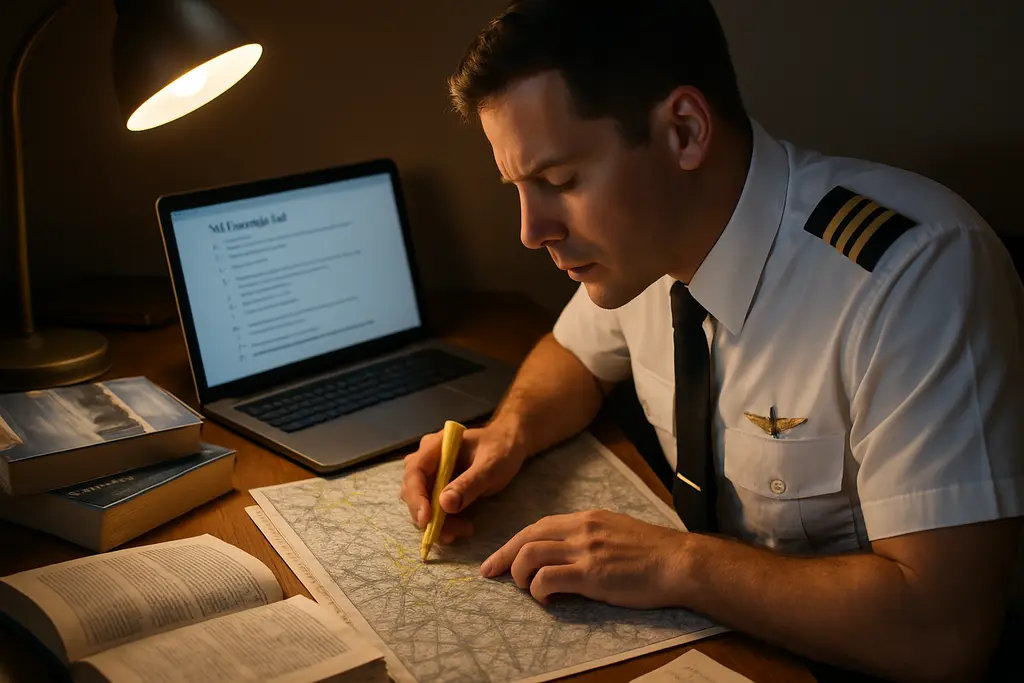
The first training area affected is preparation quality. Traditional ground lessons can explain traffic patterns, checklist flow, and airspace rules, but students still need repetition before those concepts become usable under stress. Digital simulators, immersive devices, and AI-assisted practice tools can create structured rehearsal before a student reaches the ramp. That does not remove the need for real aircraft time. It does help the student arrive with a stronger mental model of what the next lesson is supposed to accomplish.
Aviation Technology Advances And Instructor Workload
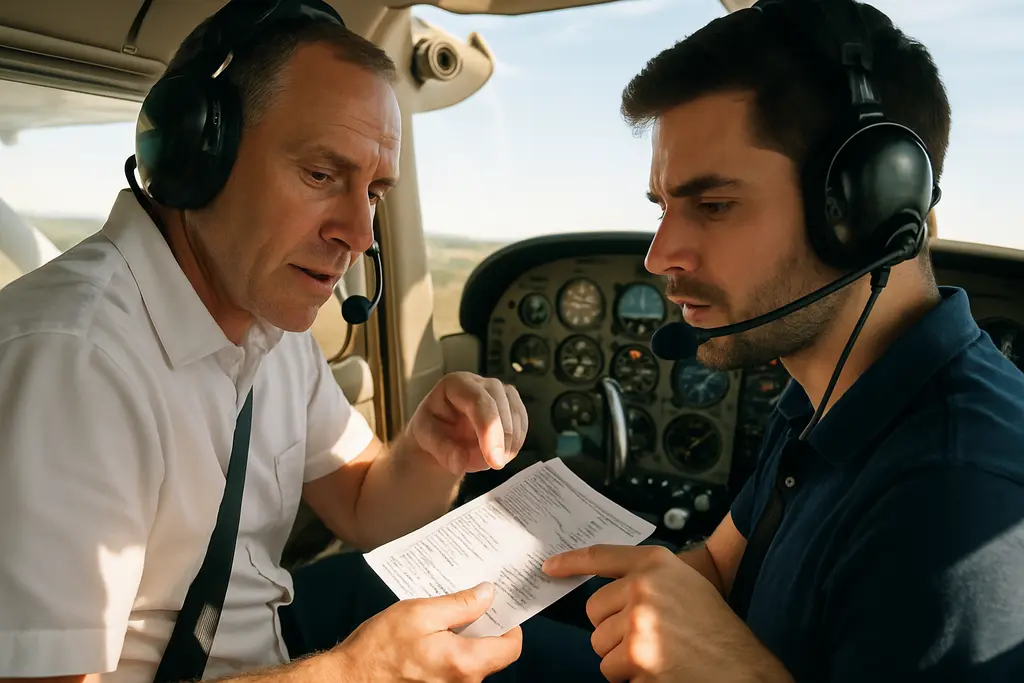
Instructors often spend the first lessons correcting basic task saturation: missed callouts, late checklist use, poor scan discipline, or weak radio anticipation. Aviation technology advances do not replace that teaching, but they can shift some of the repetition away from high-cost aircraft time. A student who has already practiced flows, call-and-response discipline, and cockpit orientation may give the instructor more room to teach judgment instead of repeatedly rebuilding the same foundation.
That shift also changes how schools should think about lesson planning. A simulator session works best when it is connected to a specific flight objective, not treated as a casual add-on. The useful question is simple: what behavior should improve on the next aircraft lesson? If the answer is radio timing, pre-takeoff flow, traffic pattern spacing, or basic instrument scan, the simulator event should be built around that target and debriefed against that target.
Why The Airplane Still Sets The Standard
Technology can prepare, measure, and reinforce. The airplane still verifies. Wind, vibration, aircraft trim feel, traffic movement, and the human pressure of a real airport environment remain essential parts of pilot formation. The healthiest training model treats digital practice as a bridge to better aircraft performance rather than a substitute for airmanship. A student who sees the simulator as rehearsal usually gains more than one who sees it as a shortcut.
Simulator Fidelity Is Moving Beyond Aircraft Handling
For years, simulator value was often judged by how closely the device reproduced aircraft control response. That still matters, but the newer training discussion is wider. The cockpit is not the only training environment. Pilots also operate inside a communication system, a traffic system, and an airspace system. Training that leaves out air traffic control interaction can produce students who can fly a maneuver but freeze when the radio becomes busy.
Confirmed: In early 2026, the FAA ran Phase II-A and Phase II-B studies with Alaska Airlines pilots using full-flight simulators updated with Simulated Air Traffic Control Environment capability, according to the FAA SATCE project page. That detail matters because it points to a more complete simulator event. Instead of practicing only aircraft control, crews can practice the timing, workload, and coordination that happen when ATC instructions arrive during a high-demand phase of flight.
For primary students, this idea has a direct lesson. Radio work should not be treated as a separate skill that begins after the airplane is stable. It is part of the flight task. For airline-bound pilots, the implication is even sharper: flight path management, crew coordination, and external communication are tied together. A simulator that can stress those connections gives instructors a better view of how a pilot manages the full operating picture.
Scenario Design Matters More Than Screen Size
A large display or headset can impress a student on the first day, but training value depends on the scenario. A weak scenario with expensive hardware is still weak training. A strong scenario asks the student to brief, act, communicate, and then explain the decision path afterward. That is where technology becomes useful for instructors: it creates repeatable conditions, records performance, and allows the same event to be adjusted for the next student.
Flight schools that are evaluating new devices should ask whether the system supports instructor-controlled scenarios, useful debrief data, and a clear connection to the syllabus. For readers comparing adoption methods, our discussion of training technology best practices explains why staged rollout and instructor preparation are just as important as the device itself.
AI Pre-Training And Measurable Student Progress
AI-assisted pre-training is one of the most interesting developments because it focuses on what happens before a student reaches an airplane lesson. Confirmed: A study involving 37 student pilots found that guided AI-based simulator pre-training reduced required flight and ground hours and shortened the calendar days needed to complete the pre-solo training block, as reported in the Journal of Aviation/Aerospace Education & Research study. That does not mean every AI training product will produce the same result. It does show that structured pre-training can affect measurable training outcomes.
The key word is guided. Unguided practice can build confidence without building skill. Students may repeat the wrong scan, skip checklist discipline, or rehearse a radio habit that later needs correction. Guided AI-based training has greater promise when it directs attention, gives feedback, and keeps practice aligned with instructor expectations. For the student, the value is repetition with feedback. For the school, the value is a clearer picture of who is ready for the next step and who needs targeted support.
Data Should Support, Not Replace, Instructor Judgment
Training data can identify patterns that are easy to miss during a busy lesson. It may show repeated delay in configuration, inconsistent altitude control, or checklist items that tend to be missed under workload. That information can sharpen the debrief. It should not become a rigid score that ignores context. A student may have a poor session because of fatigue, weak preparation, or an unclear briefing. The instructor still needs to interpret the data and decide what it means for safety and progress.
This is where schools need mature policies. Students should know what data is collected, how it is used, who can see it, and whether it affects stage checks. Clear rules build trust. They also keep technology from becoming a distraction in the training relationship. The goal is better coaching, not surveillance for its own sake.
Practical Choices For Flight Schools And Pilots

Buying a new training device is easier than building a training culture around it. A school that adds simulators or AI tools without updating lesson plans may see limited gains. The strongest use case starts with a syllabus review. Which lessons are delayed most often? Which maneuvers or procedures require the most re-teaching? Which weather or traffic conditions are hard to expose students to safely and consistently? Those answers should guide technology selection.
Students should use the same discipline. A home practice tool or school simulator is most valuable when tied to the next lesson. Before a session, the student should know the objective. After the session, the student should write down what improved, what remained weak, and what question needs to be brought to the instructor. That habit turns practice time into training time.
- For students: use simulator time to rehearse flows, callouts, radio timing, and decision points before aircraft lessons.
- For instructors: assign specific simulator tasks and debrief against observable behaviors rather than general impressions.
- For schools: connect digital tools to syllabus objectives, data policies, and stage-check standards.
There is also a resource question. Smaller schools may not be able to buy every new device, and they do not need to. A modest tool that instructors use consistently can outperform a costly device that sits idle. Readers who follow related training and resource projects across our publishing group may also recognize the site within our resource network.
Aviation Technology Advances In Pilot Training
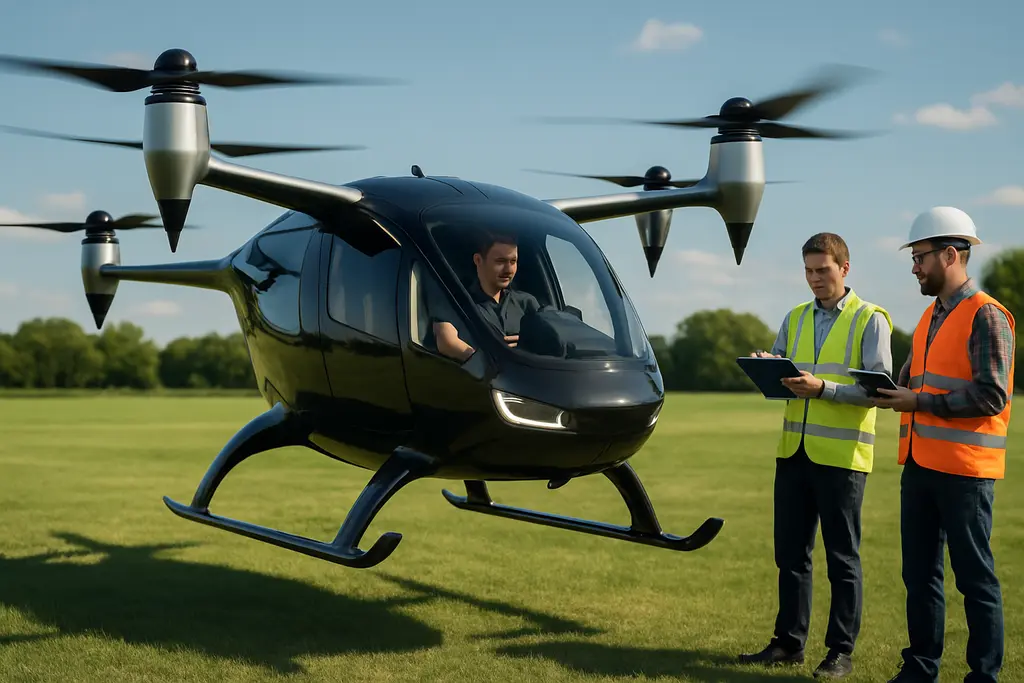
The practical value of aviation technology advances is strongest where training has always been hardest: repetition, feedback, workload, and judgment. Simulated ATC can make simulator sessions feel closer to real operations. AI pre-training can help students enter aircraft lessons better prepared. Digital records can help instructors find patterns and coach with more precision. None of that changes the central responsibility of pilot training, which is to produce safe, adaptable aviators who can think clearly in motion.
The future of pilot training will likely be less about choosing between aircraft and technology, and more about assigning each one the right job. The airplane teaches feel, weather, traffic reality, and consequence. The simulator teaches repetition, structured exposure, and controlled failure. AI can support preparation and feedback. The instructor connects all of it into judgment. That balance is where aviation technology advances can serve the modern pilot without weakening the fundamentals that aviation still depends on.