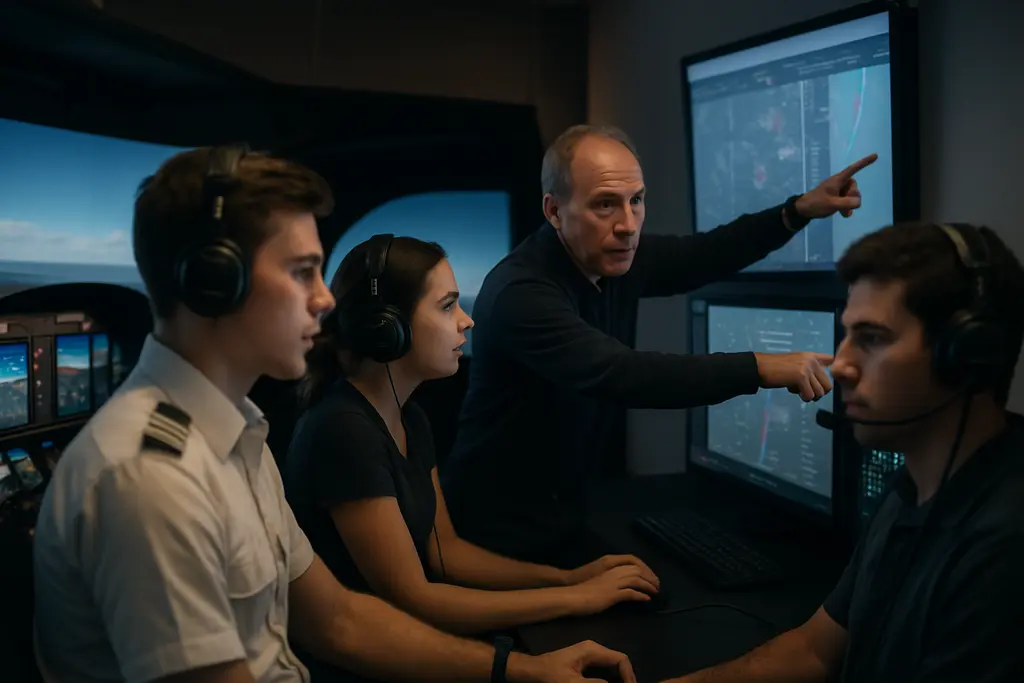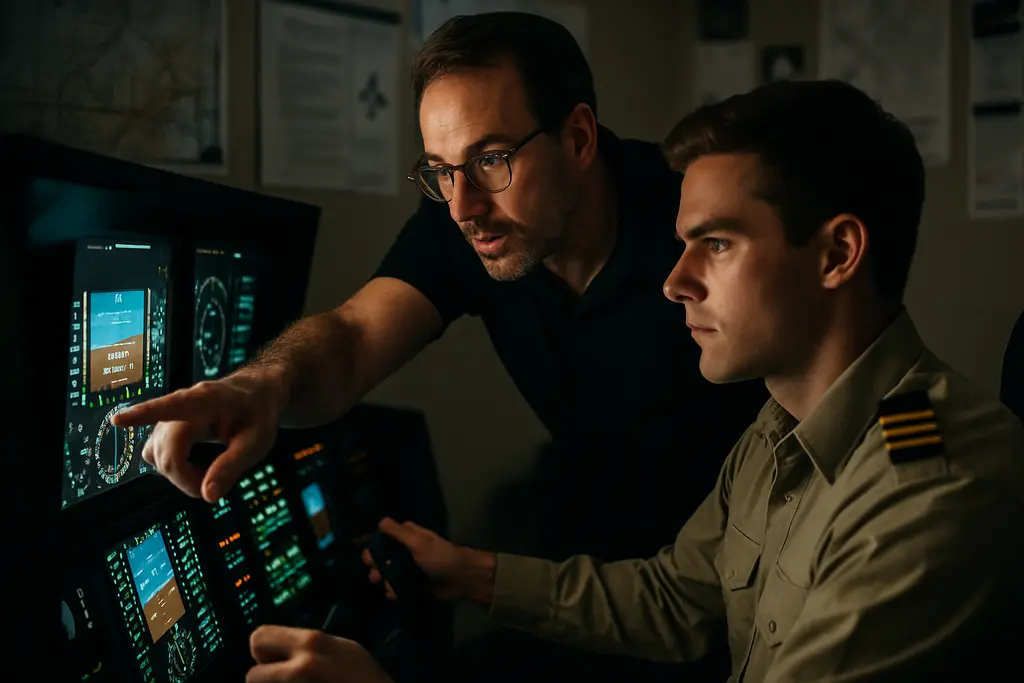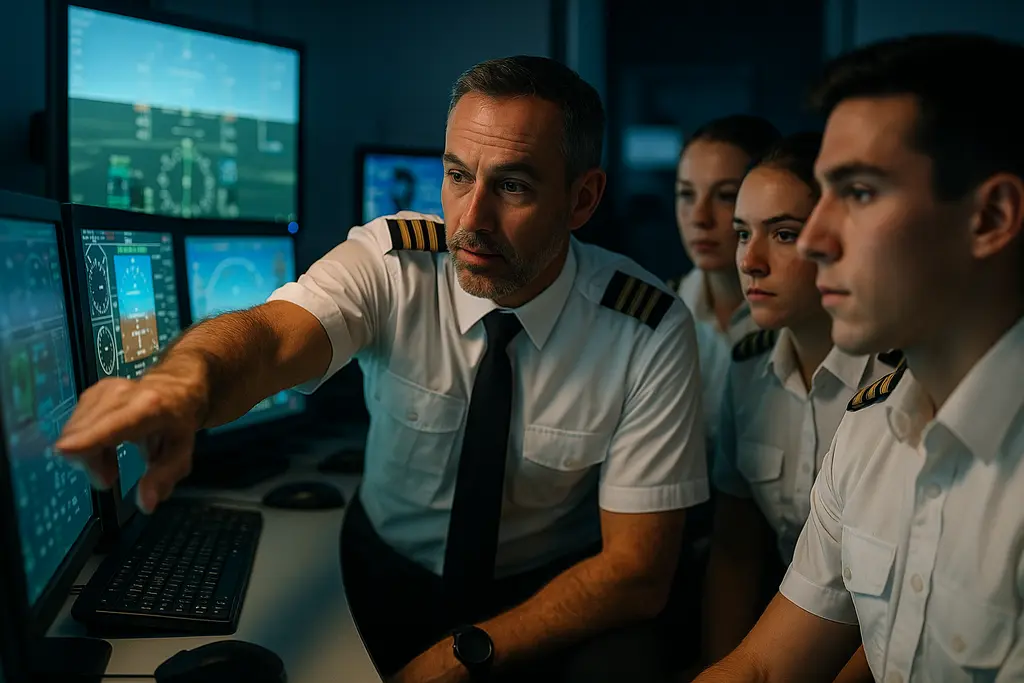
Confirmed: pilot training technology now sits at the center of a practical shift in flight education: training organizations are moving from task completion toward Competency-Based Training and Assessment, commonly called CBTA. The research available for this topic points to Airbus, Boeing, airline operators, and regulators treating technology as useful only when it helps instructors observe, measure, and remediate pilot competencies. As Heath Lockwood would frame it for a training department, the tool is not the standard. The competency is the standard, and the tool must help the instructor see whether the pilot can apply knowledge, skill, and judgment under operational pressure.
Market-Analysis: The strongest CBTA programs do not replace instructor judgment with a dashboard. They use digital practice, simulator records, analytics, and scenario design to make instructor judgment more consistent. That distinction matters because the research also identifies implementation risks: inconsistent instructor assessment and weak use of training data can leave competency gaps unresolved. A flight school, airline academy, or recurrent training center should treat the technology stack as part of the training system, not as an isolated purchase.
Pilot Training Technology Within CBTA
Pilot Training Technology As A Training Aid
Reviewed: In a CBTA model, the training question changes. Instead of asking whether a student completed a maneuver or procedure once, the instructor asks whether the pilot can demonstrate a defined competency across changing situations. That shift changes how devices should be selected. A virtual cockpit trainer, simulator scenario, learning platform, or analytics tool has value when it gives the instructor better evidence about performance.
Opinion: The best use of pilot training technology is targeted and restrained. It should prepare students before they enter expensive training events, capture observations during practice, and help instructors assign focused remediation afterward. If a device encourages passive screen time or reduces instructor interaction, it can weaken the very competency model it is meant to support.
Competency First, Device Second
Market-Analysis: A competency-first approach starts with the outcome: leadership and teamwork, technical execution, situational decision-making, communication, or another defined behavior in the training program. The device is then matched to the outcome. Procedure rehearsal may fit one tool, scenario-based decision practice another, and assessment standardization another. For related reading on practical rollout decisions, see this discussion of training technology best practices.
Reviewed: The research also notes work on digital competency in aviation training, including technical skills, critical evaluation, ethical practice, and adaptive expertise. The supported takeaway is clear: digital skill is not only the ability to operate a device. It includes knowing how to judge information, respond to changing inputs, and use technology without surrendering pilot judgment.
What Airbus And Boeing Changed
Confirmed Airbus Curriculum Revision
Confirmed: The supplied research states that Airbus completed a revision of its pilot curriculum in February 2026 to align with ICAO CBTA standards, with attention to nine core competencies including leadership and teamwork. Airbus describes the connection between digital tools and human competency in its own aviation training article. For instructors, the key point is not that a large manufacturer changed course; it is that the manufacturer framed technology as a bridge to competency, not a substitute for human performance assessment.
Market-Analysis: That framing should influence smaller operators as well. A school does not need the scale of a major manufacturer to adopt the same logic. It can define the competency, select the training event, brief the instructor on observable behaviors, and record evidence in a way that supports the next lesson. This is how CBTA becomes a daily teaching practice rather than a policy binder.
Confirmed Boeing Adoption
Confirmed: The Boeing-related research states that by April 2026, Boeing had integrated CBTA into training programs with more than 70 airlines, maintenance, repair, and overhaul organizations, and flight schools. It also links the model to human factors, which the cited report describes as involved in 70-80% of aviation accidents; see the Boeing CBTA report. The practical implication is that training technology should help instructors assess behaviors tied to human factors, not only aircraft handling.
Opinion: A good CBTA lesson plan should make human performance visible. If the student is managing workload poorly, missing communication cues, or failing to adapt after a change in scenario conditions, the instructor needs a way to record that evidence and return to it. That is where structured observations, simulator debrief data, and consistent grading language can strengthen training quality.
Instructor Standards And Evidence
Assessor Consistency
Reviewed: One of the stated challenges in CBTA implementation is consistent instructor assessment. This challenge is easy to underestimate. Two instructors can watch the same simulator event and disagree on whether the pilot showed sound workload management unless the school has common standards, clear behavioral markers, and calibration sessions.
Opinion: Training managers should brief instructors before introducing new software or devices. The briefing should answer three questions: what competency is being observed, what evidence counts, and what level of performance is expected at this stage of training. Without those answers, pilot training technology can generate records that look useful but do not support fair assessment.
Training Records That Support Remediation
Market-Analysis: Useful training data should shorten the path from observation to correction. If a student repeatedly struggles with glide path control, checklist discipline, or crew communication in scenario practice, the training record should help the instructor assign the next exercise with purpose. The research describes CBTA as a data-driven method connected to real-world scenarios and Safety Management Systems, which supports the idea that training records should identify risk patterns rather than simply store pass-fail outcomes.
- Confirmed: CBTA focuses on defined competencies rather than a purely task-based checklist.
- Reviewed: Data analytics can help identify competency gaps when the training organization knows what it wants to measure.
- Opinion: Instructor calibration is the safeguard that keeps digital records fair and useful.
Data, Simulation, And Digital Judgment

Scenario Design Before Analytics
Opinion: Analytics cannot repair a weak scenario. The instructor must first design a training event that reveals the competency being assessed. For example, a scenario intended to assess teamwork should create a need for communication and shared decision-making. A scenario intended to assess automation management should include a realistic point where the pilot must monitor, verify, and adapt.
Reviewed: The research notes increased use of extended reality technologies, including virtual reality, to support instructors and assessors. That support is valuable when the scenario is controlled enough to compare performance and realistic enough to demand pilot judgment. It is less valuable if the experience becomes a novelty with no clear assessment purpose.
Digital Competence Is A Pilot Skill
Market-Analysis: Modern cockpit training requires digital judgment. Students must learn to use electronic information without becoming passive recipients of it. That means checking whether information is relevant, questioning automation behavior, and recognizing when manual flying or a simpler procedure is the safer training response. In that context, pilot training technology should reinforce disciplined thinking, not encourage dependence.
Reviewed: The supplied research describes a framework for digital competencies that includes technical skill, critical evaluation, ethical practice, and adaptive expertise. Those categories align well with CBTA because they can be observed through pilot behavior. A student who can operate a system but cannot evaluate its output has not demonstrated enough competence for real operational judgment.
Pilot Training Technology Best Practices
Build A Practical Adoption Sequence
Opinion: Training organizations should adopt pilot training technology in stages. First, define the competency target. Second, train instructors on the assessment language. Third, introduce the device or software in a limited training event. Fourth, compare instructor observations for consistency. Fifth, adjust scenarios and records before expanding the program. This sequence keeps attention on pilot development instead of the purchase itself.
Market-Analysis: For schools and operators that publish educational material across broader learning networks, related sites like Noir Whale emphasize the importance of providing clear editorial context. Technical resources function best when users understand their purpose, limitations, and appropriate application. Aviation training should follow the same principles, ensuring every digital tool is applied with guidance and relevance to the training objectives.
Keep The Instructor At The Center
Opinion: The practical test for any CBTA technology is simple: does it help the instructor teach, assess, and remediate better than before? If the answer is yes, the tool belongs in the program. If the answer is unclear, the organization should pause and refine the competency map, scenario design, or instructor standardization process. The supported direction from the research is not technology for its own sake. It is competency-based pilot education strengthened by evidence, human assessment, and disciplined use of digital tools.