Stepping onto the tarmac for your first flight lesson is a profound moment for any aspiring aviator. Most flight schools structure this initial experience—often called a discovery flight—to demonstrate the basic principles of aerodynamics without overwhelming a new student. Anticipation runs high, and anxiety frequently accompanies the excitement. You spend about an hour on the ground and another hour in the air. The instructor’s primary goal is to prove that flying a small aircraft is a manageable, highly procedural skill. Planning your long-term training goals early helps reduce stress. If you are already thinking about how to build flight hours efficiently as a student pilot, paying close attention during this first session sets a solid foundation for your entire syllabus.
The Preflight Briefing And Aircraft Inspection
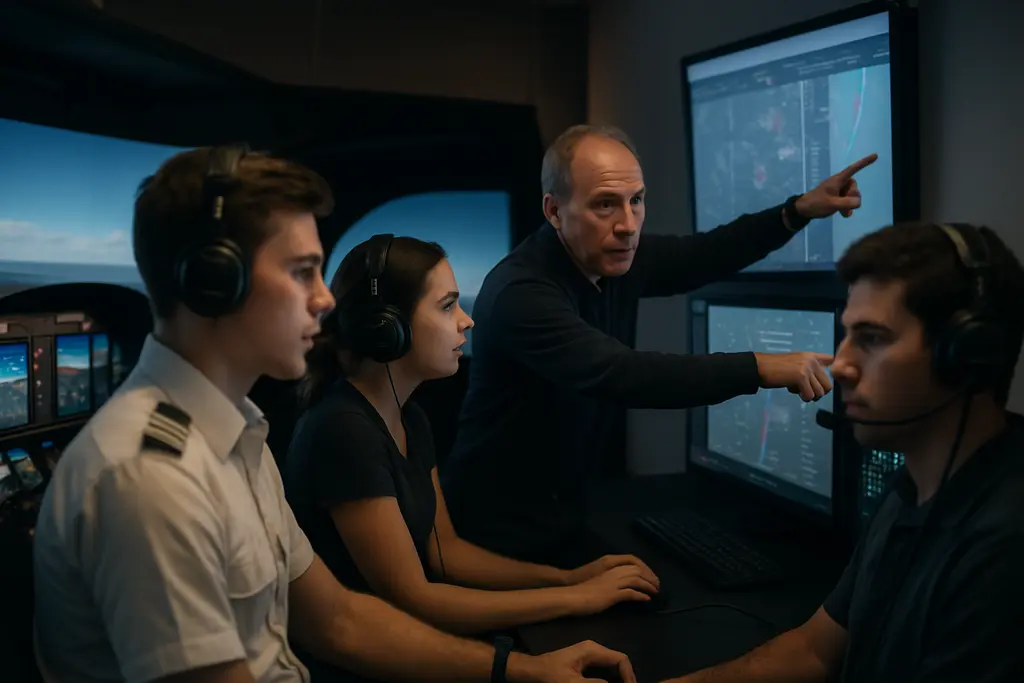
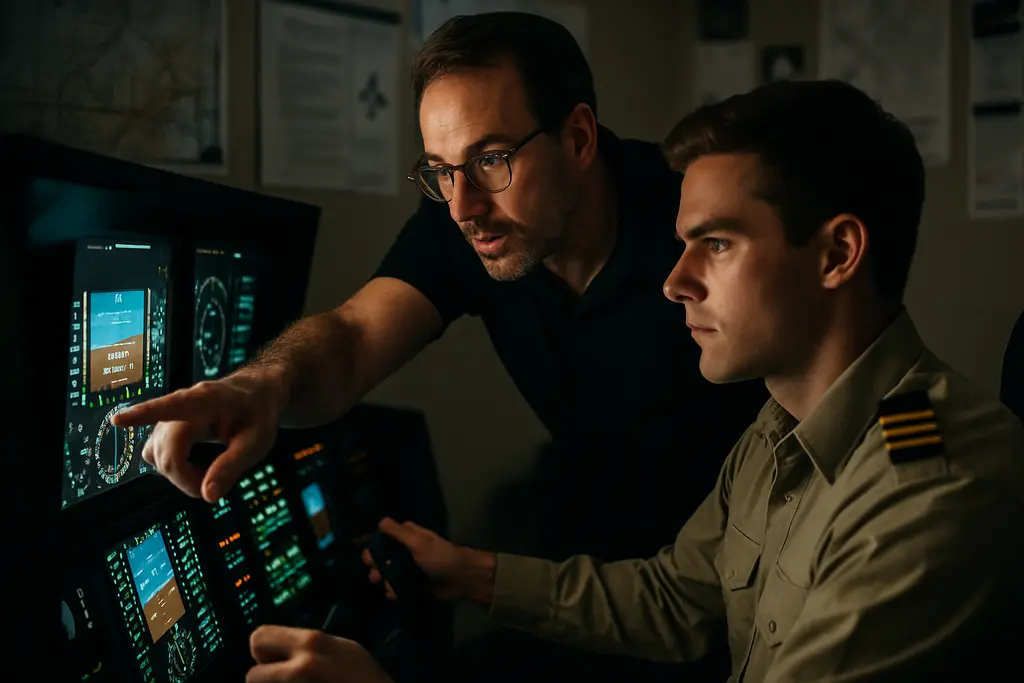
The lesson begins in the briefing room, not the cockpit. Your Certified Flight Instructor (CFI) will review the current weather conditions, airspace restrictions, and the planned route for the day. This ground discussion establishes a safety-first mindset. After the briefing, you head out to the ramp to conduct a physical inspection of the trainer aircraft. You will check fuel levels, verify the structural integrity of the flight control surfaces, and test the avionics. Aviation relies heavily on standardized checklists to prevent errors. You can review the basic components of an aircraft and preflight procedures through the official FAA Airplane Flying Handbook before you arrive at the airport. Familiarizing yourself with these terms reduces the steep learning curve.
Taking The Controls In The Air
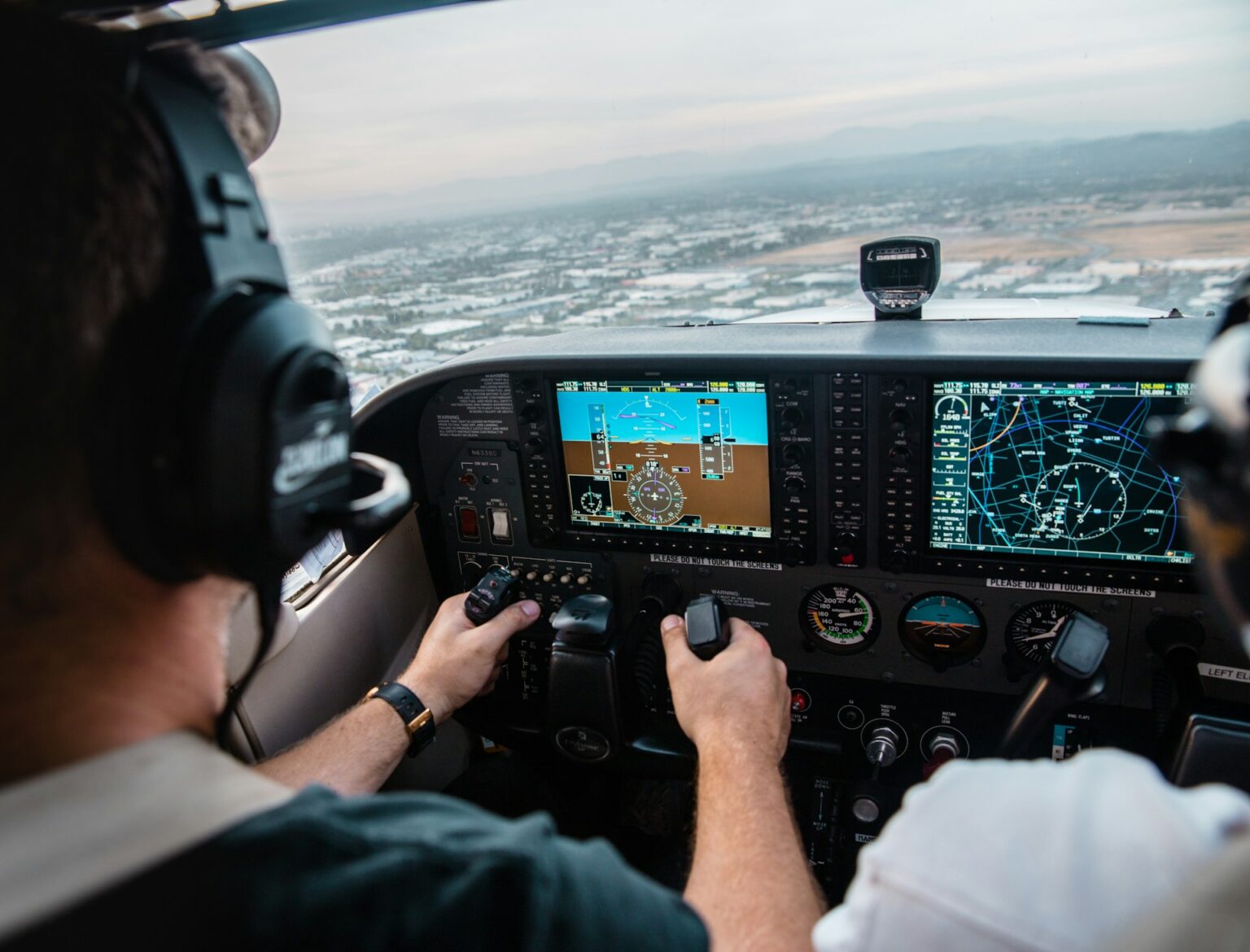
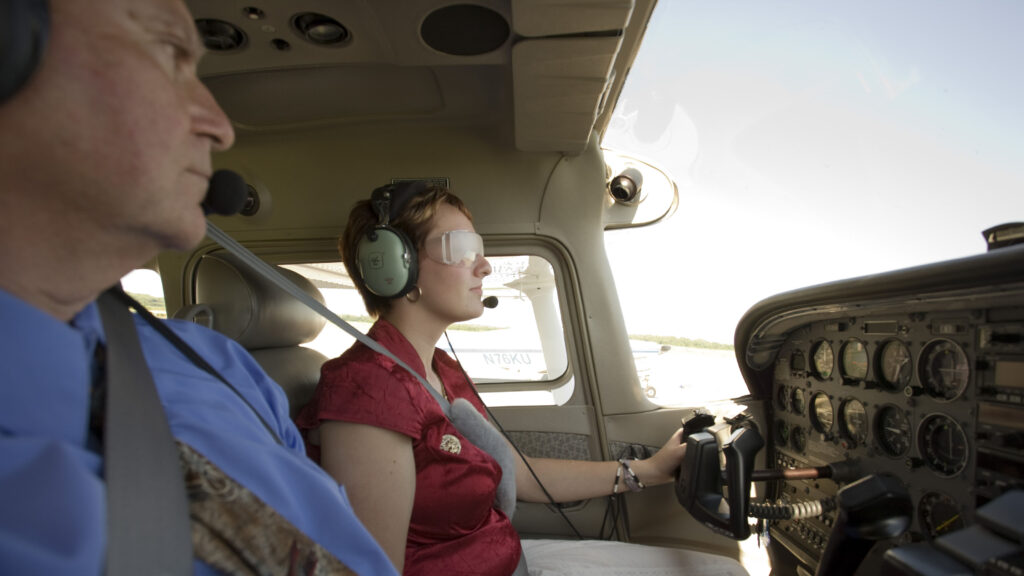
Once securely strapped into the left seat, you experience the startling noise and vibration of a piston engine starting up. The instructor handles radio communications and taxis the aircraft to the active runway. Once airborne and clear of the immediate traffic pattern, the instructor hands the flight controls over to you. You practice basic four-fundamental maneuvers: straight and level flight, shallow turns, climbs, and descents. The controls often feel much more sensitive than new students expect. The instructor guards the dual controls closely, guaranteeing safety at all times. Experiencing this physical sensation confirms whether you truly want to pursue the lifestyle of general aviation pilots. It transforms theoretical concepts from textbooks into physical reactions.
Typical First Flight Timeline
| Lesson Phase | Average Duration | Student Responsibility |
| Ground Briefing | 20 – 30 Minutes | Listen, ask questions, review the route. |
| Preflight Inspection | 15 – 20 Minutes | Follow the checklist, physically inspect the airframe. |
| Flight Time | 45 – 60 Minutes | Take the controls, practice basic maneuvers. |
| Post-Flight Debrief | 15 Minutes | Review performance, log the flight time. |
Post-Flight Debriefing And Logging Your Time
The lesson concludes with a smooth landing, usually executed by the instructor, followed by a debriefing session back in the flight school office. The CFI reviews the flight, highlighting areas where you performed well and explaining why the aircraft reacted the way it did to your control inputs. This honest assessment helps you process the sensory overload of the flight deck. At this point, you fill out your logbook for the very first time. That introductory flight legally counts toward the minimum requirements for a private pilot certificate.
If you decide to continue your training, you need to apply for an aviation medical certificate. You can locate a local aviation medical examiner via the FAA MedXPress system to confirm you meet the physical standards before spending thousands of dollars on subsequent lessons. Building a habit of thorough debriefing directly contributes to your eventual first solo flight success. You walk away from the airport with official flight time logged and a clear roadmap for your aviation future.