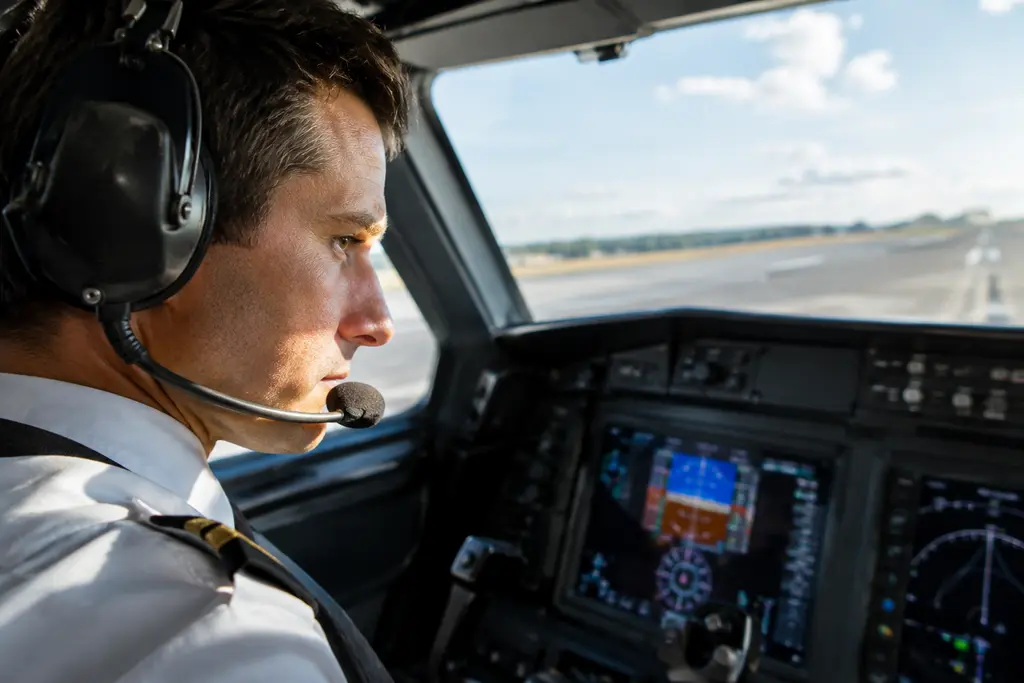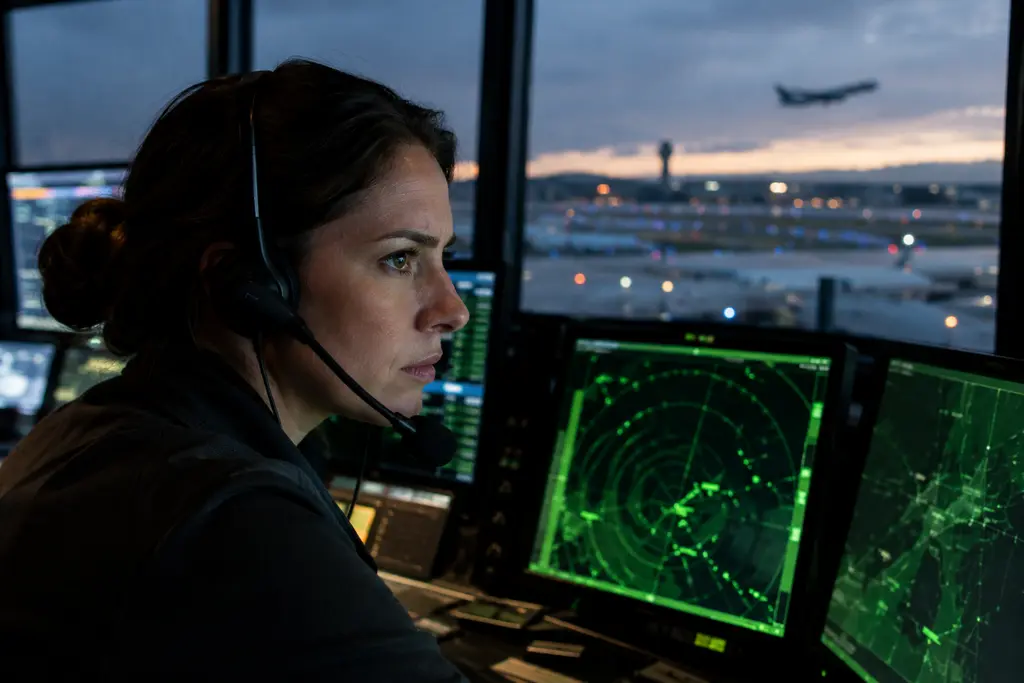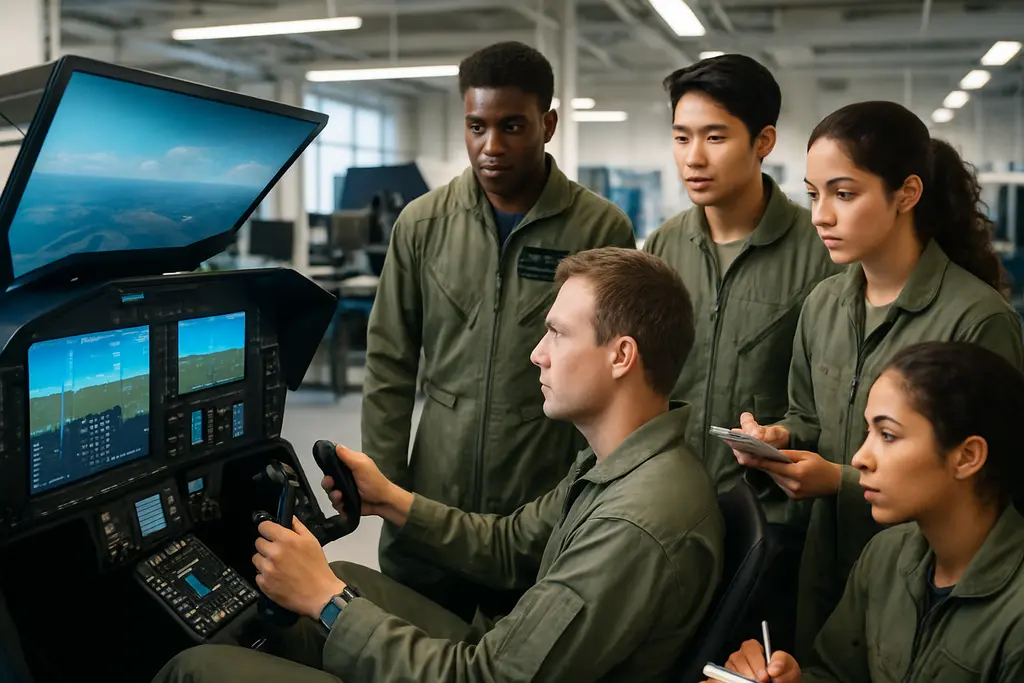
Modern Pilot Training is entering a practical new phase as air taxis, powered-lift aircraft, and quiet-supersonic research programs move from concept work into rulemaking, certification support, and flight-test operations. For pilots, the main change is not a single new cockpit display or faster aircraft. The larger shift is that training now has to address aircraft that do not fit neatly into legacy airplane or helicopter habits. Powered-lift vehicles may hover, transition, and fly wing-borne segments in one trip. Supersonic aircraft may demand simulator rehearsal for cockpit layouts, pitch response, high-altitude profiles, and noise-sensitive operating concepts. The result is a training model that depends more heavily on category-specific ratings, type-specific instruction, approved simulation, and instructor pipelines built around new aircraft designs.
Modern Pilot Training For New Aircraft Types
Modern Pilot Training Starts With Category Clarity
The confirmed regulatory change for air taxis came on November 21, 2024, when the FAA issued its final rule for Special Federal Aviation Regulation Part 194 covering powered-lift pilot certification, training, and operations requirements. The rule recognized that powered-lift aircraft are not fully addressed by existing airplane or helicopter regulations, which matters because many air taxi designs combine vertical-lift behavior with airplane-like cruise. The final rule appears in the Federal Register rule.
That distinction has direct training value. A pilot moving from a helicopter background may understand vertical flight and hover cues but still need structured work on wing-borne cruise and transition logic. A pilot from an airplane background may have strong instrument, energy-management, and route-operation habits but need a formal path into vertical-lift handling and aircraft-specific automation. Modern Pilot Training, in this setting, becomes less about adding a short differences course and more about proving competency in each phase of flight the aircraft can perform.
Why Type Ratings Matter For Air Taxi Crews
The FAA’s powered-lift framework allows certificates at ATP, commercial, or private pilot levels with powered-lift ratings, and it provides for instrument and instructor ratings specific to powered-lift. The FAA also states that powered-lift aircraft will require individual type ratings, a significant point for operators because it ties pilot qualification to a specific aircraft rather than a broad generic class. The agency’s powered-lift FAQ confirms these certification paths and type-rating expectations.
For working pilots, Modern Pilot Training will likely feel closer to a transport-aircraft qualification model than to a casual transition into a new light-aircraft category. Market-analysis: air taxi operators will need training programs that show regulators, insurers, and customers that crews can manage vertical departure, transition, cruise, approach, and abnormal procedures in a repeatable way. That does not mean every powered-lift aircraft will train the same way. It means each aircraft’s training plan must match its control system, automation philosophy, and operational limits.
Powered-Lift Rules Change The Training Model
Single Controls And Simulator Substitution
Powered-lift training raises a practical problem: some aircraft may not have conventional dual controls in the same way a training helicopter or airplane does. The FAA has allowed pathways in which aircraft use single flight controls accessible to both student and instructor, or where simulators support initial solo experience when feasible. Confirmed: this flexibility exists because powered-lift designs vary, and training rules must account for designs that do not mirror familiar training aircraft.
That flexibility does not reduce the burden on training providers. It shifts the burden toward validation. If a simulator is used to support early solo readiness, the simulator must be credible enough for the tasks assigned to it. If a single-control cockpit is used, the instructor’s intervention strategy must be clear before the aircraft leaves the ground. For pilots, this means briefings, callouts, transfer-of-control procedures, and abnormal drills may become more formal than they are in many entry-level aircraft transitions.
The First Instructor Cadre
The FAA has indicated that early powered-lift instructors will initially come from manufacturer test pilots and pilots already involved in certification or training activity. Those instructors are expected to help train others at FAA-recognized pilot schools, training centers, and Part 135 operators. Confirmed: this creates a staged instructor pipeline rather than an immediate open market of experienced powered-lift teachers.
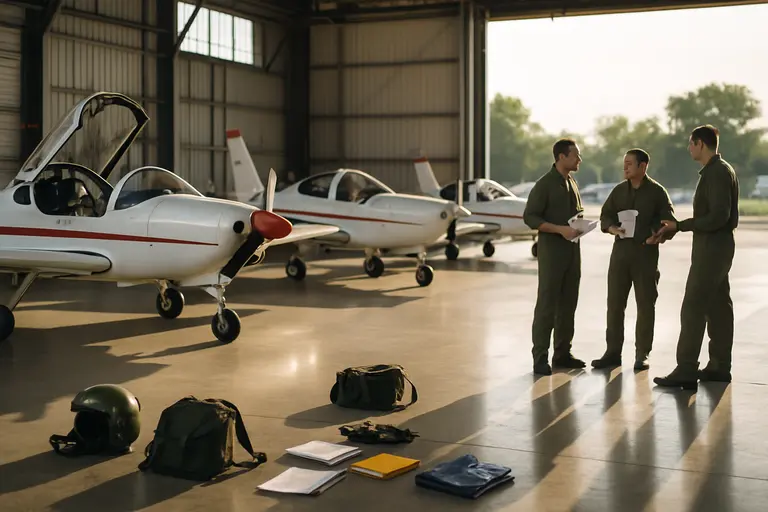
That matters for flight schools and operators planning staffing. An airplane or rotorcraft instructor cannot simply assume that existing credentials will transfer into powered-lift teaching without aircraft-specific preparation. Schools may need to plan around limited instructor availability, simulator access, and phased approvals. For pilots considering this area, the most useful preparation remains strong instrument discipline, automation awareness, and comfort with scenario-based training. Related reading on aviation technology advances shows why simulator-supported instruction is becoming a larger part of professional pilot development.
Supersonic Aircraft Push Simulator Discipline
Lessons From The X-59 Program
Supersonic training has a different status from powered-lift air taxi training. The powered-lift rule is a certification and operations framework for a new aircraft category. The supersonic facts in the research notes come from experimental and proposed-rule activity. On June 5, 2026, NASA’s X-59 exceeded Mach 1, reaching Mach 1.1 at about 43,400 feet. On June 12, 2026, it reached Mach 1.4 at 55,000 feet. Those flights were tied to research on producing a quieter sonic thump rather than a disruptive boom.
Modern Pilot Training can draw a clear lesson from those test flights even though airline-style civil supersonic operations have not been established in the research record provided here. Test pilots prepared with high-fidelity simulators matched to the X-59 cockpit, including its external vision system in place of a forward windshield. The training emphasis included aircraft familiarization, mission rehearsal, and handling qualities such as pitch sensitivity. For any future civil supersonic program, the transferable point is that cockpit-specific simulation is not a luxury. It is central to building safe habits before pilots see the real aircraft response at speed and altitude.
Proposed Noise-Based Certification
On June 30, 2026, the FAA Administrator announced proposed rulemaking to replace the long-standing U.S. ban on civil supersonic flight over land with a noise-based certification standard. As of October 1, 2026, that point should be treated as proposed rulemaking, not a completed operating permission for routine civil supersonic flights over land. Training managers should avoid building assumptions around routes or airline service until final rules, certification data, and approved operating procedures exist.
The training implication is still useful. If future supersonic aircraft are certified around noise outcomes, pilots may need to understand climb profiles, acceleration points, altitude windows, and community-noise constraints with more precision than traditional cruise-speed training requires. That would put supersonic pilot preparation at the intersection of aircraft handling, environmental certification, and standard operating procedure design.
Infrastructure And Instructor Capacity
Simulation Becomes A Gatekeeper
The research notes point to a broader training infrastructure issue in 2026: regulators and training organizations are working to match simulator capability with new aircraft tasks. This is especially relevant for eVTOL and powered-lift aircraft because their flight regimes include hover, transition, and wing-borne cruise. A simulator that is useful for checklist flow may not be enough for transition handling. A device that supports instrument procedures may still need design-specific modeling before it can support abnormal vertical-lift scenarios.
For pilots, this affects how training time should be judged. More simulator hours are not automatically better. The key question is whether the device supports the task being trained. If the task is vertical takeoff decision-making, the simulator must represent the cues and failure modes relevant to that decision. If the task is high-altitude supersonic mission rehearsal, the simulator must match cockpit layout, visual system behavior, and aircraft response closely enough to build correct expectations.
Practical Planning For Pilots And Schools
Training providers can prepare for these aircraft without guessing about unapproved operations. The supported steps are grounded in existing regulatory direction and known test-program lessons:
- Track powered-lift category and type-rating requirements before advertising air taxi career pathways.
- Build instructor development plans around manufacturer experience, certification activity, and approved training center capacity.
- Use simulators for clearly defined tasks, not as a generic substitute for aircraft knowledge.
- Separate confirmed rules from proposed supersonic policy so students understand what is approved and what remains under review.
Students should ask direct questions before committing to a program: Which powered-lift certificate or rating is the course designed to support? Is the simulator approved for the tasks being credited? Who trained the instructors? Which operating rules apply to the intended job path? These questions protect both safety and career planning.
Air Taxis And Supersonic Aircraft Training
The common thread between air taxis and supersonic aircraft is that both push pilot preparation beyond broad category habits. Powered-lift aircraft require legal category recognition, type ratings, and a careful instructor pipeline. Supersonic programs show the value of high-fidelity mission rehearsal, cockpit-specific systems training, and disciplined treatment of proposed rules. Modern Pilot Training is therefore becoming more evidence-based, more aircraft-specific, and more dependent on validated simulation than many pilots experienced during earlier phases of aviation training.
For readers interested in how different platforms in the same publishing network tackle diverse topics, TrueRealTV provides coverage on culture and entertainment, distinctly separating itself while this site remains dedicated to pilot training and aviation operations. The aviation takeaway is direct: pilots who want to work around air taxis or future high-speed aircraft should build strong fundamentals first, then treat every new rating, simulator session, and type-specific procedure as part of a safety case rather than a résumé line.