eVTOL Pilot Training moved from concept planning into a rule-driven phase after the FAA announced its powered-lift final rule on October 22, 2024, and the eVTOL Integration Pilot Program was announced on March 9–10, 2026. For students, instructors, training centers, and Part 135 operators, the change is not simply about adding a new aircraft shape to the syllabus. It creates a certification path around powered-lift aircraft, type-specific skills, simulator use, and operating experience gathered from real projects across cargo, passenger, medical response, and autonomy use cases.
Why eVTOL Pilot Training Now Has A Rulebook
Confirmed FAA Baseline
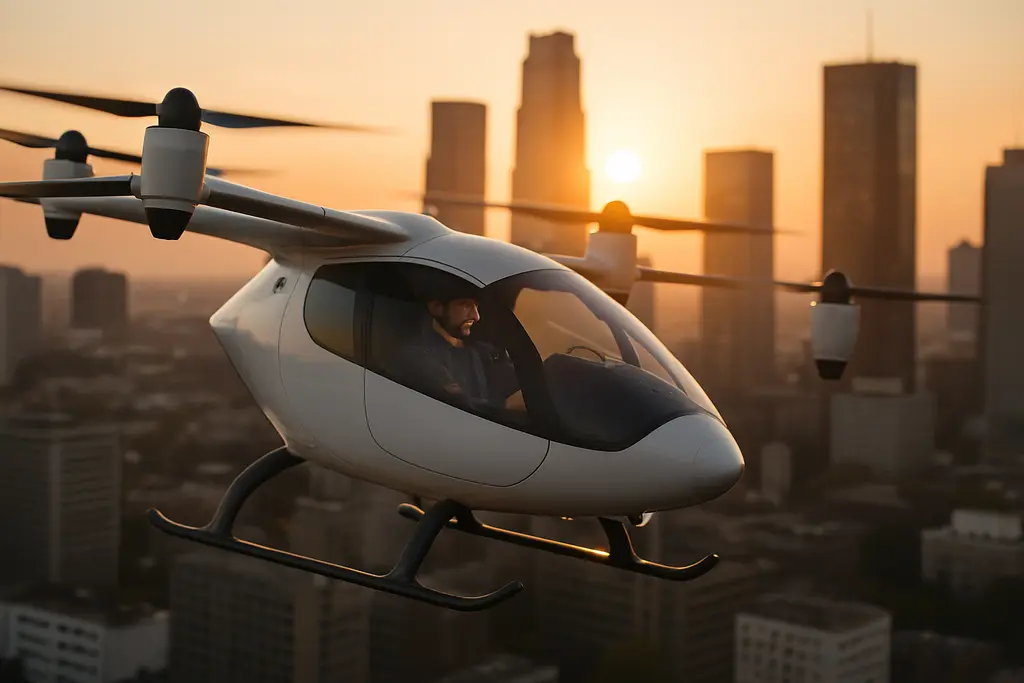
The central change came from the FAA’s powered-lift final rule, which established pilot qualifications and training standards for aircraft that do not fit neatly into traditional airplane or rotorcraft categories. The FAA described the rule as part of the integration of powered-lift pilot certification and operations, including related amendments for rotorcraft and airplanes, in its official powered-lift final rule. That rule matters because most eVTOL aircraft are expected to fall under the powered-lift framework, meaning training providers cannot treat them as ordinary multiengine airplanes or helicopters with electric propulsion attached.
The FAA also adopted Special Federal Aviation Regulation No. 120, known as SFAR 120, to create an alternate framework for powered-lift pilot and instructor certification and operations. This gave the industry a way to start building training pathways while powered-lift designs continued through certification work. The practical effect is that flight schools and operators now have defined subjects to plan around: aeronautical experience, instructor qualification, simulator credit, operating experience, and aircraft-specific type ratings.
Why A Transitional Rule Was Needed
Powered-lift aircraft create a training challenge because the aircraft may combine vertical takeoff, wingborne flight, high automation, and flight-control logic that does not match legacy habits from either helicopters or airplanes. The research record supporting the rule shows that the FAA did not create broad powered-lift class ratings. Instead, the agency treated each powered-lift design as unique enough to require type-specific qualification. That approach pushes training toward aircraft model familiarity rather than a generic checkout.
For aviation enthusiasts keen on public-interest projects, there’s a valuable resource within the same network at Biff Award, which provides insights on how specialized programs convey standards to wider audiences.
Type Ratings Replace Broad Category Assumptions
What eVTOL Pilot Training Must Prove
All pilots acting as pilot in command of a powered-lift aircraft must hold a type rating specific to that aircraft. The Federal Register rule text states that no class ratings were established because each powered-lift design is considered unique, and it also sets alternate aeronautical experience provisions for pilots using the SFAR pathway Federal Register rule text. For eVTOL Pilot Training, that shifts the benchmark from broad category knowledge to aircraft-specific command competence.
The alternate commercial pilot pathway reduced required powered-lift PIC flight time from 50 hours to 35 hours, with up to 15 of those hours allowed in a Level C or higher full flight simulator. That simulator allowance is significant, but it does not make the standard easier in a casual sense. It means approved simulation can carry real weight when the training device matches the aircraft’s systems, flight modes, cockpit cues, abnormal procedures, and automation behavior closely enough for certification purposes.
Part 135 Operating Experience
For Part 135 operations, the rule requires at least 20 hours of operating experience in each make and basic model of powered-lift for pilots serving as PIC. This requirement links commercial service readiness to the specific aircraft a pilot will operate. A pilot with strong airplane or helicopter experience still needs operating experience in the make and model used by the operator.
That is a critical point for career planning. A future powered-lift PIC may need to budget time not only for certificates and ratings, but also for operator-specific experience in a certified aircraft. The training pipeline therefore becomes less about rushing to a minimum hour number and more about proving skill in a defined aircraft system. This is similar in spirit to type-rated airline training, but applied to aircraft that may use different control logic and automation priorities than a conventional jet.
How eIPP Data Changes Training Design
Human Factors And Simulation
The eVTOL Integration Pilot Program, announced on March 9–10, 2026, selected eight projects across 26 states. The program was designed to test operational concepts in cargo, passenger transport, medical response, and autonomy. Its training value comes from the data produced during real operations and Human-in-the-Loop simulations, including work tied to complex airport environments such as Orlando International and Los Angeles. Those simulations help regulators and industry teams study how powered-lift aircraft share airspace with existing traffic, how pilots manage automation, and where instructor experience standards may need refinement.
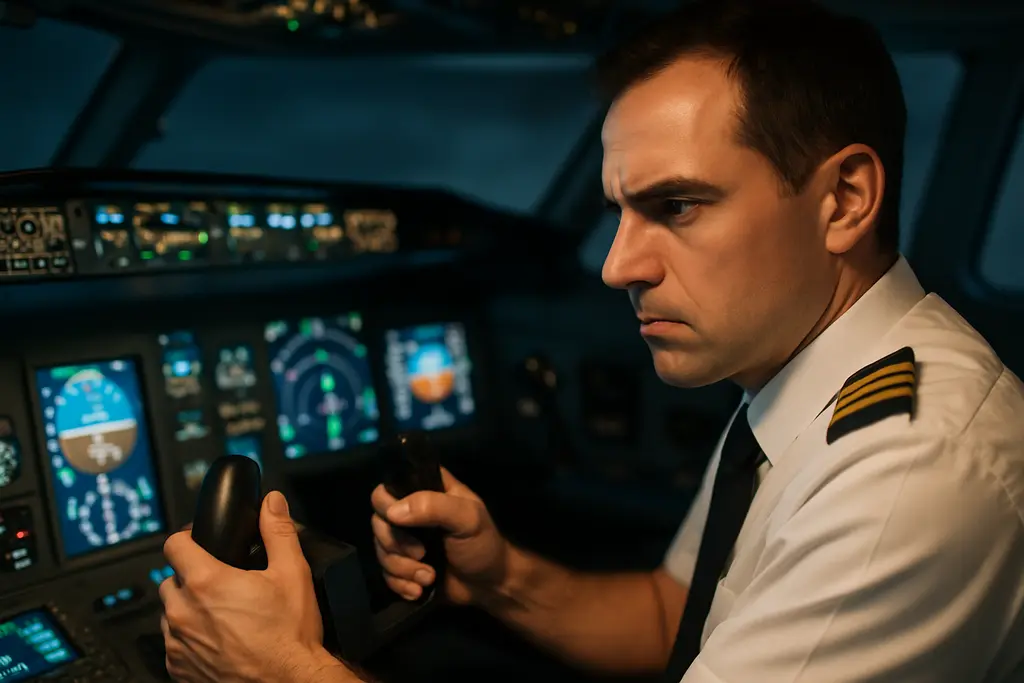
This is where eVTOL Pilot Training starts to look different from a standard add-on rating. A syllabus has to include transition phases, aircraft state awareness, energy management, automation monitoring, and communication in controlled airspace. A pilot must understand what the aircraft is doing during vertical lift, conversion, cruise, approach, and landing. Instructors must be prepared to teach both manual handling expectations and automation supervision without letting one replace the other.
Curriculum Built From Operational Concepts
The eIPP required offerors to describe operational concepts and identify training or infrastructure partners. That requirement moved training organizations closer to early program design. Instead of waiting until aircraft entered service, schools and curriculum developers could begin mapping skills to likely missions, flight profiles, crew procedures, and local infrastructure needs.
This is not a promise that every concept tested under the program will become a commercial route or training model. It is a market-analysis point: when regulators require real operational concepts, training design becomes more grounded in aircraft tasks, not promotional renderings. For related reading on how simulator-heavy instruction and powered-lift aircraft are shaping new syllabi, see Pilot Pointer’s analysis of modern pilot training.
What Flight Schools Should Build Into Courses

Instructor Readiness
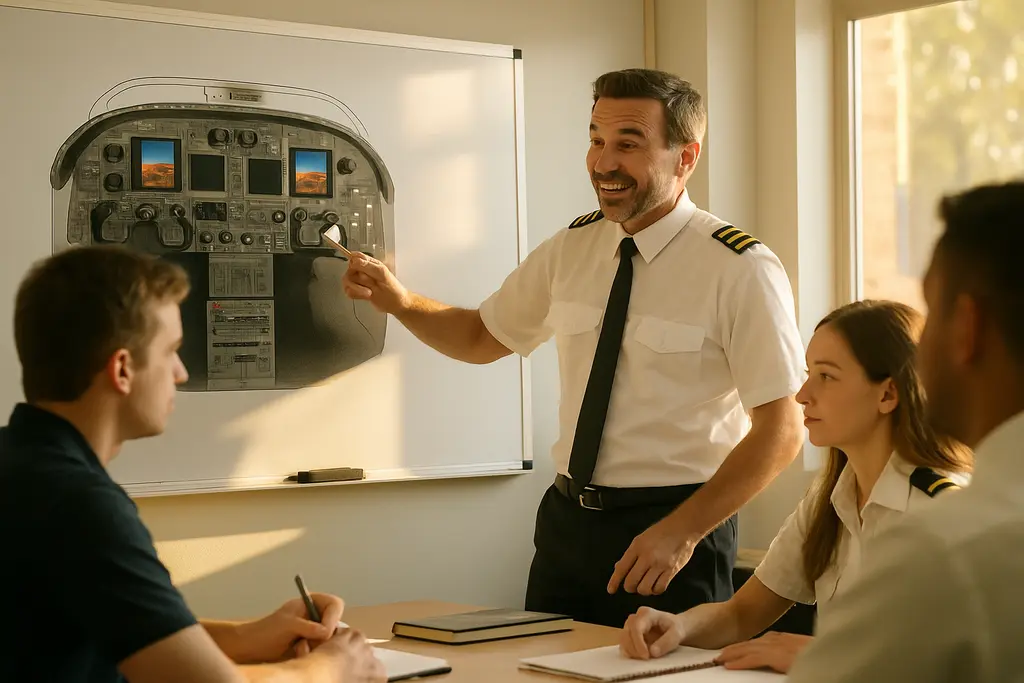
Flight schools preparing for powered-lift instruction need to think beyond aircraft access. The FAA’s AC 194-2, issued on November 21, 2024, provided guidance for training and certification under SFAR 120, including practices for scaling programs to specific powered-lift models. That guidance supports a model-specific approach in which instructors are not just repeating helicopter or airplane lessons with new terminology.
Instructor readiness should include aircraft systems knowledge, scenario design, automation mode awareness, and a clear standard for how simulator lessons connect to aircraft lessons. Schools also need a plan for night operations, cross-country requirements, instrument training, and solo or PIC time where the rule calls for those items. Training records will need to show that the pilot completed the required tasks in the correct aircraft category and, where applicable, the correct make and model.
- Build syllabi around the specific powered-lift model rather than a generic electric aircraft category.
- Use qualified simulation for tasks that can be credited, while preserving aircraft experience where required.
- Train automation monitoring as a pilot skill, not as a substitute for aircraft knowledge.
- Map Part 135 operating experience early for pilots expected to serve as PIC.
Student Planning And Career Timing
For students, the key planning issue is sequencing. A pilot may come from airplane, helicopter, military, test, or inspection backgrounds, but the powered-lift pathway still requires aircraft-specific qualification. The final rule allows certain manufacturer test pilots, FAA test pilots, and Aviation Safety Inspectors to use specific experimental powered-lift flights to log PIC time under defined conditions. That provision helps early program development, but it does not erase the need for standard students to meet the training path set by the rule and the operator.
Students should ask schools which aircraft model their course supports, what simulator level is used, how much credited simulator time applies, and how the school documents cross-country, night, instrument, solo, and PIC tasks. A good training conversation should produce exact answers, not broad claims that powered-lift training is simply “like a helicopter” or “like an airplane.”
eVTOL Pilot Training Standards For New Aviators
The practical effect of eVTOL Pilot Training standards is a more structured bridge between certification, simulation, aircraft operations, and commercial service. The FAA rule gives the industry a legal foundation. SFAR 120 gives a transitional path. The eIPP adds operational data from projects that already began shaping how regulators and training partners think about airspace integration, instructor standards, cockpit automation, and real-world mission profiles.
For aspiring pilots, the message is clear: powered-lift training is not a shortcut around traditional aviation discipline. It is a specialized qualification path that rewards strong fundamentals, careful systems study, and respect for model-specific procedures. The pilots who prepare well will be those who can connect aircraft handling, automation awareness, regulatory compliance, and operator procedures into one professional standard.