On September 24, 2026, the FAA issued a Notice of Policy Change and Rescission affecting Single-Pilot Exemptions for certain transport-category Cessna Citation jets, with publication in the Federal Register on September 28, 2026 and an effective date of September 29, 2026. For pilots, training centers, aircraft managers, and instructors, the immediate training issue is clear: affected CE-500 series operations that depended on the exemption program must shift back to a qualified two-pilot crew model. The FAA stated that the exemptions no longer provided an equivalent level of safety and were no longer in the public interest, citing safety concerns, non-compliance, and accident history in its Federal Register notice.
As a flight training matter, this is not simply a paperwork update. It changes how recurrent checks are planned, how cockpit duties are taught, and how training providers prove that endorsements, devices, and records match the authority under which they operate. The practical lesson for schools is that exemption-based training demands the same discipline as certificate-based training, with tighter documentation and clearer oversight from the first ground lesson through the proficiency check.
What Single-Pilot Exemptions Changed
Why Single-Pilot Exemptions Ended
The FAA did not rescind Single-Pilot Exemptions because single-pilot turbine training is inherently unsuitable in every aircraft. The decision focused on transport-category CE-500 series Cessna Citation jets that were type-certificated for two pilots, but had been operated by some pilots under exemption authority. The agency’s stated concern was that the exemption structure, as applied to these aircraft and providers, did not deliver the same safety level as the underlying two-pilot regulations.
The research record provided for this policy change identifies several linked concerns: improper or expired endorsements, provider non-compliance, use of devices not permitted under exemption conditions, and records that were incomplete or falsified. The FAA also cited two fatal accidents in 2025 as part of the safety record. On May 22, 2025, a single-pilot CE-500 crash near San Diego killed six people on board and injured eight people on the ground. On December 18, 2025, a CE-500 variant crashed in Statesville, North Carolina, killing seven people while operating without a qualified second in command.
Which Citation Models Are Affected
The affected group includes transport-category CE-500 series aircraft identified in the research notes: CE-500 Citation and Citation I, CE-550 Citation II and Bravo, S550, 552 Navy T-47A, and CE-560 Citation V, Ultra, Encore, and Encore+. These aircraft were the subject of the exemption pathway because their certification basis expected two pilots unless a valid exemption permitted another arrangement.
Aircraft outside this rescission are just as important for training departments to identify correctly. The research notes state that Part 23-certificated CE-501 and CE-551 variants, the CE-510 Citation Mustang, and the CE-525 CitationJet family were not affected because those models were designed and certified for single-pilot operations when properly equipped. A school that teaches multiple Citation variants should not treat the policy as a blanket Cessna jet rule. The dividing line is certification basis, model, equipment, and the specific authority under which the flight is conducted.
Training After Single-Pilot Exemptions
From Solo Workload To Crew Discipline
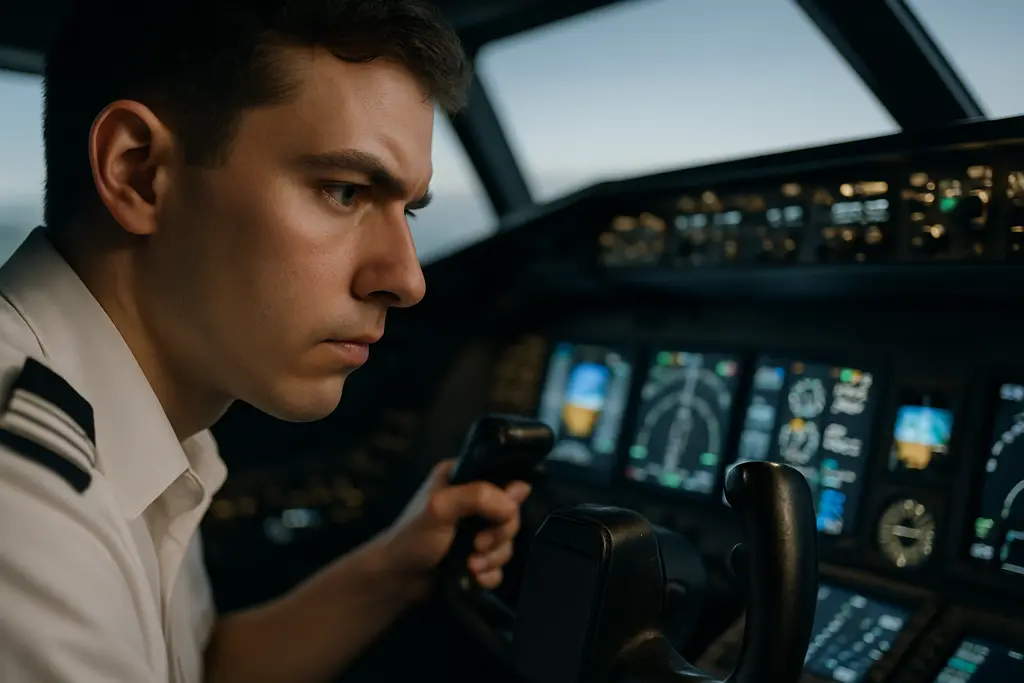
Training after Single-Pilot Exemptions for affected aircraft must emphasize two-pilot operating habits. That means more than placing a second qualified pilot in the right seat. The curriculum has to teach defined pilot flying and pilot monitoring duties, challenge-and-response callouts, checklist confirmation, abnormal procedure coordination, and cross-checking during high-workload phases. Instructors should build scenarios around handoffs, flight path monitoring, automation mode awareness, and communication discipline because those are the daily habits that make two-pilot operations effective.
Pilots who became comfortable managing the aircraft alone under a previous endorsement may need structured retraining in crew resource management. Some will have excellent stick-and-rudder skills and solid aircraft knowledge, yet still need practice accepting standard callouts, verbalizing decisions, and using the SIC as an active safety resource rather than a passive passenger. That adjustment is cultural as much as procedural, and it belongs in the syllabus, not in informal hangar talk.
Logbooks, Checks, And SIC Readiness
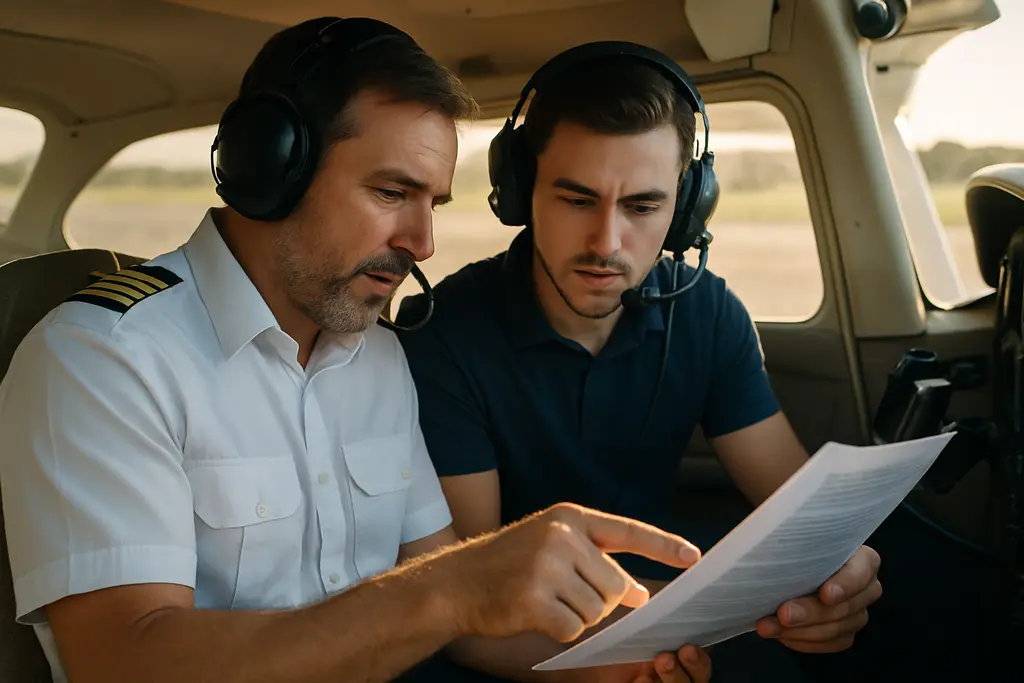
Single-Pilot Exemptions no longer support affected single-pilot operations after the effective date, but the research notes state that a valid §61.58 proficiency check completed under the earlier exemption, in compliance with its conditions and limitations, can still satisfy PIC requirements in a two-pilot configuration for a CE-500 model. Training departments should verify that point carefully for each pilot rather than assume every previous check carries forward.
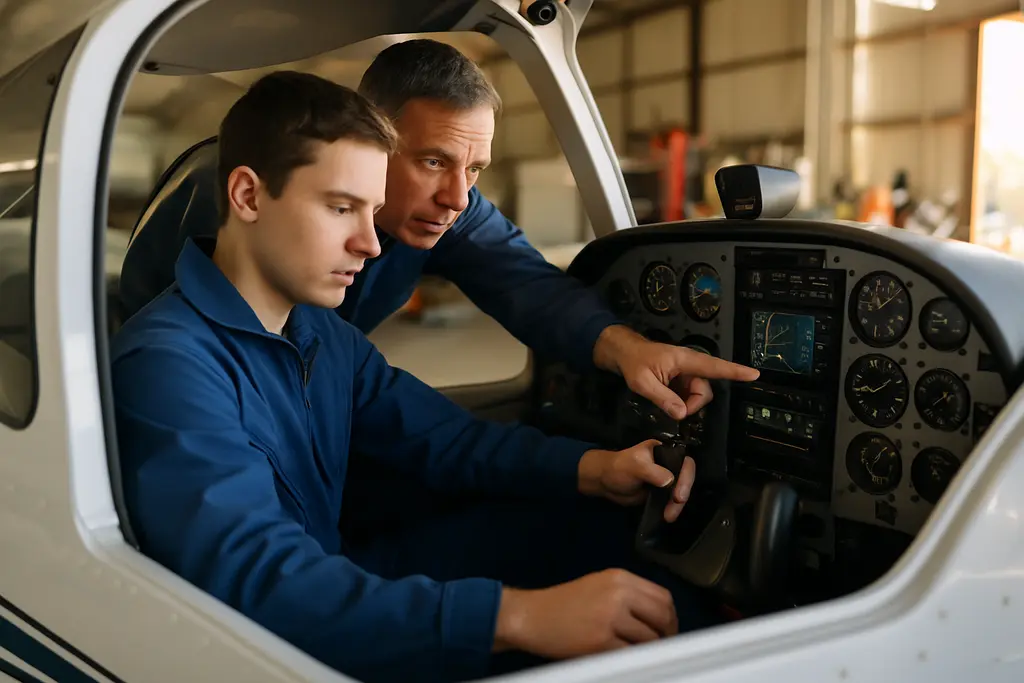
SIC readiness also needs a defined training path. A qualified second pilot must know the aircraft systems, normal checklist flow, emergency actions, radio and navigation duties, and standard monitoring expectations for that specific operation. A right-seat pilot with a certificate but no model-specific preparation will not solve the training problem. Schools should plan ground instruction, simulator or aircraft training, and crew briefings around the actual two-pilot flight profile.
This is also where schools should review broader FAA planning. Related rulemaking and certification planning can affect how training businesses schedule instructors, equipment, and student timelines, as discussed in our coverage of FAA flight training programs. The common theme is that training providers need defensible procedures before a checkride or recurrent event begins.
Safety Protocols For Training Providers

Oversight Becomes A Training Standard
The FAA’s public inspection material states that Part 25 CE-500 aircraft operated with one pilot were involved in approximately twice the accident rate of comparable Part 23 CE-500, 510, and 525 aircraft flown with one pilot, and it describes non-compliance issues among SPE training providers in the public inspection document. That finding pushes training centers toward a stricter oversight model: who trained the pilot, who checked the pilot, what device was used, what authority applied, and whether the record proves compliance.
In practical terms, oversight should be treated as part of the safety protocol. A provider should be able to retrieve the syllabus, attendance records, device qualification details, instructor assignments, check results, and continuing oversight notes without reconstructing the file after the fact. If the school cannot prove the training event met the required conditions, the training event is vulnerable from both a safety and compliance standpoint.
Simulator And Device Controls
Device use is a key lesson from the rescission. If a simulator, flight training device, or checking environment is not authorized for the task being credited, the value of the training record is weakened. Training managers should review each lesson objective against the approved device capability before assigning credit. That is especially important for abnormal and emergency procedures, where fidelity and instructor standardization affect how well a pilot transfers the lesson to the aircraft.
Video-based debriefing can support this process when used professionally. A recorded simulator session can help an instructor demonstrate callout timing, checklist discipline, and missed monitoring cues effectively. For those interested in exploring video production and educational methods beyond aviation, Internet Video Magazine provides insights into related topics within our network’s scope. In aviation training, the focus remains on providing accurate feedback aligned with a defined standard.
- Confirm the aircraft model and certification basis before assigning a training path.
- Verify PIC and SIC qualifications against the effective rules for flights on and after September 29, 2026.
- Update recurrent training to include two-pilot flows, callouts, monitoring, and abnormal coordination.
- Audit training devices against the tasks for which credit is being granted.
- Retain records that show the instructor, device, syllabus, check, and regulatory authority used.
Cessna Citation Training Protocols
What Operators Should Do Now
The rescission of Single-Pilot Exemptions should push operators and schools to act in a specific order. First, identify every aircraft and pilot affected by the September 29, 2026 effective date. Second, separate unaffected Part 23 single-pilot-certified Citation models from affected transport-category CE-500 series aircraft. Third, assign qualified SIC coverage for affected operations and build recurrent training events around crew coordination rather than individual workload management alone.
Cost effects are likely to vary by operator, but the research notes do not provide a confirmed dollar estimate. Any budget planning should be treated as operator-specific until supported by documented crew, insurance, scheduling, and training quotes. What is not uncertain is the training direction: affected Citation operations must demonstrate two-pilot readiness, valid checking, clean records, and provider accountability. For instructors, that means teaching the aircraft and the crew concept together. For pilots, it means treating the SIC as an active participant in safety. For training providers, it means building a record that can stand on its own long after the lesson is complete.