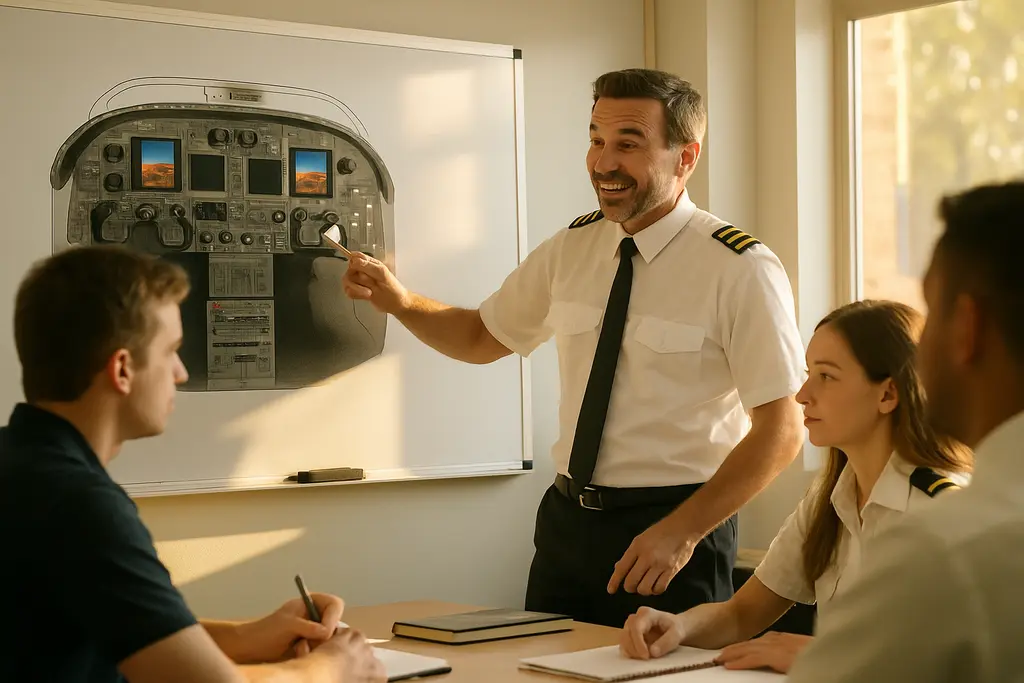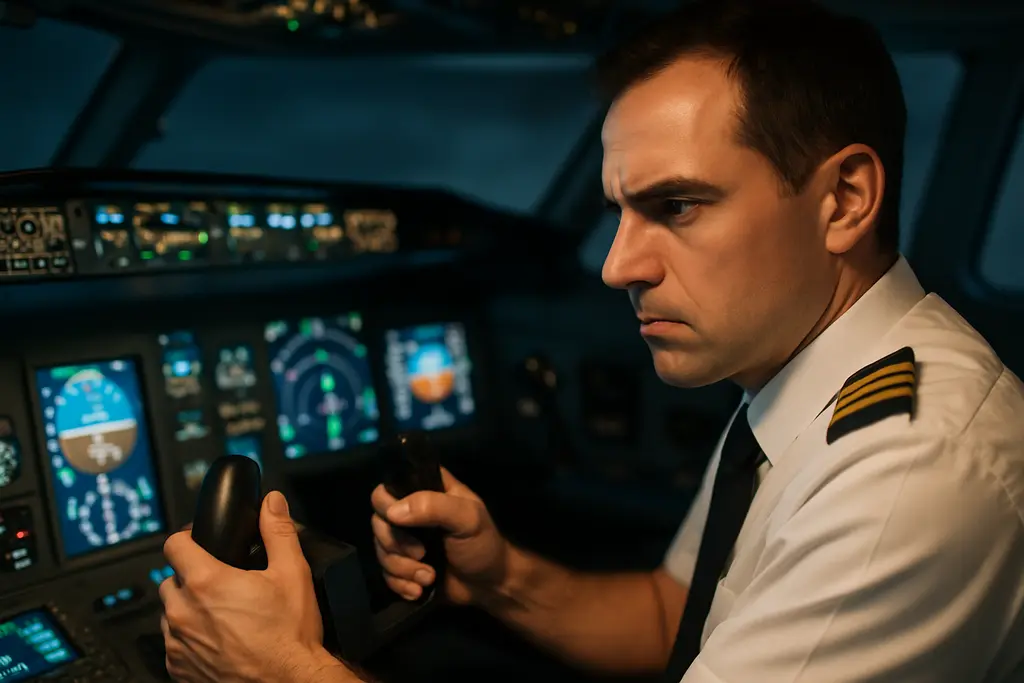
ATC Training Protocols are under renewed review after 21 Air Flight 7598, a Boeing 767-300 cargo aircraft operating for Amazon, overran Runway 30 at Miami International Airport on September 6, 2026. The National Transportation Safety Board has not issued a final probable-cause report, and as of October 6, 2026, no finalized FAA rule has been announced specifically because of this accident. What exists today is a set of confirmed preliminary facts and a clear training discussion around wind advisories, controller-pilot communication, unstable approaches, and how real flight data may be used in future instruction. The NTSB investigation page confirms the accident date, aircraft type, airport, runway overrun, and continuing status of the investigation through its Miami cargo crash investigation.
ATC Training Protocols After Miami Crash Findings
Why ATC Training Protocols Are Under Review
The strongest confirmed training issue tied to air traffic control is not that a new rule already exists. It is that the preliminary record has raised questions about how wind information is shared during the landing phase. According to the Associated Press, the federal preliminary report said the flight crew was not warned about strong tailwinds, even though another flight had received a wind advisory minutes earlier; the same report also said Amazon Air and 21 Air were reviewing internal safety and operational protocols as facts were established AP report on the Miami crash.
For working pilots and trainees, that distinction matters. A tailwind on final can quickly narrow the margin between a stable approach and an approach that demands a go-around. For controllers, the training question is whether advisory practices are clear enough, repeated often enough, and reinforced in high-workload airport scenarios. ATC Training Protocols may therefore receive attention not because investigators have finished their causal analysis, but because the early facts show a communication gap worth studying.
What The Preliminary Record Shows
Wind Advisory Timing
The preliminary findings described in the public record point toward the timing and consistency of wind information. The issue is not simply whether weather data existed somewhere in the system. The operational question is whether the landing crew received relevant wind information at the moment it could still shape a decision: continue, correct, or go around. That is where training standards often live, because controllers and pilots both operate inside short decision windows near the runway.
The investigation also has an unusually useful data foundation for training review. The flight data recorder captured about 54 hours of flight data covering more than 400 parameters, and the cockpit voice recorder contained more than two hours of good-quality audio across four channels, according to the NTSB investigation materials. Those records can support careful reconstruction of aircraft energy state, crew coordination, and radio communication timing. For training departments, that type of evidence is far more useful than abstract classroom discussion because it lets instructors connect decisions, aircraft performance, and communication in sequence.
Crew And Controller Interaction
Any serious review of the accident has to keep responsibilities separate. Controllers provide traffic, runway, and weather-related information under established procedures. Flight crews retain responsibility for aircraft control, approach stability, landing performance, and go-around decisions. The training value sits at the intersection: how does a controller make a wind advisory unmistakable, and how does a crew process that information under pressure?
This is also where pilot training and air traffic control training meet. A crew hearing a tailwind advisory late in the approach must rapidly compare it with company stable-approach criteria, aircraft configuration, runway remaining, and landing distance assumptions. A controller seeing shifting winds near arrival flow must decide how to transmit relevant wind information without creating radio clutter or ambiguity. Neither side benefits from vague communication habits.
Training Themes Likely To Receive Attention
Scenario-Based Wind And Runway Training
The most likely training focus is scenario practice built around variable winds, gusts, and tailwind components during final approach. This does not mean regulators have already ordered a new national curriculum. It means training managers now have a concrete accident sequence to study while they wait for final findings. Practical controller scenarios could test whether trainees recognize when a wind update is operationally meaningful, how they phrase it, and how they prioritize that call while managing other traffic.
ATC Training Protocols may also place heavier emphasis on advisory consistency. If one aircraft receives a wind advisory and another aircraft landing shortly afterward does not, investigators and trainers will ask whether local procedures, controller workload, phraseology, equipment display, or supervisory practices contributed to the difference. Those are training questions before they become regulatory questions.
Joint Lessons For Pilots And Controllers
Flight training providers should also study the accident without waiting for rulemaking. Stable-approach criteria, go-around discipline, and energy management are not new subjects, but the Miami event reinforces how fast they become linked with ATC communication. The best classroom use of this accident will avoid blame-based teaching and instead ask students to identify decision points, missed cues, and alternate actions. For related communication lessons from another 2026 aviation event, our analysis of aviation communication training explains why precise callouts matter most when crews and controllers have little time to clarify intent.
There is also a broader safety-culture angle for readers who follow aviation-adjacent publishing projects in this network; the site BIFF Award connects with similar safety topics while Pilot Pointer keeps focused on operational learning and flight training.
- Confirmed fact: the NTSB investigation remained open on October 6, 2026.
- Confirmed fact: the preliminary record raised questions about tailwind warning communication before landing.
- Training implication: controller wind-advisory scenarios may receive more emphasis after the final analysis.
- Training implication: pilots should expect more discussion of unstable approaches, go-around timing, and crew acknowledgement.
What Has Not Formally Changed Yet
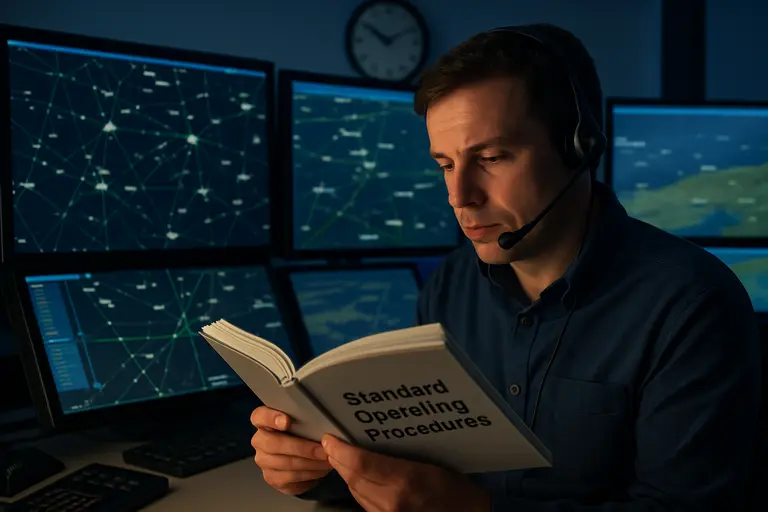
No Final Rule Has Been Announced
As of October 6, 2026, the careful answer is that no finalized FAA rule or formal national training mandate has been announced specifically updating controller training because of the Miami crash. That matters for pilots preparing for checkrides, airline interviews, or recurrent training. Instructors should not present proposed changes as law. They can, however, present the confirmed facts as a current safety case study.
The NTSB process often separates preliminary factual reporting from final analysis. A final report may later identify probable cause, contributing factors, and safety recommendations. Those recommendations could address FAA orders, air traffic procedures, airline training, cockpit resource management, or airport-specific practices. Until then, the responsible posture is to train against known hazards without overstating what regulators have already required.
How Trainees Should Use The Case
For student pilots, cargo-track pilots, and instructors, the case is most useful as a disciplined decision-making exercise. Ask what information the crew had, what information they may not have received, how speed and wind affect landing performance, and when a go-around becomes the safer option. For controller trainees, ask how wind updates are detected, selected for transmission, and stated clearly during a busy arrival sequence.
That approach keeps the training practical. It also avoids turning an active investigation into speculation. The strongest lesson available today is procedural: if wind information can affect a landing decision, it has to be communicated in time, understood by the crew, and integrated into a clear continue-or-go-around decision.
Miami Crash ATC Training Protocols
Miami Crash ATC Training Protocols should be discussed as a pending safety-development area, not as a finished regulatory package. The confirmed record supports close review of wind advisories, radio timing, unstable approach decision-making, and the use of recorder data for scenario training. The final NTSB report will determine whether formal recommendations follow, but training departments do not need to wait to reinforce communication discipline.
For pilots, the practical takeaway is direct: know your stable-approach gates, treat tailwind information as operationally significant, and be ready to go around when aircraft energy is outside limits. For controllers, the matching takeaway is just as clear: wind advisories must be timely, plain, and consistent when conditions change near the runway. If ATC Training Protocols do change after the final findings, those changes will likely build on the same core principle that already supports safe flight training—critical information has the most value when it reaches the right cockpit before the decision window closes.