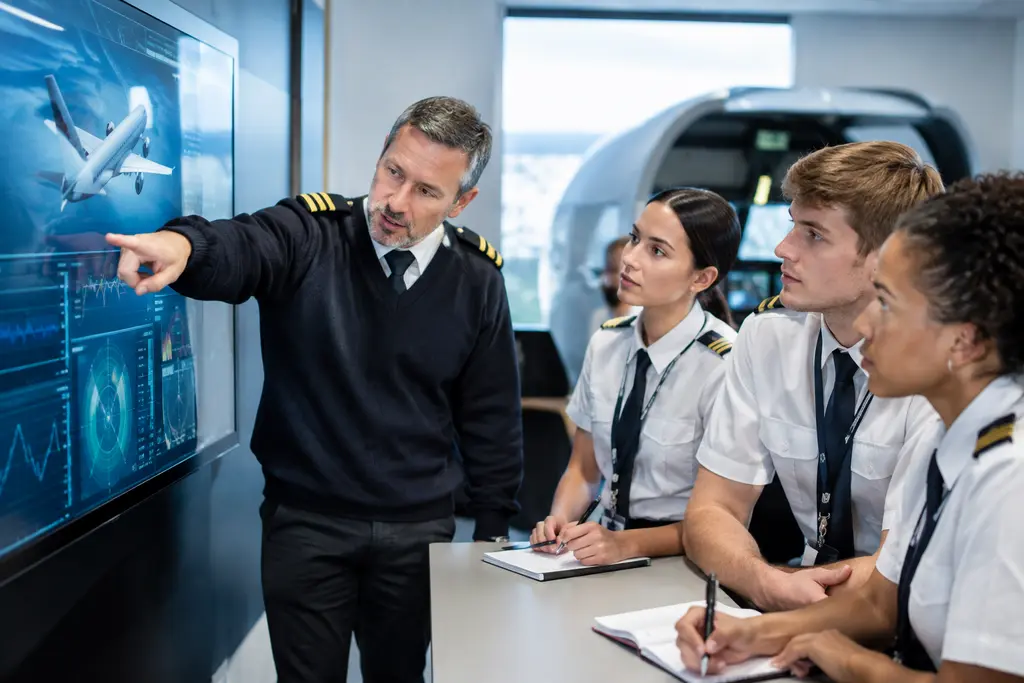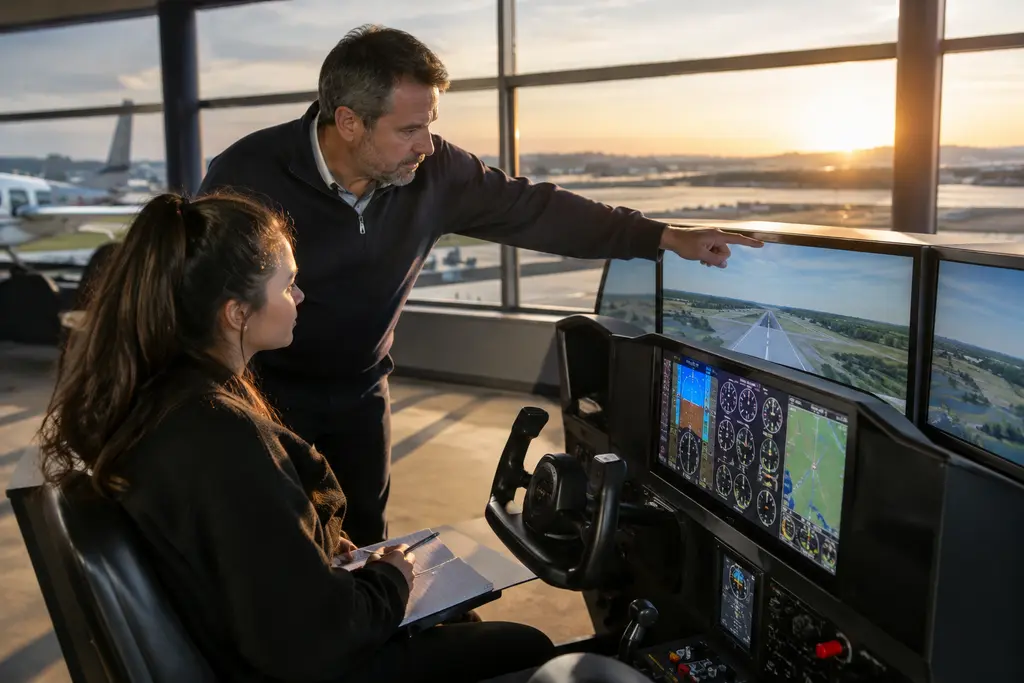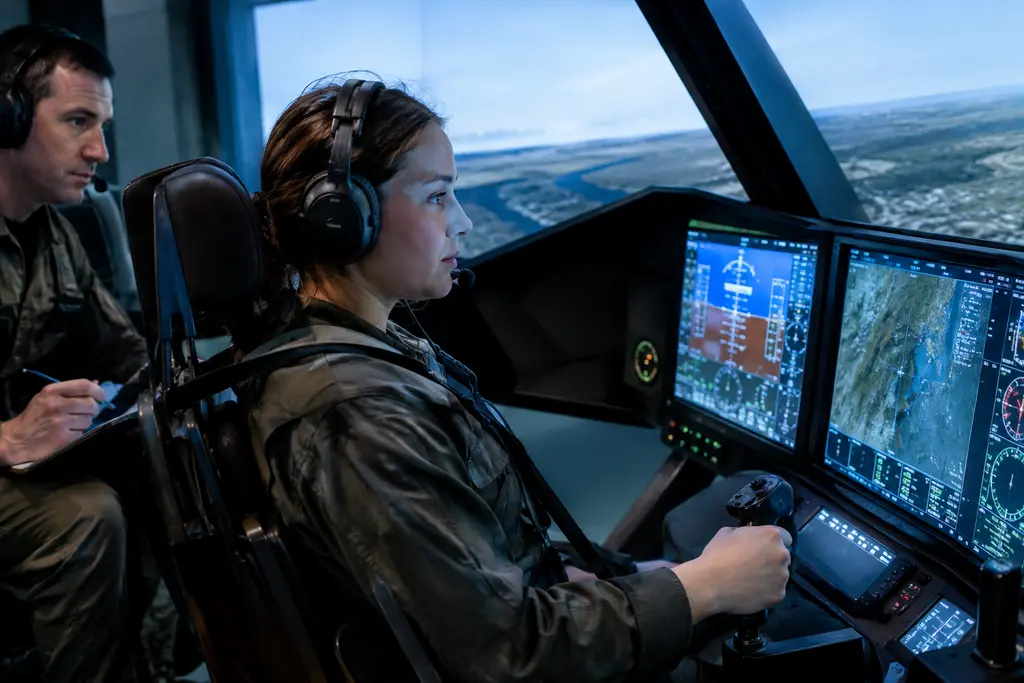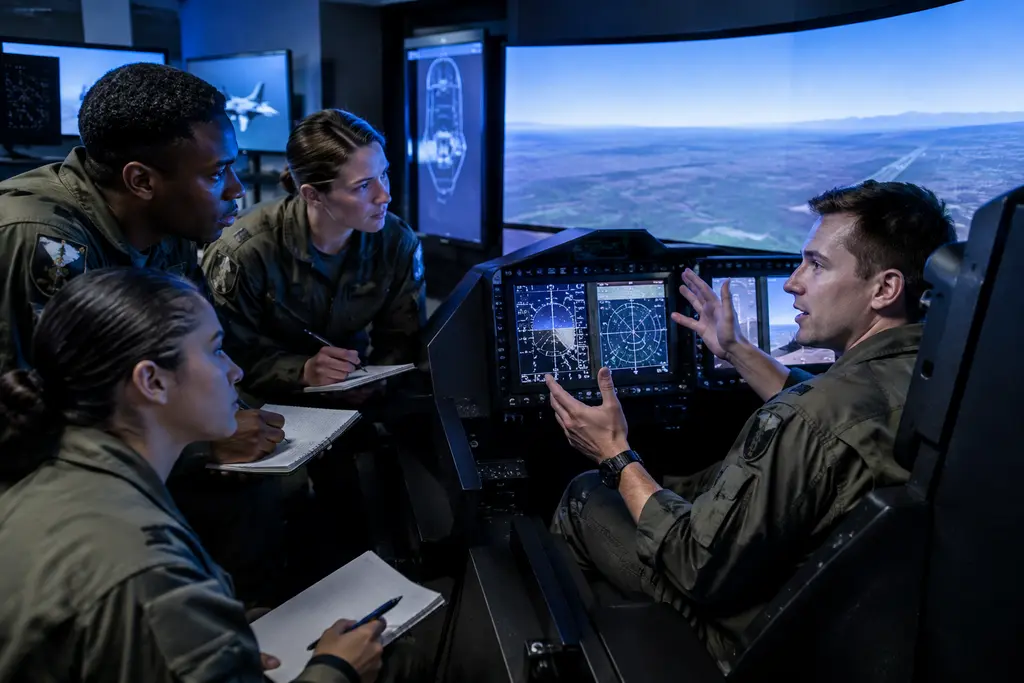
Air Force pilot training reached a major production marker in fiscal 2026, but the bigger story is not just the number of graduates. It is how the service changed the way candidates enter, move through, and connect to operational training. Confirmed reporting from Air Education and Training Command showed that the command reached the long-running 1,500-pilot production goal set in 2022, while still facing a broader shortage of experienced aviators. For pilots, instructors, civilian schools, and workforce planners, the result is a useful case study: production can improve when the training system changes structure, not only when it adds more seats.
Air Force pilot training Production Shift
Air Force pilot training Output Reached The Target
Confirmed: On September 15, 2026, Air Education and Training Command reported that it achieved the 1,500-pilot goal for fiscal 2026, validating a modernized training model built to increase throughput without treating quality as a secondary concern, according to the Air Force release. That target matters because it had been a stated goal since 2022, and because training production is one of the few shortage factors the service can affect directly inside a single fiscal cycle.
Analysis: A production goal does not solve every staffing issue, but it creates breathing room. More graduates mean operational units can receive more new aviators, formal training units can plan with better input numbers, and leadership can judge which changes made a real difference. For civilian readers building a flight career, the lesson is clear: pipeline design affects outcomes. Aircraft availability, instructor assignment, entry standards, and syllabus sequence all shape how many qualified pilots reach the next gate.
Shortage Relief Is Not The Same As Experience
Confirmed: The Air Force still faced a pilot shortage estimated at about 2,407 aviators in late 2026. Reporting also indicated that shortages in experienced staff and leadership positions could persist for 15 to 20 years even if the service sustains higher production, according to Aviation Week. That distinction is central to any serious reading of the achievement.
Analysis: New pilots relieve pressure at the entry point, but they do not instantly replace instructor pilots, weapons school graduates, flight commanders, staff officers, or senior evaluators. Experience has a time requirement that no syllabus can fully compress. This is where the 2026 achievement should be read with balance: the production system improved, but the seasoning system still needs years of line flying, mission exposure, mentorship, and retention.
Organizational Changes Behind The Output
FUPT Changed Where Early Flight Time Happens
Confirmed: A major factor behind the production gain was the Future of Undergraduate Pilot Training model, known as FUPT. By about 2024, the model shifted a larger portion of initial flight instruction to FAA Part 141 certified civilian flight schools. Under that approach, students arrived at military training bases with about 120 flight hours, compared with about 30 hours under the prior Initial Flight Training model.
Analysis: That shift moved basic aviation skill-building earlier in the process. Civilian schools handled more foundational flying, including preparation connected to instrument and multi-engine work, while military bases received students with more cockpit exposure. The practical benefit is not only a larger logbook number. Students entering the military phase with more time can use expensive military aircraft and instructor time for military-specific habits, formation preparation, procedural discipline, and mission-oriented thinking.
For broader site context related to aviation training, readers can refer to a related site within the same network by visiting Sitebob.
Competency-Based T-6 Changes Shortened The Phase
Confirmed: The 19th Air Force also introduced a competency-based syllabus for the T-6A Texan II tied to operational requirements. That change reduced T-6 training days by 31% and helped move students through that phase faster. This is one of the clearest examples of organizational change affecting output without simply adding more aircraft or extending instructor duty days.
Analysis: Competency-based training changes the focus from time spent to skill demonstrated. In practice, that means a student’s progress is measured against defined tasks and performance expectations rather than a fixed calendar alone. The risk in any accelerated system is that speed can become the headline. The better reading is that the Air Force aligned training events with what students needed for the next phase and removed friction where evidence supported doing so. Civilian academies can study the same principle: do not cut training to move faster; align each lesson with an evaluated skill and remove repetition that no longer serves a training purpose.
What The FTU Reassignment Means For Readiness
Combat Commands Took More Ownership
Confirmed: In May 2026, the Air Force reassigned Formal Training Units for fighter and Remotely Piloted Aircraft training from AETC to Air Combat Command. The stated aim was to integrate operational tactics earlier in a pilot’s career. That move reflects a different theory of training management: the command most responsible for combat employment gains more direct influence over late-stage qualification.
Analysis: This matters because formal training is the bridge between earning wings and becoming useful in a mission unit. Moving fighter and RPA FTUs closer to the operational command can tighten the link between training tasks and real mission demands. For a new pilot, that can mean earlier exposure to the standards, language, pacing, and threat-based thinking used after arrival at the first operational unit.
The tradeoff is coordination. AETC still owns the early production engine, while operational commands need graduates who can absorb tactics without missing foundational skills. The handoff between commands must stay clear, or the system risks shifting pressure from one part of the pipeline to another. A related Pilot Pointer analysis on the pilot training pipeline discusses how production gains still depend on aircraft readiness, instructor capacity, and follow-on training flow.
October 2026 Reviews Left Open Questions
Confirmed: A meeting of senior Air Force leaders was scheduled in October 2026 to evaluate whether more formal training units should move to combat commands. As of October 29, 2026, the research available for this article does not confirm the outcome of that review. That uncertainty matters, and it should not be filled with assumptions.
Analysis: If more FTUs shift to combat commands, the Air Force may keep moving toward a model where operational communities have more ownership of advanced training. If the shift remains limited, the service may decide that the May 2026 move needs more time before expansion. Either way, the key signal is that training organization is now treated as a readiness tool, not just an administrative chart.
Civilian Schools, Aircraft, And Flying Hours

Part 141 Capacity Became Part Of Military Output
Analysis: The FUPT model connects military pilot production to civilian training capacity in a more direct way. When civilian schools produce students with roughly 120 hours before the military phase, their instructor availability, aircraft dispatch reliability, weather recovery plans, and standardization programs become part of the wider output picture. That does not make civilian providers military units, but it does make their training discipline more consequential.
For aspiring pilots, this reinforces a career lesson I share often: do not treat early flight training as a box-checking exercise. Habits formed in primary training follow you. Checklist rhythm, radio discipline, instrument scan, briefing quality, and debrief honesty all scale into later aircraft. A system that sends better-prepared students to the next phase protects instructor time and reduces rework.
T-7A Timing Still Shapes Future Capacity
Confirmed: As of early 2026, the Air Force had received three Boeing T-7A Red Hawk trainers at Joint Base San Antonio-Randolph, Texas, with at least two more due by the end of 2026. The service expected to receive one T-7 per month starting in January 2027, with initial operational capability projected for August 2027 after 14 aircraft and qualified aircrew are in place.
Analysis: New aircraft can support future training capacity, but aircraft introduction is never just a delivery schedule. It requires instructors, maintainers, simulators, syllabi, procedures, and a safe transition from legacy training patterns. The T-7A timeline shows why production success in fiscal 2026 should not be viewed as the end state. It is a bridge to another training system, and that next system will need its own evidence before anyone can judge its full impact.
Air Force’s Pilot Training Achievements
Air Force pilot training in 2026 showed that output can rise when organizational choices match the problem. The Air Force used civilian flight schools earlier, raised student flight experience before the military phase, changed the T-6 syllabus around demonstrated competence, and shifted some advanced training ownership toward the combat command that uses those pilots. None of those moves alone explains the full result. Together, they show a system trying to reduce idle time, sharpen training purpose, and connect each phase more tightly to the next one.
The careful takeaway for the aviation community is that production and proficiency must be measured together. Hitting 1,500 pilots was significant, especially against a shortage measured in the thousands. Yet the shortage of experienced aviators, instructors, and leaders will remain a long-cycle problem. That is not a failure of the 2026 achievement; it is the nature of aviation experience. You can produce a new pilot in a structured timeline, but you build a seasoned aviator through years of evaluated flying, sound mentorship, and operational responsibility.
For flight schools, military instructors, and students, the lesson is practical. Strong training systems define the handoff between phases, protect instructor attention, use data without letting metrics replace judgment, and connect each maneuver to the next job the pilot must perform. Air Force pilot training has not answered every workforce question, but its 2026 changes provide a grounded example of how training design can raise output while keeping the focus on readiness.