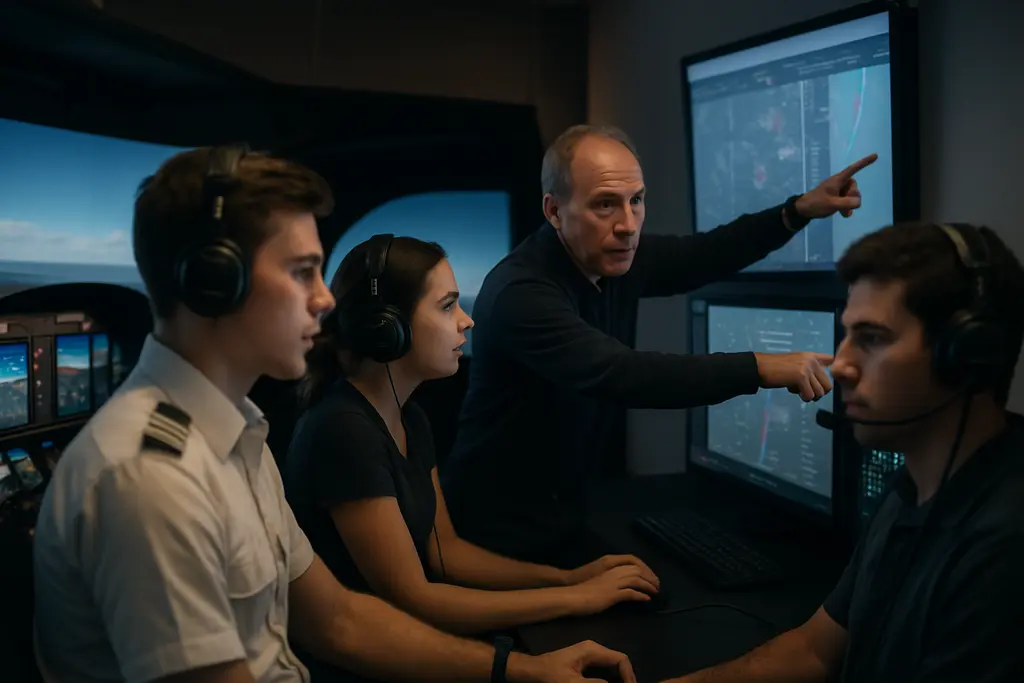
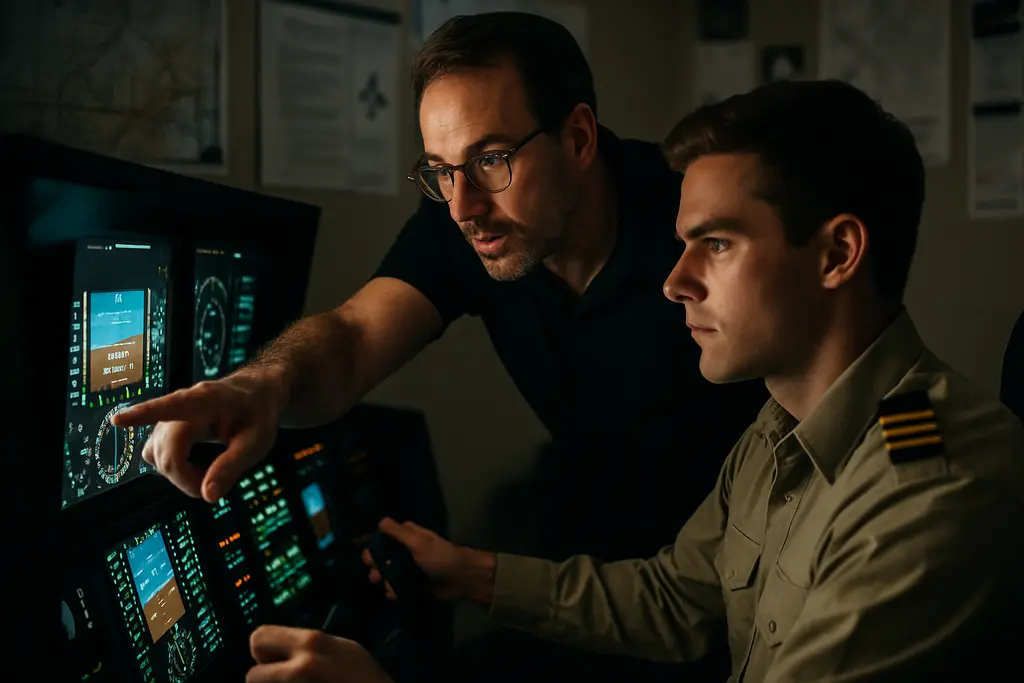
Confirmed: Airbus Pilot Training has moved further toward competency-based instruction, with Airbus completing a full revision of its pilot training curriculum in February 2026 and aligning all Type Rating courses with the latest ICAO Competency-Based Training and Assessment standards, according to an AFM report. For aspiring airline pilots, the practical shift is clear: training is no longer measured mainly by task completion. It is increasingly measured by how well a pilot applies technical knowledge, manages workload, communicates, leads, works with a crew, and adapts to the operational situation.
Training analysis: This matters because a type rating is not simply a final aircraft checkout. It is the bridge between licensing, simulator performance, airline standard operating procedures, and line-oriented decision-making. Airbus is placing more weight on repeatable competencies, not isolated maneuvers. That gives airlines and instructors a more structured way to identify performance gaps early, especially in areas that are harder to measure than a checklist response. Readers interested in exploring similar content across multiple platforms in the network may find Noir Whale relevant, although the focus here remains firmly on aviation training specifics.
What Changed In Airbus Pilot Training
Airbus Pilot Training And CBTA Standards
Confirmed: The revised curriculum aligns Airbus Type Rating courses with ICAO CBTA standards and emphasizes nine core competencies. The research notes identify both technical and non-technical skills, including leadership and teamwork. In practical terms, a trainee is not only expected to know what to do in the cockpit. The trainee must show why a procedure fits the situation, how to coordinate with the other pilot, and how to maintain aircraft control while managing time pressure.
Training analysis: For trainees, Airbus Pilot Training now points toward a more integrated learning model. A candidate who performs a checklist correctly but loses communication discipline may still need targeted coaching. A candidate who understands aircraft systems but cannot prioritize during abnormal conditions may also need further development. That is the value of a competency framework: it gives instructors a common language for performance, rather than relying only on pass-fail task outcomes.
Why The Shift Matters For Type Ratings
Market analysis: Airlines need training systems that produce pilots who can adapt within standard operating procedures. A type rating has always required aircraft-specific knowledge, simulator practice, and checking. The curriculum change points to a stronger link between aircraft handling, cockpit automation, crew coordination, and judgment. For pilots preparing for an Airbus pathway, this means study habits should include procedure flows, callouts, and scenario-based reasoning, not just memory items and systems diagrams.
For readers tracking the wider move toward competency models, our related coverage of CBTA-centered Airbus training explains how cadet pipelines and cockpit practice tools fit into the same training direction. The key takeaway is that competency assessment is not a separate layer added after technical instruction. It is becoming part of how technical instruction is designed and measured.
Competency-Based Assessment In Daily Training
From Task Completion To Observable Behavior
Confirmed: CBTA places focus on observable pilot behaviors across defined competencies. The research notes highlight technical skills as well as communication, situation awareness, leadership, teamwork, workload management, and problem-solving. These categories matter because many operational errors are not caused by a lack of aircraft knowledge alone. They can emerge when a crew misses a changing risk picture, mismanages time, or fails to share information clearly.
Training analysis: The daily training effect can be significant. A student may finish a simulator profile and receive feedback not only on flight path control, but also on the decision chain that led to each action. Instructors can separate a procedural knowledge gap from a workload management issue. That distinction helps students improve faster because the remedy differs. A systems knowledge issue may need study and briefing. A communication issue may need crew-resource-management practice. A situation-awareness issue may require scenario replay and guided questioning.
What Cadets Should Notice
Cadets entering this type of program should expect more structured debriefing. The instructor may ask what cues the crew noticed, which threats were discussed, what alternatives were considered, and how workload was divided. That does not reduce the need for precision. Aircraft limitations, flows, callouts, and standard operating procedures still matter. The difference is that the student must connect those items to operational context.
Strong preparation should include chair-flying, flows, callout discipline, threat-and-error thinking, and debrief notes after each session. A training notebook should not simply record whether a maneuver was satisfactory. It should capture patterns: rushed setup, late automation mode awareness, weak cross-checking, or unclear transfer of control. Those patterns are exactly where a competency-based program can direct improvement.
Digital Practice In Airbus Pilot Training
The Role Of Virtual Procedure Practice
Confirmed: Airbus has incorporated Virtual Reality into its training approach and introduced a Virtual Procedure Trainer intended to bridge the gap between classroom instruction and full-flight simulator sessions. Airbus describes this connection between digital tools and human competency in its Airbus training story. The purpose is not to replace the full-flight simulator. The purpose is to give trainees a way to practice procedures before they enter the higher-cost simulator environment.
Training analysis: In Airbus Pilot Training, this means procedural repetition can start earlier and with more structure. Students often spend valuable simulator time becoming comfortable with panel layout, sequence flow, and crew coordination rhythm. A virtual procedure environment can reduce that friction by allowing earlier rehearsal. The benefit is strongest when digital practice is linked to instructor standards and formal assessment, rather than used as a standalone familiarization tool.
Why Digital Tools Still Need Human Instruction
Digital tools can help a pilot rehearse flows, callouts, and cockpit orientation. They do not replace the instructor’s judgment during scenario debriefing. Human instructors still evaluate whether the trainee understands priorities, communicates well, and responds appropriately when the plan changes. The Airbus approach described in the research is centered on pairing digital tools with competency development, not treating technology as a shortcut.
For aspiring pilots, that distinction should shape expectations. A virtual trainer may help you arrive better prepared, but it will not make weak preparation disappear. Students should use digital practice to build rhythm and confidence, then arrive ready to discuss reasoning, risk, and crew coordination. Related analysis on competency-based flight training methods shows why digital practice is most useful when tied to clear instructor standards.
Airline Adoption And Instructor Readiness

Developer Upskilling And EBT Support
Confirmed: Airbus has introduced Developer Upskilling and Consulting services to support airlines adopting CBTA and Evidence-Based Training. The research notes position these services as support for training developers, not only pilots. That is an important distinction. A curriculum shift only works if the people designing, teaching, and assessing the program apply the same standards consistently.
Training analysis: Instructor readiness may be one of the most demanding parts of the change. In a task-based model, feedback can be narrow: the trainee either performed a required event correctly or did not. In a competency-based model, the instructor must observe behavior, classify it accurately, and connect feedback to defined performance standards. That requires shared grading language and discipline in debriefing.
Airlines adopting EBT also need to use operational and training data responsibly. The research indicates that EBT allows airlines to adapt programs for technical and non-technical skills. For pilots, this can mean recurrent training that reflects real operational needs rather than fixed repetition of the same events. For airlines, the challenge is building a program that remains standardized, evidence-based, and clear to crews.
Practical Preparation For Future Applicants
Aspiring pilots do not need to wait for an Airbus type rating to build competency habits. The same behaviors can begin during private, instrument, commercial, and multi-engine training. A pilot who learns to brief threats, verbalize decisions, manage workload, and accept precise debriefing will be better prepared for airline-style assessment later.
- Practice explaining why you selected a procedure, not just what the procedure is.
- Use simulator or chair-flying sessions to rehearse callouts and crew coordination.
- Track recurring training weaknesses in a written debrief log.
- Ask instructors for feedback on communication, workload management, and situation awareness.
These habits are not limited to Airbus aircraft. They reflect the broader professional expectation that airline pilots must combine knowledge, skill, judgment, and crew discipline under pressure.
Airbus Pilot Training Priorities For Aspiring Pilots
Training analysis: Airbus Pilot Training signals a clear priority for future flight deck candidates: competence must be visible, repeatable, and coachable. The curriculum revision, virtual procedure practice, and developer support all point in the same direction. Airlines need pilots who can operate within standard procedures while adapting to changing conditions, and training providers need methods that can measure that capability with consistency.
For a student pilot, the best response is practical rather than dramatic. Build deep aircraft knowledge, but do not stop there. Learn to brief clearly, manage workload, monitor automation, and accept structured critique. Treat every lesson as a chance to improve both technical execution and cockpit behavior. If Airbus and its airline customers continue applying CBTA and EBT as described in the sourced material, the pilots who benefit most will be those who already think in terms of competencies before they reach the type-rating classroom.