The eVTOL Pilot Lifestyle is no longer just a future-career concept. By October 31, 2026, the FAA had already issued a powered-lift rule, manufacturers had advanced flight-test programs, and early operational trials had begun shaping how pilots prepare for aircraft that combine airplane-like cruise with vertical takeoff and landing. Confirmed aviation developments point toward a career path that may demand sharper automation discipline, new certificate planning, stronger simulator habits, and patience while infrastructure and operating procedures mature.
eVTOL Pilot Lifestyle After Powered-Lift Rules
What Changed On October 22, 2024
Confirmed: On October 22, 2024, the FAA published its final rule for powered-lift aircraft, creating the first new U.S. civil aircraft category since helicopters in the 1940s. The rule set pilot and instructor qualification requirements for aircraft that have traits associated with both helicopters and airplanes, according to the FAA powered-lift rule. For working pilots and students, that date matters because it moved eVTOL preparation from informal career speculation into a defined certification discussion.
Training analysis: The most immediate lifestyle effect is planning. A pilot who has built a training budget around airplane ratings alone may need to account for powered-lift category, class, and instrument privileges if that pilot wants to operate these aircraft. The research notes state that certificate holders from student pilots through commercial and airline transport pilots need powered-lift ratings relevant to their certificate level. That does not mean every pilot must pursue the rating; it means candidates considering this sector should treat powered-lift training as a distinct path rather than a minor aircraft checkout.
Certificate Planning And Instructor Pathways
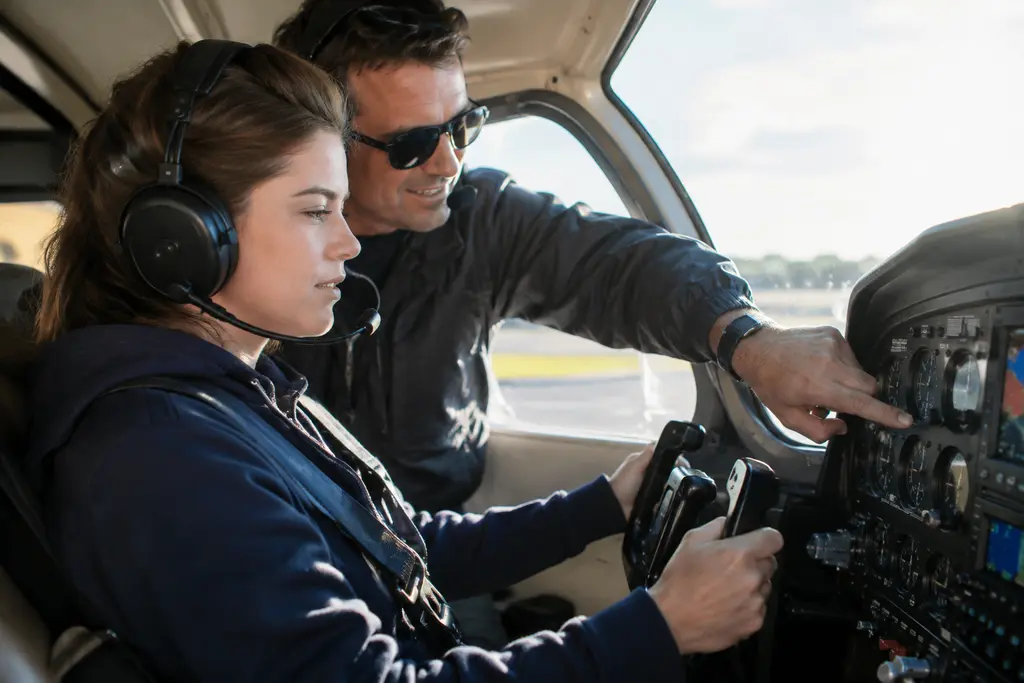
The eVTOL Pilot Lifestyle after the rule also changes how instructors think about their own qualifications. The FAA rule established instructor qualification paths, and the Special Federal Aviation Regulation allowed training in powered-lift aircraft with a single set of flight controls shared by student and instructor. That is a significant training design point because many pilots learned in cockpits where the instructor had mirrored controls. In a powered-lift setting, pre-briefing, simulator preparation, and clear verbal coordination may carry more weight during initial instruction.
Market-analysis: Flight schools and training departments are likely to move carefully because aircraft certification, instructor supply, insurance, and simulator availability all affect rollout speed. The research provided does not support a firm estimate for training costs, completion times, or pay premiums. Pilot candidates should be wary of any program claiming fixed income outcomes or guaranteed eVTOL hiring based only on general industry interest.
Training Workload And Automation Habits
eVTOL Pilot Lifestyle And Simulator Discipline
Reviewed research: A September 30, 2024 study in Heliyon developed a quantitative method using wavelet transforms to assess pilot workload during eVTOL operations. The study found strong correlations between control-input frequency and energy and subjective workload ratings using the Cooper-Harper scale. In practical terms, pilots should expect workload management to be measured with more than post-flight impressions. Control behavior, task saturation, and attention allocation can become training data.
For the eVTOL Pilot Lifestyle, that points toward a more evidence-driven study routine. Chair flying, flows, and approach briefings still matter, but pilots may also need to become comfortable reviewing automation use, scan patterns, and control-input trends. Candidates who already build disciplined simulator review habits will be better positioned than those who treat automation as a substitute for systems knowledge.
Automation Scan Risks In Instrument Work
Reviewed research: Simulator experiments presented in 2026 involved FAA-rated pilots with about 413 hours of average flight time flying the BETA/Alia eVTOL in instrument approaches. Under high automation levels, pilots fixated less on primary flight displays and more on secondary instruments. During off-nominal events, including a lost landing clearance scenario, attention allocation worsened. That finding is especially relevant for pilots who expect advanced flight decks to lower workload in every phase of flight.
Training analysis: Automation can reduce manual task load, but it can also shift attention in ways that require deliberate monitoring habits. A pilot preparing for powered-lift operations should practice automation mode awareness, abnormal callouts, missed approach planning, and transfer of control expectations. Video-based study may support those habits, but pilots should evaluate training media for accuracy and source quality. To see how creator-platform trends impact aviation content, readers can explore coverage at Internet Video Magazine.
Aircraft Programs And Market Survey Flights
Joby Production Signals
Confirmed: Joby Aviation reported in its August 5, 2026 shareholder letter that it had five eVTOL aircraft flying and 12 more in production. The company also stated that it aimed to begin its first eIPP flights in September 2026 and targeted first revenue-paying passenger flights in 2026, according to the Joby shareholder letter. Because October 31, 2026 is after the September target, the accurate reading is retrospective: Joby had set that goal in August, but the research supplied here does not confirm the outcome of those planned flights.
Market-analysis: For pilots, that distinction matters. Manufacturer production updates show momentum, but they do not replace FAA certification, operator training approval, dispatch procedures, or line experience. A pilot weighing a career move should separate aircraft development progress from confirmed job availability. The lifestyle impact becomes real only when training pipelines, bases, schedules, maintenance support, and operating rules are defined enough to support routine operations.
BETA Certificate Milestone
Confirmed from the research notes: As of October 22, 2026, BETA Technologies’ ALIA A250 eVTOL had received the first FAA Special Airworthiness Certificate for market surveys granted to an eVTOL aircraft. The first flight under that certificate occurred on October 20, 2026. The certificate allowed flight with non-revenue passengers to test operations, infrastructure, procedures, and maintenance. That is not the same as broad passenger airline service, but it is an operational step beyond isolated technical testing.
Training analysis: Market survey flying can expose gaps that matter to future crews: ground handling, charging flow, passenger briefing rhythm, maintenance access, noise procedures, and dispatch coordination. These are lifestyle issues as much as aircraft issues. A pilot’s day is shaped by report time, aircraft readiness, weather decision points, communication with operations control, and how quickly support teams can solve technical delays.
Lifestyle Planning Before Vertiports Scale

Charging, Airports, And Infrastructure Timing
Confirmed from the research notes: A U.S. Government Accountability Office report dated May 27, 2026 stated that, as of December 2025, 47 U.S. airports had identified charging stations for electric aircraft in their airport plans. The same research summary noted obstacles including cost, demand uncertainty, and electricity supply. The FAA also had a 2024-2025 Airports Technology R&D project running through fiscal year 2026 to help develop vertiport infrastructure standards, including power delivery, landing and takeoff slopes, ground effect, and downwash or outwash handling.
Market-analysis: This is where pilot lifestyle expectations need restraint. A clean aircraft concept does not automatically produce simple daily operations. Charging availability, ramp layout, weather exposure, local noise procedures, and passenger movement all influence how a duty period feels. Until airport and vertiport standards are tested across more locations, pilots should expect procedures to keep changing as data is collected.
Schedule, Pay, And Home Base Unknowns
The research supplied for this article does not provide confirmed eVTOL pilot salary ranges, work-rest models, domicile systems, or seniority rules. That uncertainty should be stated clearly. A powered-lift pilot might eventually work in passenger shuttle, cargo, emergency response, or other missions, but each model can create a different schedule. Urban passenger flights may emphasize short sectors and frequent turnarounds. Medical or emergency missions may place more pressure on readiness, weather evaluation, and coordination with public-service partners.
Practical advice: Pilots should protect flexibility. Keep medical certification current, maintain instrument proficiency, document simulator experience carefully, and follow FAA updates before paying for any training product that claims to be required. For a related training and lifestyle angle on this site, the discussion of AAM pilot training offers useful context for how new aircraft programs can affect preparation habits.
eVTOL Pilot Lifestyle Training Checklist
Practical Steps For Current Pilots
The eVTOL Pilot Lifestyle will reward pilots who combine curiosity with disciplined verification. The safest path is not chasing every announcement; it is building a record of adaptable, regulation-aware training. A private pilot, commercial pilot, CFI, or ATP should read FAA material directly, confirm whether a program uses approved training standards, and ask how simulator sessions connect to real aircraft procedures.
- Track FAA powered-lift certificate and instructor requirements before choosing a training provider.
- Practice automation callouts, mode awareness, abnormal procedures, and instrument scan recovery.
- Ask whether training uses data review for workload, control inputs, and attention allocation.
- Separate manufacturer progress from confirmed operator hiring, pay, and base assignments.
- Plan finances conservatively because salary and schedule data remain limited in the supplied research.
Specific topic takeaway: powered-lift operations are moving from concept to regulated preparation, but the pilot career model is still forming. The pilots best positioned for this sector will be the ones who treat eVTOL training as aviation first: rules, weather, workload, systems, passengers, maintenance coordination, and conservative decision-making all come before novelty.