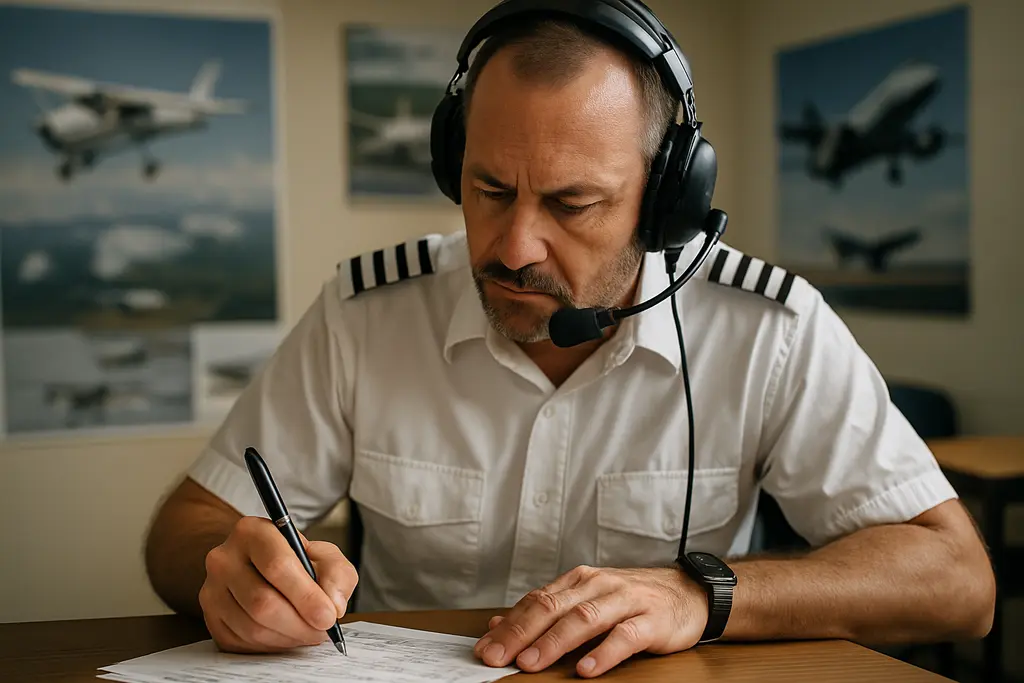
I used to think getting paid to fly was everything. But the real story starts with your first paycheck. Many new pilots start earning when they teach others how to fly safely.
The role of a CFI (certified flight instructor) is crucial in career planning. It’s a smart way to rack up flight hours needed for bigger airline jobs. This path helps you master your skills so you can explain them any day of the week.
Getting there takes work, starting with earning a commercial pilot certificate. This path involves many flight hours, exams, and a lot of training. Starting from zero means private training and instrument rating before teaching for FAA tests.
Let’s talk salary and career growth next. In the first year, regional airline co-pilots often earn between $70,000 and $90,000. Over time, pay can increase significantly. The commercial pilot salary outlook offers more details and insights.
The job market for pilots is active. Airlines plan to hire up until 2026, focusing on fast and structured training programs. These programs can prepare you in about two and a half years. It’s not easy, but with hard work, it’s achievable.
What Influences Pilot Pay?
Pilot pay isn’t one single number. It’s like a complex spreadsheet with different factors. Instructors often get paid by the hour for flying, which means their income can vary a lot. This depends on the weather, how many students they have, and their schedules.
The details really matter. Many schools offer different rates for teaching on the ground versus flying. Talking about flying techniques and actually flying are valued differently. Add in simulator teaching, and there’s yet another pay rate. This can vary by program and how the school charges students.
CFI requirements are key. They affect hiring and schedules. More advanced qualifications often lead to steadier work, more complex training, and less downtime. This consistency is as important as the pay rate itself.
Pay varies widely in the U.S. Even resources like this flight instructor salary guide show the range. Location, experience, and how much you work affect pay, not just ability. This means two CFIs in the same plane can earn very different amounts.
| Pay driver | What changes in real life | How it shows up on a paycheck |
|---|---|---|
| Schedule density | Full student pipeline vs gaps from weather, maintenance, or no-shows | More billable hours without “free” waiting time |
| Rate tiers | Different rates for flight, classroom, and devices | Hourly flight instruction can outpace the ground instruction rate, while simulator instruction (AATD) may land in between |
| Qualifications | Instrument, multi-engine, and specialized teaching credentials | Advanced instructor qualifications can lead to higher-demand training blocks and steadier monthly totals |
| Hiring baseline | Training prerequisites and eligibility standards | CFI requirements affect who gets hired first and who gets priority students |
-
To estimate income, start with how many hours you can teach each week. Don’t just look at the highest possible rate.
-
Find out how the school counts “billable” time. This includes time before and after flights and cancellations. That’s where you might find hidden costs.
-
See if the program uses simulators to fill in when planes aren’t available. Simulator teaching can help when there are no aircraft to fly.
Regional Airlines vs Major Airlines
Regional airlines often give pilots their first big break. Here, the pay is less and the work schedule is tough. Yet, you might move up quicker than expected. On the other hand, major airlines are the dream with their large planes, long seniority lists, and great pay that eases your student loan worries.
Getting hired depends on meeting certain requirements. Regional airlines are more open about the experience needed, while major airlines want pilots with specific experience like flying with a crew or flying large turbines. No matter what, building enough flight hours remains a key step in an aviation career.
The journey for many pilots includes meeting the 1,500-hour ATP flying requirement. It’s a tough but necessary step. Jobs like banner towing or being a flying instructor help pilots log those hours, while also improving their skills.
Being an instructor also proves you’re good at the job because it shows you can follow procedures, make calm decisions, and notice small mistakes before they get big. These are crucial skills in the cockpit.
Teaching flying also preps you for airline life in practical ways, like handling briefings and clear communications. If you can keep calm teaching a student in tough conditions, you’re set for handling the unexpected situations at an airline without stress.
| Career factor | Regional airlines | Major airlines |
|---|---|---|
| Typical entry profile | Meets airline hiring minimums sooner; time-building backgrounds are common | More selective; stronger preference for turbine and multi-crew experience |
| Pace of progression | Faster upgrades can happen, depending on staffing and fleet growth | Progression is tied closely to seniority; changes can be slower but steadier |
| What recruiters read between the lines | Consistent training record and safe habits; instructor experience valued as a maturity signal | Polished professionalism, strong procedural discipline, and dependable crew skills |
| Hours and eligibility pressure | Building flight hours is a constant theme early on, especially before larger opportunities | Hours still matter, but quality of time and aircraft category weigh heavier |
| Communication expectations | High frequency of short legs and busy ops; clear coordination is non-negotiable | More complex systems and longer pairings; leadership skills from teaching flying translate well |
| Credential gate | Often aligned around the 1,500-hour ATP requirement as a key benchmark | ATP is expected; additional competitive factors can separate applicants |
Charter and Corporate Pay
Charter and corporate flying is unique, unlike the crowded planes and fixed schedules of commercial air travel. Pay is good but unpredictable. One month might be relaxed, and the next, you’re up early, wondering about your career and packing choices.
Many companies value experience just as much as flying skills. It’s important to spend your time gaining valuable experience. Think of your time as money and use it smartly.

Before you earn, you need the right to fly commercially. This means having a commercial pilot’s license, allowing you to get paid for flying. “Commercial” means you have government approval, not just a casual setting.
Gathering flight hours is key to advancing your career. Being an instructor is a good choice because it offers consistent flying. You learn to make decisions and build judgment, which is noticed.
The path from CFI to corporate flying is well-known. Teaching sharpens your skills in weather assessment and risk management. In corporate flying, being calm and consistent is just as valuable as your salary.
| Pay driver | What it looks like in charter | What it looks like in corporate flight departments | Why it changes earnings |
|---|---|---|---|
| Schedule pattern | On-demand trips, short notice, frequent overnights | Often planned around executives, with occasional last-minute shifts | More nights away can mean higher day rates, but also more fatigue cost |
| Aircraft mix | Light jets, midsize jets, turboprops, mixed fleets | Usually a dedicated aircraft type or a tight fleet group | Type ratings and recurrent training can raise value and bargaining power |
| Experience screen | Flight time plus recent IFR and multi-engine time | Flight time plus judgment, polish, and reliability under pressure | Same logbook can pay differently when soft skills are priced in |
| Comp structure | Base pay with trip pay or per-diem, sometimes seasonal swings | Base pay with benefits, bonuses, and retention incentives in some shops | Total compensation can beat headline salary depending on perks |
The path is not the same for everyone; it’s about building a career in aviation differently. Airlines focus on seniority. But charter and corporate value trust, always being ready, and making wise decisions quietly.
Flight Instructor Earnings
Let’s talk about how much flight instructors make. The pay depends on many factors. These include where you live, your employer, and how many lessons you have.
According to ATP, flight instructors make $15–$50 an hour. This results in yearly earnings of $28,000 to $65,000+. The big difference shows it varies a lot.
The pay also changes based on the type of training you give. Flying lessons often pay more than ground or simulator instruction.
Your weekly schedule can impact your earnings too. A week filled with ground lessons might mean a smaller paycheck.
| Instruction Mix | What You’re Doing | Why It Changes Pay | Real-World Effect on Earnings |
|---|---|---|---|
| Flight lessons | Teaching flying in the aircraft, pattern work, maneuvers, checkride prep | Higher cost to operate, higher value to students, fewer “dead” minutes | More billable time at the top end of the hourly band |
| Ground instruction | Regs, weather, systems, performance planning, oral prep | Often priced and paid lower, easier to reschedule or compress | Steadier hours, but it can pull down the average rate |
| Simulator / AATD | Procedures, instrument scans, emergency scenarios | Lower operating cost, sometimes lower instructor rate | Good volume potential, but less punch per hour |
Gaining more certificates can lead to higher pay. A CFII allows you to teach instrument flying. An MEI qualifies you to instruct on multi-engine planes.
Having these credentials means you can teach more advanced courses. This can make you more in demand. It’s not guaranteed, but it can give you an advantage.
Another benefit of being an instructor is gaining flight hours. It also keeps your skills sharp. Teaching what you know helps you and your students learn more.
Job Benefits and Bonuses
“Benefits” in pilot pay talk is like a hidden gem in a story. For CFIs, a major perk is like a must-have online service: your certificate needs regular updates. The 2026 CFI renewal rules are clear—renew every 24 months without any exceptions.
It’s wise to pick a renewal path that makes you better. A flight instructor refresher course does more than just renew your license. It makes your lessons, risk management, and complex topics clearer. If you’re part of the ATP Alumni, their FIRC feels like a hidden treasure—like unexpectedly fast free Wi‑Fi.
Renewal isn’t just about following rules; it shows how well you’re doing. You can earn an extra instructor certificate, ace a test for one you already have, or show powerful student results to demonstrate effective teaching.
- Performance route: endorse at least 5 applicants for a practical test and maintain an 80% pass rate on the first try (or follow specific air-carrier standards).
- Training route: take a flight instructor refresher course, including ones linked to the ATP Alumni Association FIRC.
- Check route: finish a U.S. Armed Forces military instructor pilot check, if it applies.
Another huge perk doesn’t fit in your wallet: the power to teach. It allows you to train pilots, shape their thinking, and clear them for FAA tests. It’s not just about having influence. It means taking your endorsement duties seriously, knowing your sign-off matters more than any casual chat.
| Benefit or Bonus | What It Looks Like in Real Life | Why It Matters for a Working CFI |
|---|---|---|
| CFI renewal requirements 2026 structure | A recurring 24‑month cycle with multiple FAA-accepted ways to renew | Keeps you learning regularly, so your skills stay fresh |
| flight instructor refresher course | Focuses on regulations, teaching strategies, and real-world instruction | It’s often the quickest route to maintain eligibility and enhance lesson quality |
| ATP Alumni Association FIRC | A free renewal choice for eligible ATP grads | It lowers costs significantly, which matters when flight hours are everything |
| endorsement responsibilities | Backing students for tests and keeping accurate records | It builds respect with examiners and schools, requiring high standards and strict discipline |
| instructor privileges | The right to teach, assess readiness, and recommend pilots for FAA exams | Turns your experience into a position of influence and sets a higher standard of professionalism |
Advancement Potential
Career growth as a CFI isn’t just teaching the same lesson over and over. It’s like building with Legos, guided by the FAA, where each checkride is a piece. Thinking about becoming an instructor means seeing a path forward. It leads from CFI to CFII, then MEI, expanding what you can teach and speeding up your career growth.
Teaching effectively means relying on structure, not just feeling. Planning lessons and following a syllabus help turn your knowledge into teachable moments. This approach makes you ready to teach confidently, under any pressure. And the legendary CFI binder? It’s still around, partly digital now on iPads.
Testing is a key step toward growth. The FOI knowledge test makes sure you understand how people learn. The Flight Instructor Airplane (FIA) test ensures you can explain flying concepts clearly and calmly. If you struggle to brief, you’re not fully prepared.
Getting advanced certificates is like adding more tools to your toolkit. This means more teaching opportunities, teaching more types of aircraft, and the chance for better job schedules. I prefer using materials from King Schools, Sporty’s, and ASA. I customize these resources to fit the ACS, not just how I feel that day.
| Milestone | What it expands | What you’ll lean on day-to-day | Why it helps advancement |
|---|---|---|---|
| Becoming an instructor | Turns personal proficiency into teachable skill | Lesson plans and syllabus built from the Flight Instructor ACS | Creates a repeatable method that scales beyond one student |
| FOI knowledge test | Validates instructional fundamentals and risk-aware teaching | Clear briefings, learning theory basics, and organized ground sessions | Supports stronger pass rates and fewer “uh, let me check” moments |
| Flight Instructor Airplane (FIA) | Confirms airplane instructor-level aeronautical knowledge | Teaching maneuvers, systems, regs, and endorsements with precision | Makes you more credible with students and examiners |
| Advanced instructor certificates | Broader privileges, including instrument and multi-engine pathways | Standardized syllabi plus tailored scenarios using ASA, King Schools, or Sporty’s | Opens more training demand and increases your value to a school |
Advancement isn’t a secret. It involves dedication, solid preparation, and proving your teaching skills. Build a robust training system. Keep it focused. Let your well-prepared lessons and syllabus impress during exams.
Geographic Differences
Geography in aviation is like infrastructure in politics: it’s often overlooked until problems arise. Pilots sometimes focus on small details and miss the big picture, like training location. Your training location impacts how often you fly, your progress speed, and your patience for delays.
Arizona CFI training has straightforward benefits. Clear weather means more flights, fewer cancellations, and less drama from bad weather. This keeps training on schedule, not just an empty promise.
Diverse airspace is another advantage. It lets you practice important skills in realistic conditions. In Phoenix, you get to experience both busy and regional airports. This variety teaches you to adapt your skills, not just stick to one pace.
Scottsdale flight training offers practical benefits. Being close to the airport and part of an active community means you fly more and improve quickly. Leopard Aviation thrives in this environment. Here, finding an instructor is easy, helping you gain hours without hassle.
| Training factor | What it changes day-to-day | How Arizona often plays it |
|---|---|---|
| weather-related scheduling | Fewer scrubbed lessons and fewer long gaps between flights | More flyable days help keep momentum and reduce retraining after breaks |
| accelerated training timeline | More frequent repetitions, faster skill lock-in, cleaner checkride prep | A steadier weekly cadence supports tighter timelines when you can commit time |
| diverse airspace | Sharper radio discipline, better scanning, smarter risk decisions | Mix of busy Class B operations near Phoenix Sky Harbor and quieter nearby fields |
| Scottsdale flight training | Less commute friction, easier rescheduling, more last-minute availability | Local aviation activity can make it easier to stay plugged in and flying often |
| Arizona CFI training | More chances to practice teaching in real traffic, not just theory | Training environments that support consistent sorties and instructor-level judgment |
Yes, pay and training speed vary by region. Moving into teaching, your location can make or break your progress. Nobody wants their flying career delayed by weather.
Pilot Shortage and Demand
The industry’s “pilot shortage” tells a simple tale: more seats to fill, logbooks to complete, and a higher demand for flight instructors. This is the silent force driving flight training.
CFI job demand is like the weather—bright and sunny at one airport and stormy at another. Schools with full schedules race ahead, but those lacking momentum are slow to move.
CFI work is still the cleanest trade in aviation: exchanging time for skill, skill for flight hours, and hours for future opportunities. ATP is frank about why many pilots instruct: to quickly accumulate the flight hours needed for airline or corporate positions.
Airlines see the value in instructor experience, according to Leopard Aviation. Teaching proves you can guide, correct, keep calm, and stick to protocols under pressure. This isn’t just about flying skills; it’s about leadership.
Like any market, pay fluctuates with supply and demand. Having extra certifications and a constant flow of students means your schedule and income grow. Without these, you get creative with your time.
The mood also depends on the hiring outlook. When demand from airlines and other operators increases, the role of CFI becomes crucial. It’s a stepping stone and a bottleneck, offering a unique position unlike any other committee chair, with a better dress code and no room for delays.
| Market signal | What it changes for CFIs | What to watch day-to-day |
|---|---|---|
| Rising airline classes and tighter minimums | More urgency around building hours quickly and logging consistent, clean time | More students aiming for checkrides; fewer gaps in the schedule |
| Schools with a steady student pipeline | More predictable income and better leverage for schedule stability | Waitlists, back-to-back lessons, faster aircraft utilization |
| Operators saying airlines value instructor experience | Instruction gets treated like a credibility badge, not “just time-building” | Interview questions about decision-making, ADM, and standardization |
| Uneven regional demand across the U.S. | CFI job demand clusters near busy training hubs and high-volume airports | Big differences in student volume, weather cancellations, and pace |
Making a Living as a Pilot
Making money as a pilot is not easy. It’s earned step by step, checklist by checklist. Many dream of the jet-set life, but face early mornings and late nights instead. Starting with flight instructing is common, as ATP suggests. It’s not fancy, but it’s the real deal.
The rules are clear for becoming a commercial pilot. You can get paid to fly people or cargo by following specific regulations. This turns flying from a hobby into a real job with lots of paperwork. Becoming a flight instructor is a usual step forward, helping you gain the needed hours and skills.
As a flight instructor, you depend on how many hours you work. Your earnings vary by location, student numbers, and your schedule, including sim work. Getting your CFI is tough but necessary. It proves you’re ready, patient, and can teach complex maneuvers simply.
According to Leopard Aviation, CFI training is a smart way to earn while gaining experience. It can fast-track your career to better opportunities in airlines or cargo. Don’t forget, you’ll need to renew your CFI every two years. Options include courses, adding ratings, tests, or achieving a good pass rate with your students. It feels like a structured path to success, as long as you’re organized.