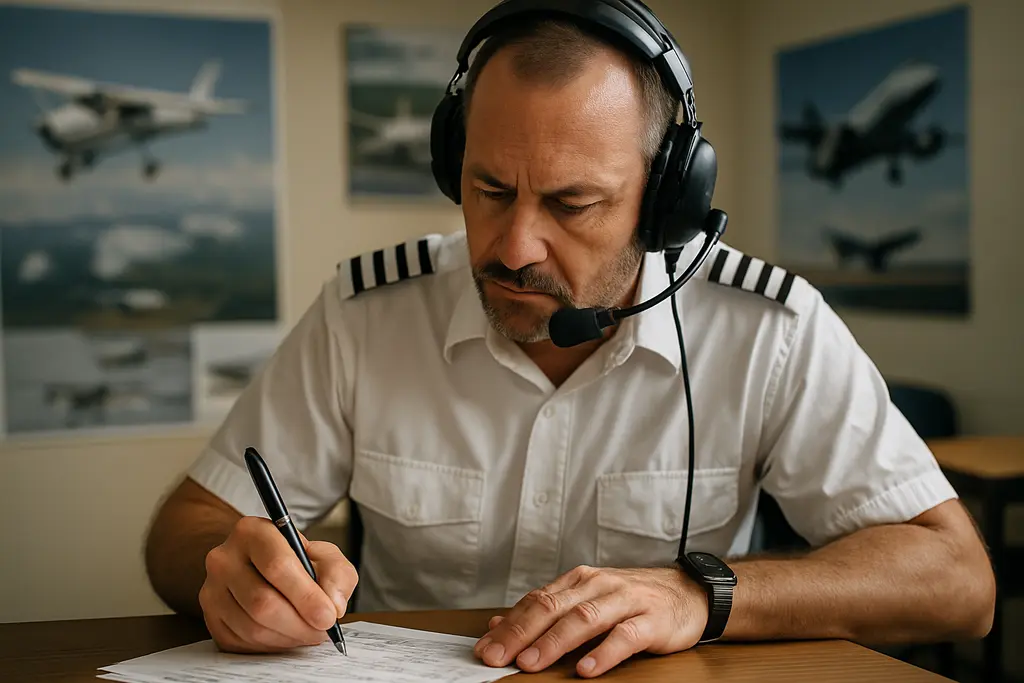
After getting my Commercial Pilot License, I expected a hero’s welcome. What I got was far less glamorous. The real deal with pilot jobs is this: your license shows you can fly, but doesn’t ensure you land a job.
Earning a CPL is a big deal. It means flying more skillfully, following strict rules, and thinking fast during emergencies. So, if you wonder what a commercial license is good for, know it’s a lot. But finding the right job might take time.
Job ads often demand a lot of flying hours, saying a pilot should have over a thousand. They mention 500 hours as a minimum because it saves them training costs. It’s not about experience; it’s about saving money.
Becoming a CFI is like an advanced course with practical exams. For those with a CPL, teaching is a smart choice. It keeps you flying, piles up your flight hours, and offers steady work. Even jobs at airports count, since being in the scene helps.
What is a CFI?
A Certified Flight Instructor (CFI) is who turns your dreams of flying into reality. They transform “I watched a landing video once” into “I know how to fly an airplane safely.” It’s a special kind of service that has more excitement than regular meetings.
In simple words, a CFI gets paid to share their knowledge of flying. It’s similar to being a commercial pilot but also helps you build up your flying hours. When the requirements for becoming a pilot get tough, being an instructor helps you keep moving forward in your career.
CFIs are at the heart of what’s new in flight training and hiring. Flight schools know what the industry wants now, not what was needed last year. Great training programs focus on more than just flying. They include lessons on making decisions, working as a team, and handling tough situations.
In the vast world of aviation, being an instructor is just one option. It’s good to understand how being a CFI can complement other aviation careers. These roles might not be with airlines but they still value your flying skills and decision-making.
| Career lane | What you do day to day | Why it shows up on a pilot job list | Skills it builds for commercial pilot opportunities |
|---|---|---|---|
| Certified Flight Instructor (CFI) | Teach maneuvers, coach risk management, run briefings, and prep students for practical tests | Schools hire year-round; demand follows training cycles more than airline headlines | Communication, judgment under pressure, consistent SOP habits, steady PIC time |
| Aerial surveying | Fly precise lines, manage sensors, and keep stable profiles for data capture | Project-based work that spikes with infrastructure and mapping contracts | Precision flying, endurance, planning, weather discipline |
| Aerial photography | Coordinate with camera ops, orbit targets, and manage airspace and timing | Seasonal and event-driven; common entry point for time-building | CRM-style coordination, situational awareness, smooth aircraft control |
| Agricultural aviation | Low-level application flights with tight turnarounds and strict safety margins | Specialized hiring; often regional and experience-sensitive | Energy management, threat awareness, disciplined decision-making |
| Cargo and specialty ops | Move freight, fly scheduled routes, handle loading constraints and night operations | Often a stepping-stone role with clear hour requirements | IFR rhythm, reliability, operational mindset, real-world tempo |
CFI Requirements and Prerequisites
Before I can teach flying, I need to prove my skills. This starts with a good education, since aviation relies heavily on understanding systems. Then, I must complete rigorous flight training. The FAA is strict about who they allow to teach.
To start teaching, I must have a Commercial Pilot License (CPL). This license lets pilots get paid for flying. It shows that with a CPL, you can fly for money, following your certificate’s rules.
However, the field has an unexpected turn. Even with a CPL, many jobs want more flight hours than new pilots have. So, becoming a CFI is both a job and a chance to gain experience. It teaches you to explain flying, not just do it.
There are several paths to becoming a CFI, but no easy ways—just different speeds. Some train at local schools, others at college programs, or through the military. Whether it’s a flying club or an independent teacher, it’s vital that the training is recorded properly and meets the required standards.
In the U.S., FAA rules shape your training and paperwork. Part 61 offers flexibility and lets you learn at your own pace. Part 141 has a strict, FAA-approved plan, making it feel like you’re back in school.
| Requirement Area | What It Means in Real Life | Why It Matters for CFI | Typical U.S. Path Options |
|---|---|---|---|
| Foundational education | Comfort with math, weather, reading regs, and clear communication | Explaining aerodynamics is hard if you can’t explain a spreadsheet | High school baseline, community college aviation courses, structured ground school |
| Commercial pilot certificate (CPL) | Legal ability to fly for compensation within certificate privileges | Answers what can you do with a commercial license and sets you up for paid flying roles | FAA Part 61 or Part 141 training programs |
| Flight hours baseline | Meeting minimum aeronautical experience to qualify for the CPL | Many careers with a CPL still want more time, so CFI becomes an hour-building bridge | Part 61 often targets 250 hours minimum; Part 141 can be 190 hours minimum |
| Structured training checkpoints | Regular evaluations, progress checks, standardized lesson flow | Builds the discipline you’ll need when you’re the one signing logbooks | Part 141 stage checks; Part 61 instructor-led milestones |
| Work-ready judgment | Decision-making, risk management, and operating without supervision | Students copy what you do, not what you say you do | Flight school operations, flying clubs, freelance instructor mentorship, military flying culture |
If you’re thinking about flying careers with a CPL, remember it’s about earning trust. The CFI certificate means the FAA believes you’re skilled and ready to teach. Because soon, you’ll help someone else take their first solo flight.
CFI Training: What’s Involved?
CFI training makes me shift from “a pilot who flies” to “a pilot who explains.” It feels odd, like doing commentary while playing the game.
Flying becomes neater, communication clearer, and you face up to what you don’t know yet. That’s the whole idea. If you struggle to teach a steep turn simply, flying keeps you modest.

Programs mix advanced flying with thorough ground instruction. You practice maneuvers, identify mistakes quickly, and create concise lesson plans. The aim is to manage real situations and justify decisions on the spot. This is crucial because commercial flying roles don’t pay you for mistakes.
The coursework dives into regulations, endorsements, logbooks, and handling risks. It covers decision-making and teamwork in communication too. These become vital when conditions change or a trainee hesitates.
CFI hopefuls come from various training backgrounds: big academies, clubs, colleges, independent teaching, youth programs, and the military. If you’re targeting a career with airlines, understanding how many flying hours you need is key. This airline pilot requirements guide is a solid starting point. It explains the race for instructing hours and the impact of ATP requirements on your career plans.
Both money and time guide your training path. CFI training is hard and can cost a lot. But many pilots view it as their step toward regular commercial flying jobs, not just an extra activity.
| Training Focus | What You Practice | Why It Matters for commercial pilot jobs |
|---|---|---|
| Teaching technique | Lesson plans, clear briefings, error correction, student evaluation | Employers look for pilots who can communicate and standardize their work. |
| Advanced flight proficiency | Precision maneuvers, stalls, slow flight, emergency responses, scenario training | This leads to safer flights and better decisions during challenging situations. |
| Regulations and accountability | Endorsements, decision-making, risk management, keeping records | Compliant flying is rewarded, while careless paperwork has consequences. |
| Professional cockpit habits | Organizing tasks, giving briefings, sharing the workload, communicating calmly | These habits are essential for commercial pilots working with a crew. |
- Expect to talk more than you fly, especially at first.
- Expect evaluations based on your thought process, beyond manual control.
- Expect the standards to rise, as you’re now setting the example.
CFI Written and Checkride
When it comes to aviation, joking stops and official protocol starts. The CFI written exam is tough, more about testing your knowledge than having fun. I once thought flying was all about the “feel.” But the FAA wants proof of what you know.
The journey to becoming a commercial pilot is clear: ground school, flying hours, a written and then a flight test. There are specifics, like 40 hours in a classroom, more than 65 in the sky, with hours for piloting alone, with a teacher, at night, far from home, and using instruments. You have to log everything, sign off on it, and make sure it’s verified.
The CFI checkride really tests if you can teach authentically. It focuses on real situations: managing risks, making decisions, and teaching tough concepts for real challenges. If you can’t explain how to do something clearly, the plane will show that immediately, proving the truth right there.
If you’re wondering about the benefits of a commercial license, getting a CFI certification makes it clear. You have to fly well, but you also need to teach others to do the same. That’s why your training record is so important to future employers, almost like how they view your credit.
| Checkpoint | What it tests | What you bring | What examiners watch for |
|---|---|---|---|
| CFI written exam | Regulations, aerodynamics, endorsements, instructional methods | Study plan, organized notes, strong FAR/AIM habits | Clean concepts, not memorized slogans |
| Oral portion | Lesson flow, scenario judgment, practical teaching choices | Lesson plans, clear briefings, calm pacing under pressure | Whether you can explain “why” without spiraling |
| Flight portion | Maneuvers to ACS standards while teaching them | Demonstration quality, error correction, cockpit management | Safety margins, workload control, honest self-correction |
| Paperwork and endorsements | Record accuracy and legal compliance | Logbook discipline, correct endorsements, tidy documentation | Small errors that can derail big plans |
In the end, testing always follows a strict model: prove your skills, keep everything documented. It’s not the most fun, but it means you can go places. For those curious about a commercial license’s value, remember, this is when the aviation world starts to take you seriously. It matters on paper, in the sky, and for future job opportunities.
Why Become an Instructor?
I chose to be a CFI for influence, leverage, and to see the system’s inner workings. With a CPL, flying for pay is possible, but starting positions are competitive. Many jobs require more experience and specific qualifications, leading to long waits, similar to a never-ending TSA line.
Instructing emerges as not just a backup but a smart move. Schools are always on the lookout for instructors, students are plentiful, and you can quickly accumulate flight hours. For those with a CPL, teaching is a direct route to transforming a license into market value.
Also, teaching demands that you master the material. Your students will pinpoint any weakness in your knowledge under challenging conditions. Though frustrating at first, these moments become invaluable learnings.
From an employment perspective, seasoned instructors save flight schools money and mitigate training risks. While instructing, I gain insights from examiners, top instructors, and visiting recruiters. Such firsthand knowledge is more influential for a career than glossy brochures.
If you’re interested in the numbers and long-term benefits of teaching, this flying instructor overview explains demand and compensation. Simply put, teaching is not only a reliable job but also a strategic stepping stone to greater opportunities.
| What I’m optimizing | CFI instructing gives me | Why it matters for employers | How it strengthens careers with a CPL |
|---|---|---|---|
| Flight hours | High-frequency flying and repeatable lessons | More total time with fewer “cold starts” in training | Faster path from entry-level eligibility to stronger commercial pilot opportunities |
| Decision-making | Constant risk checks: weather, students, aircraft limits | Shows judgment, not just stick skills | Makes careers with a CPL feel less like a lottery and more like a plan |
| Communication | Briefings, debriefings, and clear cockpit language | Reduces training costs and operational errors | Helps stand out in interviews for commercial pilot opportunities |
| Network and hiring signals | Daily contact with examiners, schools, and local operators | Hiring often follows trusted referrals | Turns careers with a CPL into relationships, not just applications |
Being an instructor isn’t about the romance of flying. It’s about the practical benefits. It pays for flying practice, builds your network, and keeps you in touch with the hiring market. All while your flight hours grow, quietly opening doors to future opportunities.
Pros and Cons
I used to think being a CFI was just extra work now for better chances later. But seeing the training world up close changed my mind. It’s like having backstage access at a concert—noisy, packed, and filled with insider info.
Looking at jobs for commercial pilots, instructing stands out as a solid choice. It provides consistent flying and teaching. Plus, it’s a quick way to accumulate flight hours outside of the hiring seasons.

| Pros | Cons |
|---|---|
|
High demand for instructors means stable full-time jobs as you rack up hours quickly. You’re in the training loop, noticing changes in staffing and demand early on. Daily experience sharpens skills like judgment, managing risks, and clear communication. Those are key for employers. |
Getting the CFI add-on is costly and tough. Many jobs still want you to have over 500 hours of flying time. The competition at the entry-level is tough, with many chasing the initial roles. |
The upside is clear: you teach and fly, becoming better at making complex things simple under stress. This kind of leadership is appealing in any setting, showing your versatility with a commercial license.
The downside is stark: it’s hard work, and the industry remains tough. Becoming a CFI is a wise move in a crowded field, yet it requires discipline, investment, and patience. Don’t expect an easy ride to the top.
How to Start Teaching
Teaching starts with getting the right credentials, being in the right place, and a bit of luck. It’s not as fancy as it sounds, but being close to the action helps a lot. If you’re around the flight area, briefing room, or dispatch, you’re steps ahead of many.
The quickest way to start is to choose a path and stick to it. You could join a flight school, a college, a flying club, or teach on your own. The goal is to stay active, log your flights, and meet the folks who make the schedules.
Then, you need to decide between FAA Part 61 or Part 141. Part 61 gives you flexibility and fits if you’re juggling work or bills. Part 141 is more organized, with a strict plan to follow, similar to traditional school.
Flying hours are a big deal because they’re what everyone talks about. Under Part 61, you usually need 250 hours. Some Part 141 programs might only ask for 190 hours. This difference affects your time, money, and how quickly you can start teaching for real.
| Training route | How it tends to feel | Typical pace control | Commercial hour minimum often used | Best fit when you want to start teaching |
|---|---|---|---|---|
| FAA Part 61 | Mentor-driven and adaptable; great when weather and work don’t “respect your calendar” | You set it with your instructor | 250 hours (common CPL minimum) | Flexibility, quick pivots, and more tailored prep for early instructing |
| FAA Part 141 | Structured, standardized, and checkpoint-heavy; like a syllabus with teeth | The program sets it | 190 hours (if the program is approved for reduced hours) | Clear milestones, tight compliance habits, and predictable training blocks |
| Community college aviation program | Academic rhythm with flight labs; less “lone wolf,” more cohort energy | Semester-based | Depends on whether it’s Part 61 or 141 aligned | Credentials plus network, which quietly improves your pilot job list options |
| Flying club or independent instruction | Social, scrappy, and practical; you learn local ops fast | Shared availability | Varies by pathway | Building students through relationships and referrals, not marketing slogans |
If you prefer a personal touch, consider Leopard Aviation for your Part 61 journey. Their approach focuses on skill development, decision making, and understanding different pilot roles. It all boils down to being consistent and having a clear plan.
Don’t overlook jobs at the airport that might seem mundane. Working on the line, at the dispatch desk, or at the front can teach you a lot. Plus, being visible in these roles often leads to more opportunities.
To kickstart your teaching career effectively, here’s my advice:
- Choose between Part 61 and Part 141, considering your time, money, and learning style.
- Pick an airport where you can really engage, not just be on call.
- Talk to schools about how instructors get students and other opportunities.
- Keep track of your hours and endorsements carefully.
- Constantly look out for pilot jobs and align your teaching to those needs.
Teaching begins when you can explain things simply, without relying on complicated terms. The true skill is giving clear instructions when a student feels stressed and the radio won’t stop.
Making the Most of Your CFI
I want to get the most out of being a CFI: more flying hours, credibility, and options. Instructing lets you fly regularly by just doing your job. It’s not fancy, but it beats renting a tiny apartment in Manhattan.
Being a CFI helps when you’re new with a commercial pilot license (CPL) and need experience. It’s like getting two benefits in one: you get paid to fly and you practice making decisions and managing risks daily. These skills look good in your flight log and during job interviews.
Networking matters, too. Small companies prefer pilots who fit in quickly without costing training money. By building a good local name, your next job could be flying a charter, working seasonal tours, or filling in at a corporate job.
Many think having a commercial license is just about flying for airlines. But really, the field is vast, with different rules, pay, and seasons in each category.
| Path | Why it can fit careers with a CPL | What operators tend to screen for | Reality check |
|---|---|---|---|
| Air charter (Part 135) | Structured flying with professional SOPs and crew habits | Time in type or similar aircraft, strong instrument skills, clean decision-making | Hiring can swing with the economy and insurance requirements |
| Sightseeing and air tours | High-volume takeoffs and landings, local knowledge, customer-facing polish | Short-field accuracy, radio discipline, calm temperament with passengers | Seasonality is real; weather can cut hours fast |
| Ferry flying | Cross-country experience and real-world planning reps | Route planning, weather judgment, endurance, paperwork competence | Trip pacing can be unpredictable; downtime is part of the job |
| Aerial photography and survey | Mission flying that rewards precision and stable aircraft control | Altitude/airspeed discipline, coordination with camera or sensor crew | Long, repetitive legs; the “fun” wears off by hour three |
| Traffic watch | Consistent local flying with strong ATC and situational awareness practice | Hold patterns, fuel planning, clear comms under workload | Schedules can start early and run long during major events |
| Banner towing | Stick-and-rudder skills with niche demand in coastal markets | Energy management, tow procedures, comfort in busy airspace | Higher risk profile; training and insurance gates are common |
| Pipeline/powerline patrol | Low-level tracking work that builds scanning and navigation discipline | Terrain awareness, steady maneuvering, precise route adherence | Monotony and turbulence can be a daily combo meal |
| Agricultural flying | Specialized route that can become a long-term niche career | Tailwheel skills, low-level judgment, strong training record | High barrier to entry; it’s not a casual weekend hobby |
I plan to avoid a shaky schedule by spreading out my work. Some companies that do aerial photos also handle surveying or patrols. Being good at different tasks helps your income stay steady. That’s the hidden plus of having a CPL: flexibility, if you’re smart about it.
So, if you’re asked what you can do with a commercial license, think strategy. Teach, pile up hours, get good recommendations, and be ready to change gears. In aviation, being versatile pays off. You might teach one day and fly a mission the next, all without stressing.
Career Advancement After CFI
After I get my CFI, climbing the career ladder becomes more concrete. Now, hours, recent experience, and timing are key. The CFI isn’t just a milestone—it’s the start of building the detailed logbook that commercial pilot jobs require.
To move forward, a commercial pilot certificate is crucial. Yet, real progress happens as I aim for ATP qualifications. This path involves gaining more flight hours, honing instrument skills, and maintaining a clean training record. It’s hard work but opens up real career opportunities.
The aviation industry has two main paths: the corporate side and the hands-on flying jobs. Corporate roles offer stability and prestige but need lots of experience. On the other hand, jobs like cargo or firefighting can be quicker to get into. However, they may offer less predictability in pay and job security.
With my CFI, I can explore diverse roles in aviation, like cargo or corporate flying, based on my experience and additional training. In the airline world, seniority dictates a lot—schedule, routes, and lifestyle depend on it. Essentially, in this field, actions and experience in the logbook matter more than just my goals or attitude.