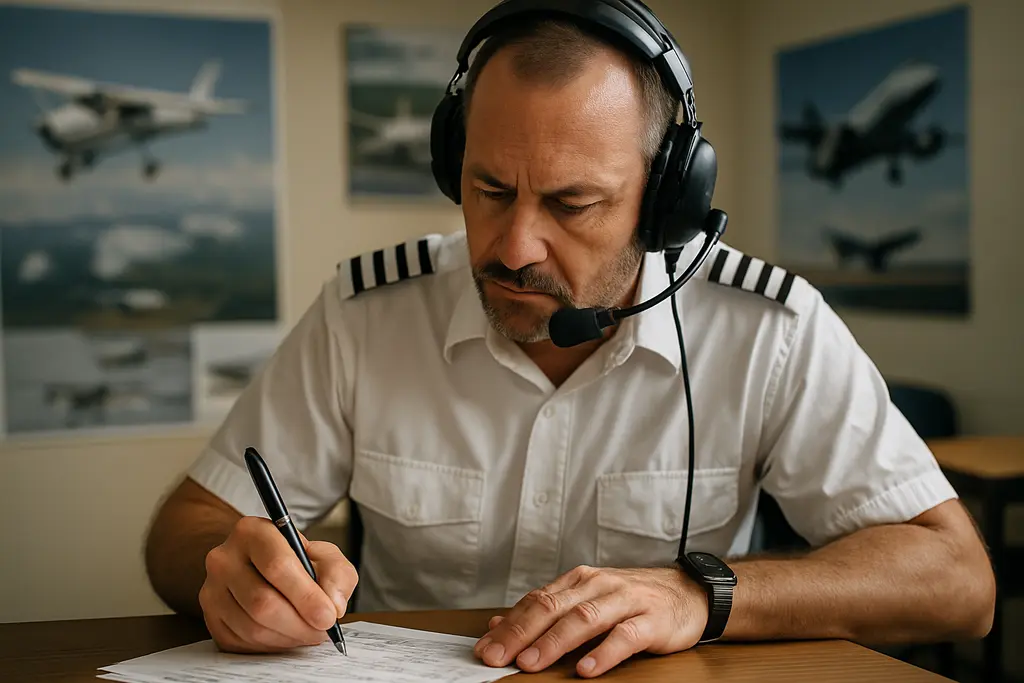
In the CFI world, logos in a logbook often count more than confidence. They stand as the boundary between approval and rejection. These records track training hours and flying skills. Their importance goes beyond first impressions.
Under 14 CFR Part 61, dealing with paperwork is essential, similar to checking the plane in bad weather. You might not like it, but it’s part of the job. Paperwork proves our training and experience, not just our gut feelings or hopeful guesses.
Here’s something ironic: 14 CFR 61.189 requires my signature on every training session I conduct, and it must be clear. At the same time, 14 CFR 61.51 lists what needs to be noted down for these sessions. It doesn’t matter how motivated I was, the rules focus on the facts.
Interestingly, I don’t have to keep copies of these records. It’s like the FAA trusts us with the records, but an inspector could always ask questions. This situation puts a unique spin on trust within the CFI community.
So, how does spin training fit into all of this? It exists at the crossroads of skills, safety, and keeping good records. In the following sections, I’ll explain the reasons behind spin training and the requirements, guided by AC 61-65H. It offers clear guidance for endorsements that hold up under scrutiny.
Why Spin Training is Essential for CFIs
Spin training is more than a tradition. It shows that teaching flight is about managing risks, not just sharing knowledge. That pen I hold? It’s not just for giving compliments. It authorizes real flying rights.
Signing CFI endorsements isn’t like giving out rewards. It’s about judging skills. And sometimes, it feels like I’m stepping in for the FAA. This is when the idea of legal responsibility becomes very real for every flight teacher.
Students can get into trouble unexpectedly. They might be flying too low, get distracted, or think the plane will handle itself. Knowing how to enter and recover from spins helps me guide them safely back.
The Aviation Instructor’s Handbook emphasizes risk management and thinking ahead for a good reason. A spin isn’t just about flying. It’s about being surprised, delaying reaction, and making mistakes quickly. Training helps me recognize warning signs before they lead to trouble.
| What spin training sharpens | Why it matters during instruction | How it supports endorsements |
|---|---|---|
| Recognizing the build-up to a spin | Prevents a “surprise” stall from turning into loss of control | Strengthens judgment behind flight instructor endorsements tied to readiness |
| Decisive, repeatable recovery steps | Reduces hesitation when the student freezes or over-controls | Makes CFI endorsements feel like a measured authorization, not a guess |
| Teaching with a calm, simple flow | Keeps the cockpit from turning into a debate club at 3,000 AGL | Supports instructor legal responsibility by showing disciplined methods |
Spin training makes my teaching clearer. Instead of just saying “don’t do this,” I explain the reasons behind each action. This makes me a more confident instructor, not a nervous one.
When I approve a CFI endorsement, I want it to stand for true skill, not just hope. The Aviation Instructor’s Handbook values standards and consistency. When it comes to spins, it’s about understanding physics and taking responsibility.
Regulatory Requirements
I put on my “I read the CFR so you don’t have to” glasses, and yes, they’re smudged with coffee. The main point is in 14 CFR 61.189: I need to sign the pilot’s logbook when I give flight or ground training. And I must do it clearly. That’s not just a preferred way. It’s the actual rule.

Next, we have 14 CFR 61.51. Here, the logbook rules get specific. You need to note the date, time, aircraft details, and what the training covered. This turns a simple “we did spins” note into a solid, official record. It’s like filling out a tax form.
Here’s the catch with paperwork: I don’t have to keep every signed logbook entry forever. But, the rules on endorsements are strict. According to 14 CFR 61.189, once I endorse someone, I must keep a record of that. That’s when your administrative tasks really start.
And, because the FAA likes to link things, 14 CFR 61.195 outlines my limitations as an instructor. It ensures “I’m a CFI” doesn’t become “I’m a superhero.” To keep endorsements in line, I use AC 61-65H. It helps me ensure the language I use meets what the inspectors expect to see.
| Rule or Guidance | What it demands in plain English | What I write down | What I keep on file |
|---|---|---|---|
| 14 CFR 61.189 | I must sign the trainee’s logbook for training given, and endorsement recordkeeping kicks in when I endorse. | Clear signature, date, training description, and any required instructor details. | A record of each endorsement I gave, kept in my instructor records. |
| 14 CFR 61.51 | Defines what counts as a proper entry when training is logged. | Aircraft ID/category/class, total time as applicable, and what training was done. | Typically nothing extra for routine entries beyond the pilot’s logbook, unless it’s tied to an endorsement. |
| 14 CFR 61.195 | Sets instructor privileges and limits so training and endorsements stay within scope. | Notes that reflect training given within my authorized instructor privileges. | Support notes when an endorsement is issued, consistent with my instructor record system. |
| AC 61-65H | Offers FAA-accepted endorsement wording so the intent is unmistakable. | Endorsement text that tracks the advisory circular’s recommended language. | My saved endorsement record, matching the language I used. |
Yes, these requirements might seem picky. But having everything in order prevents problems later. Like when you’re trying to explain a missing endorsement at a checkride. Or during an unexpected ramp check that suddenly feels like you’re in court.
What to Expect in Spin Training
Spin training is like a controlled crash you can walk away from: you plan it, recognize what’s happening, and get out smoothly. There’s no room for deals with fate. It’s serious work meant to teach skills for dealing with flying surprises, just like emergency drills.
Training often begins with discussions on the ground. We go through a detailed plan and talk frankly about the risks. According to 14 CFR 61.195, it’s not just about doing a spin. It’s about recognizing danger signs, describing them clearly, and stopping problems before they grow.
Up in the air, we start with basics that might seem simple but are vital: making coordinated turns, knowing when a stall might happen, and keeping control smooth. Next, we move on to purposely spinning the plane, making sure each step is clear and timed right. Recovering from a spin isn’t a mystery—it’s a series of actions done consistently, even when everything in you wants to just wing it.
Then, you’ll learn to teach these techniques. This includes creating real-life scenarios, making quick decisions, and practicing how to explain actions in the moment. The FAA wants instructors who can recognize and explain errors, not just show how to do things right. This is crucial, as mistakes can escalate quickly if not handled properly.
Documentation is just as important; good vibes alone won’t cut it. Everything from logbooks to instructor endorsements needs to reflect exactly what and how you were taught, and your level of skill. If any details are vague, they usually become big issues at the worst times, like during an exam.
| Training element | What you’ll do | What your instructor will watch | What gets documented |
|---|---|---|---|
| Pre-brief and risk plan | Review aircraft limits, weather, altitude gates, and exit plans | Judgment, conservative margins, and clear go/no-go triggers | Logbook requirements aligned to lesson objectives and risk items |
| Recognition and setup | Practice cues: yaw, break, wing drop, and developing autorotation | Early detection and quick, simple corrections | Notes supporting CFI endorsements for instructional proficiency |
| Spin entry and recovery | Enter intentionally, then execute spin recovery procedures by the book | Step order, timing, and avoiding over-control | Record of maneuvers completed and standardization used |
| Scenario-based teaching | Talk through student errors and choose interventions in real time | Instructional clarity, workload management, and calm tone | Training coverage tied to abnormal and emergency procedures |
| Regulatory alignment | Connect the lesson to instructor qualification expectations | Whether you can explain the “why” behind each action | References and signoffs consistent with 14 CFR 61.195 |
Finding the Right Aircraft and Instructor
Choosing spin training isn’t like picking where to have brunch. The first step is clear but rigid. If your instructor isn’t qualified under 14 CFR 61.195, you’re not learning. You’re just paying for a fancy view.
Begin with what the FAA finds important. Under 14 CFR 61.195(b), your instructor must have the correct privileges. No bending the rules, pretending it’s the right plane, or promises that disappear when it’s time to sign your logbook.
Paperwork is key, just like with taxes. It’s boring but necessary. AC 61-65H shows the correct wording for endorsements. It tells if an instructor is up to date and thorough with their paperwork.
The plane you use is crucial as well. It must meet specific requirements for spins in its manual. It needs the right weight-and-balance and a strict maintenance routine. If the plane’s paperwork isn’t in order, no confident talk will make it safe for spins.
| What to Verify | What “Good” Looks Like | What Slows You Down |
|---|---|---|
| Instructor eligibility under 14 CFR 61.195 | Instructor shows certificate and privileges that match the training aircraft | Vague answers about “being allowed” or “it’s fine at this school” |
| aircraft category and class rating alignment | Both pilot and instructor ratings clearly match the exact category/class | Assumptions that similar aircraft “count” without checking ratings |
| Spin authorization in POH/AFM | Spins permitted and procedures are easy to point to in the book | “We don’t really use the book for that” or missing documentation |
| AC 61-65H endorsement wording | Endorsements written cleanly, consistently, and by the book | Sloppy logbook entries that create cleanup work later |
| CFI endorsements and training cadence | Clear plan, clear debrief, and training scheduled often enough to retain skill | Random lessons that feel like reruns, with no measurable targets |
I always ask: “How do you track results?” If they’re vague, I’m wary. Good instructors have a clear briefing and debriefing process. They know how to motivate students because they’ve seen what works.
For a quick way to judge an instructor, I recommend this guide. Start with a short trial period, then make your call. When the plane and instructor match up with rules, training becomes smooth and effective.
Spin Maneuvers: What You’ll Learn
Spin training reveals the airplane’s true nature. You’ll distinguish a common stall from a full spin. Then, you’ll master the steps for entering and exiting spins, even under stress.
While training to be a CFI, you’ll focus on how to teach. The FAA doesn’t just want skills; they want you to articulate the process. You need to quickly recognize mistakes and help correct them. This involves a lot of scenario-based training and decision-making.
You’ll also dive into the paperwork aspect. If you’ve done a solo endorsement, you get the idea. It’s about setting boundaries, acknowledging risks, and keeping neat records. This approach is crucial for CFIs, especially for high-stakes maneuvers.
Practically, you’ll learn to spot a spin early, control it before it worsens, and follow a reliable recovery method. You’ll then explain these steps clearly, as if you’re guiding through a critical moment in a story. For insights into why spin training is linked to instructing, check spin training and endorsements for a good read.
| What you practice | What you teach (CFI lens) | What you document |
|---|---|---|
| Pre-stall cues, coordination, and the first signs of a break | How to brief “what right looks like,” then catch the first wrong input early | How AC 61-65H Appendix A language supports precise logbook entries |
| Entry setup, incipient phase recognition, and control effectiveness changes | Scenario setup: distraction, overshoot, or a rushed base-to-final correction | How flight instructor endorsements reflect training given and proficiency observed |
| Recovery flow and verifying the airplane is flying again before cleanup | How to coach step-by-step without overloading the student in the moment | How you connect performance to standards without turning the logbook into a novel |
Essentially, you’re mastering two skills at once: how to fly and how to teach. The flying part is about perfecting your spin entry and exit. As for teaching, you’ll learn to explain things plainly, evaluate accurately, and sign off only when someone truly earns it.
Post-Spin Training: Keeping Skills Fresh
Spin skills are like milk, avocados, and my first-time teaching confidence. They go bad. The fix is simple yet effective: practice, review, and repeat. Treat staying sharp as a crucial habit, not something easily forgotten.

My approach is straightforward: short practice sessions, clear objectives, and honest feedback. This last bit is key. Logbook requirements focus on specifics—what you did, when, and its relevance later.
Staying current has its rules. 14 CFR 61.57 talks about “recent experience” needed. It’s easy to mix up being legal with being prepared. I can be current but still feel out of practice, a scary thought at 3,000 feet.
There’s also the pressure from 14 CFR 61.56. A flight review isn’t spin training, but it’s a good chance to practice stalls and recovery. If you’re a CFI, it’s a time to check your teaching habits, too.
As an instructor, I’m diligent with my paperwork. 14 CFR 61.189 makes me keep detailed records of training and endorsements. This includes notes on spin practice in my logs. It’s not the most fun, but it’s better than explaining gaps later on.
- Fly it: brief the entry, do the maneuver, recover as trained, then change one thing and try again.
- Talk it: say out loud what’s happening—buffet, yaw, break—so it’s less scary next time.
- Log it: note what the lesson was about and what got better, keeping logbooks clear and relevant.
| Keep-Fresh Habit | What I Practice | Why It Helps | Reg or Record Tie-In |
|---|---|---|---|
| Quarterly proficiency hop | Power-off stalls, recognizing incipient spins, quick recovery | Helps identify patterns before they surprise you | Shows clear record of tasks in logbooks |
| Currency cross-check | Review recent experience before busy flying periods | Avoids mistakes in thinking you’re current | Connects to 14 CFR 61.57 requirements |
| Flight review tune-up | Practicing stalls and decisions, followed by a review | Turns the flight review into a chance for skill improvement | Meets 14 CFR 61.56 needs |
| Instructor record discipline | Keeping detailed endorsement and training records | Makes instruction easier to defend and review | Aligns with 14 CFR 61.189 duties |
Think of all this as being a responsible adult, but in the cockpit. Keeping your skills on spins and stalls sharp is about consistent habits. You get smoother recoveries, less panicked students, and less reliance on the plane to teach you the hard way.
Myths and FAQs
Every year, I hear a common myth: “Spin training isn’t needed if you’re careful.” It’s like believing seatbelts are unnecessary for those who “drive carefully.” While spins are rare, knowing the signs isn’t. Training reduces the shock and speeds up recovery, setting a safe example as the pilot.
There’s also this myth: “A plane certified for spins will always self-recover.” Sometimes true, sometimes not, and sometimes it works after losing much height. Real spin training focuses on quick recognition, correct responses, and avoiding wrong moves. It’s more about following procedures than being a movie hero—like muting before you sigh on a video call.
Then, people worry about mixing up endorsements and TSA requirements as if it’s all the same. It isn’t. A simple approach is best: note what you checked, its importance, and its validity period. Because an overlooked detail in a log can spoil your day quicker than a faulty headset.
When someone says “TSA rules are for big airports only,” I show them 49 CFR 1552.3 and let them think. And if they claim “guidance isn’t clear,” I point out AC 61-65H A.14 has its purpose. The real mistake isn’t finding the rules complex; it’s thinking you can overlook them and remain a pro.