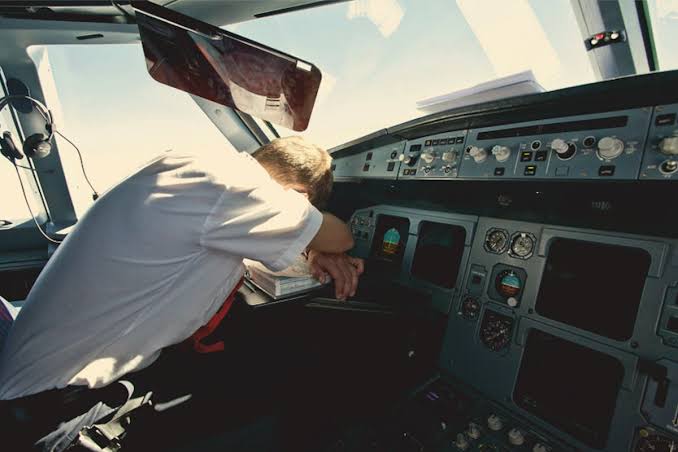
A career in commercial aviation demands peak cognitive performance at all hours of the day and night. Crossing multiple time zones and flying late-night cargo routes completely disrupts your natural biological clock. Failing to manage your rest degrades your reaction times to the level of legal intoxication, severely compromising flight safety. The Federal Aviation Administration explicitly targets airline pilot fatigue through Part 117 regulations, forcing carriers to implement scientifically backed rest limitations. Complying with these federal rules only establishes a minimum baseline. To survive a thirty-year career without burning out, you must treat sleep as a critical preflight duty. Adopting strict sleep strategies directly supports your longevity, allowing you to carry safe habits all the way to a Part 121 captain’s seat.
Decoding Part 117 And Federal Rest Mandates
Historically, the aviation industry treated fatigue as an unavoidable hazard. Regulations offered minimal protection, allowing schedulers to push flight crews to their physical limits. The implementation of Part 117 flight and duty regulations found in the Code of Federal Regulations fundamentally changed how airlines schedule their pilots. These rules calculate legal duty limits based on the exact time of day you report to work and the number of flight segments you fly. Reporting for duty at 4:00 AM severely restricts your legal flight time compared to an afternoon departure.
Part 117 requires airlines to guarantee crews a ten-hour minimum rest period between duty assignments, mandating an uninterrupted eight-hour sleep opportunity. This regulation shifts the responsibility onto both the airline and the aviator. The company must provide the time, but the pilot must actively use that time to sleep. If you report to the flight deck exhausted from sightseeing on your layover, you directly violate federal law.
The Science Of Circadian Rhythm Disruption
Your body operates on a natural twenty-four-hour cycle known as the circadian rhythm. This internal clock dictates when your core temperature drops and when your brain releases melatonin. Operating a heavy jet at 3:00 AM forces you to perform highly complex mental tasks during your biological circadian low. This misalignment causes massive drops in alertness and analytical reasoning.
When you bid for your monthly schedule, try to maintain a consistent sleep window. If you fly late-night sequences, keep your sleep schedule anchored to that pattern even on your days off. Constantly shifting from early morning departures to late-night arrivals creates a permanent state of jet lag, drastically increasing your risk of an operational error.
| Biological Factor | Peak Risk Period | Pilot Countermeasure |
| Circadian Low | 0200 to 0600 (Home Base Time) | Increase flight deck communication and task verification. |
| Sleep Inertia | First 30 minutes after waking | Allow adequate time to wake fully before conducting a briefing. |
| Acute Sleep Loss | Under 6 hours of sleep | Utilize strategic caffeine consumption early in the duty period. |
NASA Fatigue Countermeasures And Strategic Napping
Relying entirely on coffee to force yourself awake eventually leads to a physiological crash. Specialized research programs, including the NASA Fatigue Countermeasures Laboratory, continuously study the exact impact of sleep loss on flight operations. Their studies prove that strategic napping provides the most effective defense against sudden microsleeps on the flight deck.
The FAA currently prohibits planned sleeping in the cockpit for domestic operators, but international carriers frequently authorize controlled rest in the seat. For domestic pilots, you must utilize your crew room time or hotel layovers for tactical naps. Limit your naps to thirty minutes or less to avoid entering deep, slow-wave sleep. Waking up from a deep sleep cycle triggers severe sleep inertia, leaving you feeling groggy and disoriented for up to an hour.
Optimizing Hotel Sleep Hygiene
A major component of surviving the airline lifestyle involves getting quality rest in constantly changing hotel environments. You cannot control the noise level in the hallway or the sunlight hitting the window, but you can control your immediate sleep space.
When you arrive at the hotel, immediately set the room thermostat to a cool temperature, ideally between sixty-five and sixty-eight degrees Fahrenheit. Clip the blackout curtains tightly together using a pants hanger from the closet to block out streetlights. Always pack heavy-duty foam earplugs and a contoured sleep mask in your flight bag alongside your standard aviation resources. Treating your hotel room strictly as a dark, quiet recovery zone conditions your brain to fall asleep faster, regardless of what time zone you currently occupy.
Final Thoughts
You cannot beat human physiology with willpower. A fatigued pilot compromises the safety margins of the entire aircraft. Tracking your sleep debt and managing your rest periods off-duty guarantees you bring a sharp, analytical mind to the flight deck. Respect your biological limits, utilize strategic napping when appropriate, and prioritize your hotel sleep hygiene to maintain a safe, sustainable career in commercial aviation.