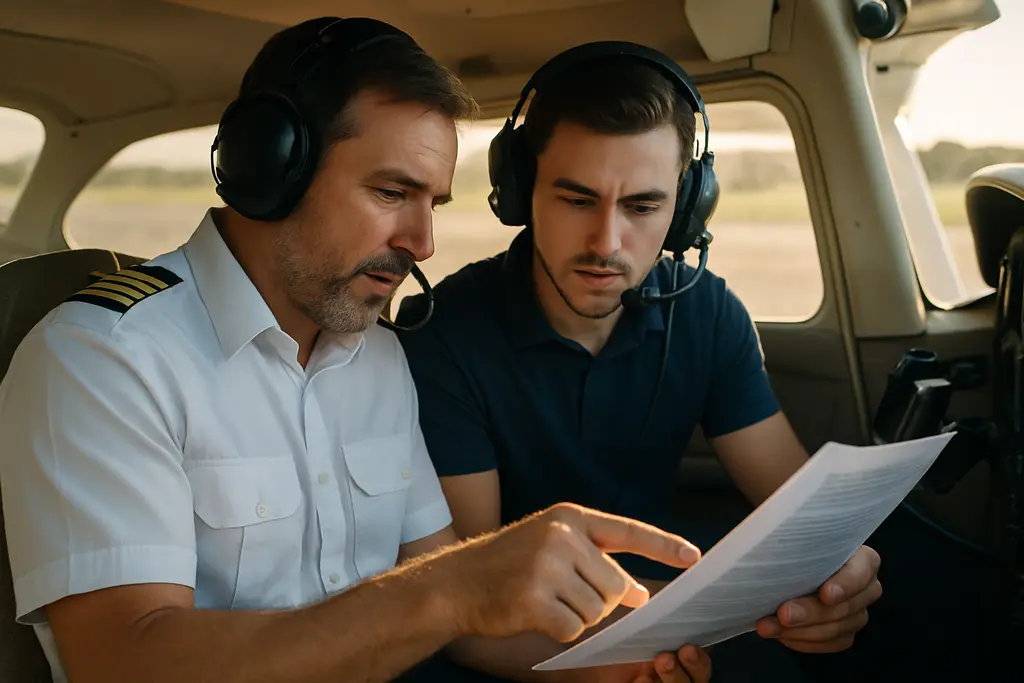
Every aspiring professional pilot faces the same daunting mathematical reality after passing their initial checkride. The gap between a newly minted private pilot and a commercial aviator requires hundreds of hours in the logbook, and crossing the 1,500-hour threshold for an Airline Transport Pilot (ATP) certificate demands even more. Understanding exactly how to build flight hours without accumulating crushing debt is a fundamental skill that requires as much strategic planning as a complex cross-country flight. Rather than simply renting a traditional trainer at premium retail rates, savvy aviators analyze the aviation market to secure affordable flight time that simultaneously enhances their aeronautical decision-making.
If you are figuring out how to build flight hours efficiently as a student pilot, you must transition your mindset from a consumer of flight training to an active manager of your aviation career. Establishing a solid plan early on is crucial, requiring you to familiarize yourself with the FAA regulations on logging pilot-in-command time to ensure every minute recorded legally counts toward your next rating.
Leveraging Flying Clubs And Aircraft Partnerships
When searching for low-cost hour building solutions, traditional flight schools are rarely the most economical choice. Flight schools operate on profit margins that must account for heavy scheduled maintenance, administrative overhead, and expensive commercial insurance premiums. In contrast, non-profit flying clubs or equity aircraft partnerships distribute the fixed costs of ownership across multiple members. By paying monthly dues, pilots gain access to aircraft at highly reduced “dry” or “wet” rates. This financial structure heavily favors the pilot who intends to fly fifty or more hours a year, rapidly lowering the average cost per hour.
Joining a well-managed flying club also provides an invaluable networking environment. You surround yourself with experienced aircraft owners, mechanics, and high-time instructors who can offer mentorship outside of a strictly structured syllabus. Fully integrating into the lifestyle of general aviation pilots through these local communities often uncovers hidden opportunities for ferrying aircraft or splitting cross-country expenses that are never advertised to the general public.
Strategic Hour Building Methods At A Glance
| Hour Building Method | Cost Structure | Operational Advantage |
| Flying Club Membership | Monthly dues plus a reduced hourly wet or dry rate. | Excellent availability for multi-day cross-country trips without daily minimums. |
| Safety Pilot Operations | Hourly rental rate split evenly between two pilots. | Rapidly builds cross-country and simulated instrument time simultaneously. |
| Glider Towing | Volunteer or entry-level commercial wage; pilot flies for free. | Develops exceptional stick-and-rudder skills and precision energy management. |
Mastering Safety Pilot Operations For Affordable Flight Time
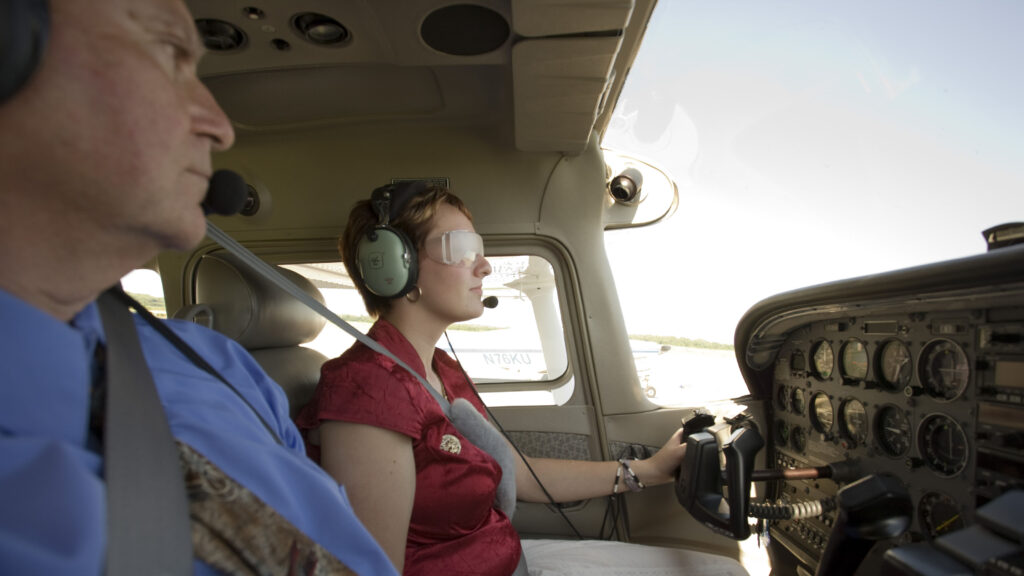
One of the most effective methods to cut flight costs exactly in half is to fly as a safety pilot. According to federal regulations, when one pilot is flying under the hood in simulated instrument conditions, a second qualified pilot must occupy the right seat to watch for traffic. Because the safety pilot is a required crew member for that specific visual scanning operation, both pilots can legally log pilot-in-command (PIC) time for the duration of the simulated instrument flight. This regulatory allowance is the absolute gold standard for securing affordable flight time.
To maximize the value of this arrangement, pilots must ensure they strictly adhere to the official FAA Code of Federal Regulations regarding currency, medical requirements, and appropriate aircraft category ratings before acting as a required crew member. Splitting the Hobbs meter reduces the financial burden by fifty percent, but it also provides a highly analytical environment where two pilots can constructively critique each other’s standard operating procedures, radio calls, and instrument scans.
Transitioning To Entry-Level Aviation Operations
Once a pilot achieves their commercial certificate, the strategy shifts from paying for flight time to convincing operators to let you fly their aircraft. While the flight instructor (CFI) route is the most traditional path, alternative operations like glider towing, skydiving operations, and aerial survey work offer robust hour-building environments. Towing gliders, for instance, demands a high degree of precision and teaches profound lessons about mountain weather and thermal activity. You can often find regional soaring organizations through the Soaring Society of America, which frequently look for competent commercial pilots to operate their tow planes during the busy summer months.
These specialized flight operations expose low-time pilots to demanding, high-cycle environments. Flying a jump plane or a pipeline patrol route requires managing an aircraft right at its maximum gross weight and mastering complex airspace integrations on every single sortie. This intensity prevents the complacency that often occurs when a pilot simply bores holes in the sky with no distinct mission profile.
Final Thoughts
The journey to the commercial pilot flight deck is as much a test of financial endurance as it is a test of aeronautical skill. Building hours aimlessly will ultimately drain your bank account and leave you with a logbook full of empty experience. The most successful aviators are those who strategically blend flying clubs, safety pilot partnerships, and specialized aviation jobs into a cohesive career plan.
Just as you meticulously prepared the fundamental skills required for your first solo flight success, you must now apply that same analytical rigor to managing your logbook. By aggressively pursuing low-cost hour building options and maintaining a sharp focus on continuous proficiency, you ensure that every dollar spent directly advances your position within the professional aviation industry.