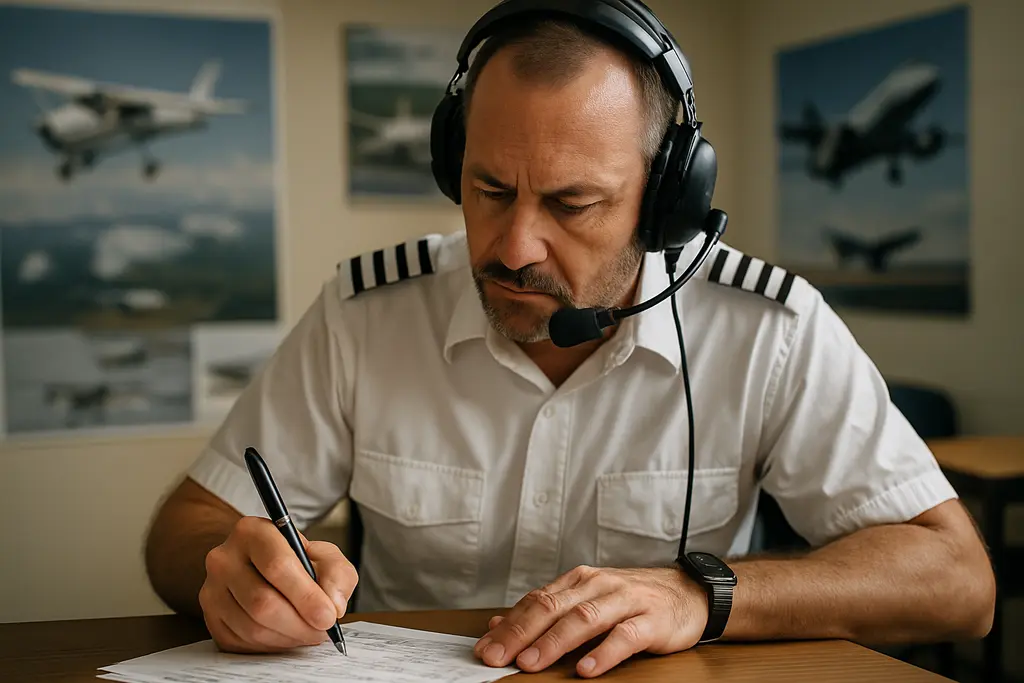
Earning a commercial pilot certificate allows you to fly for hire, yet most entry-level aviators face a steep hour deficit before qualifying for airline operations. The most proven path to bridge this gap relies entirely on the flight instructor route. Teaching new students provides a consistent way to log time and refine your own stick-and-rudder skills. You must learn how to become a CFI to accelerate your career progression efficiently. Transitioning from flying the aircraft to teaching someone else requires a complete mental shift. Reviewing the official FAA aviation instructor guidelines provides the foundational psychology needed to teach complex motor skills. Pilots figuring out how to build flight hours efficiently as a student pilot regularly realize that instructing offers the most reliable access to the flight deck.
Meeting The Baseline CFI Requirements
To qualify for the Certified Flight Instructor initial checkride, a candidate must hold a valid commercial pilot certificate with an instrument rating. The exact CFI requirements mandate passing two rigorous written exams: the Fundamentals of Instructing (FOI) and the Flight Instructor Airplane (FIA) test. The FOI covers educational psychology, human behavior, and the learning process. The FIA tests your technical aviation knowledge to a much higher standard than any previous written exam.
The practical exam itself is notoriously demanding. You sit in the right seat and teach flight maneuvers as you simultaneously execute them. An examiner expects you to explain aerodynamics clearly, spot student errors instantly, and recover the aircraft safely. You apply the exact same safety principles you learned when practicing for first solo flight success to your new students. Every maneuver gets evaluated on your ability to explain the reasoning behind the physical control inputs.
Evaluating The Flight Instructor Career Path
| Phase | Primary Objective | Key Skill Developed |
| Initial CFI | Teach Private and Commercial students in single-engine airplanes. | Basic instructional technique and risk management. |
| CFII (Instrument) | Teach Instrument Rating candidates in simulated or actual IMC. | Advanced avionics proficiency and ATC communication. |
| MEI (Multi-Engine) | Teach advanced students in twin-engine aircraft. | Asymmetric thrust management and complex systems. |
The Financial Reality Of A Flight Instructor Salary
Prospective instructors must evaluate the financial realities of this career stage. A flight instructor salary varies wildly depending on the geographic location and the business model of the flight school. Instructors working at busy Part 141 university programs often earn a predictable base salary with benefits. Independent instructors operating under Part 61 rules usually earn an hourly rate based strictly on flight and ground instruction time billed directly to the student.
Entry-level hourly rates typically range between thirty and fifty dollars an hour. Weather cancellations and maintenance delays directly impact your weekly paycheck in a purely hourly system. You can analyze regional compensation trends through the Bureau of Labor Statistics commercial pilot data to set realistic income expectations. Instructors must budget carefully during the winter months when flying days become scarce.
Developing A Teacher’s Mindset In The Cockpit
Good pilots do not automatically make good instructors. A successful CFI exhibits extreme patience and adapts their teaching style to match individual student personalities. When a student botches a steep turn, a competent instructor lets the error develop safely before stepping in, allowing the student to recognize and correct the mistake. The goal is to build independent, confident aviators.
Earning your CFI certificate transforms you into an aviation leader. Teaching reinforces your own foundational knowledge, making you a sharper, safer professional pilot ready for the airline environment. Consistent cockpit instruction shapes your aeronautical decision-making and prepares you for the intense crew resource management required in large turbine aircraft.