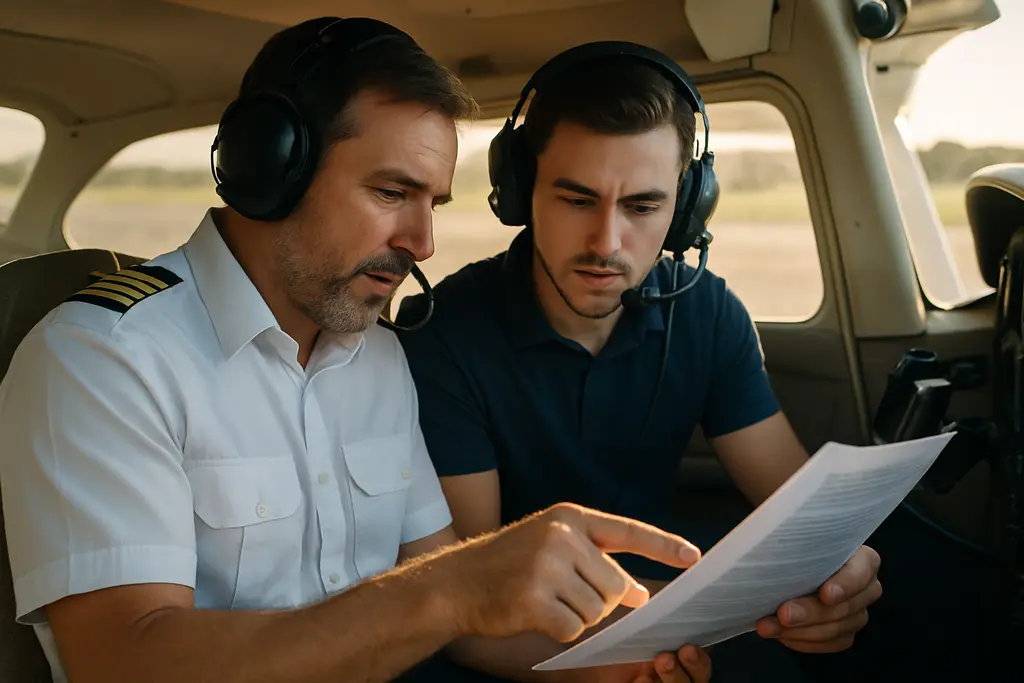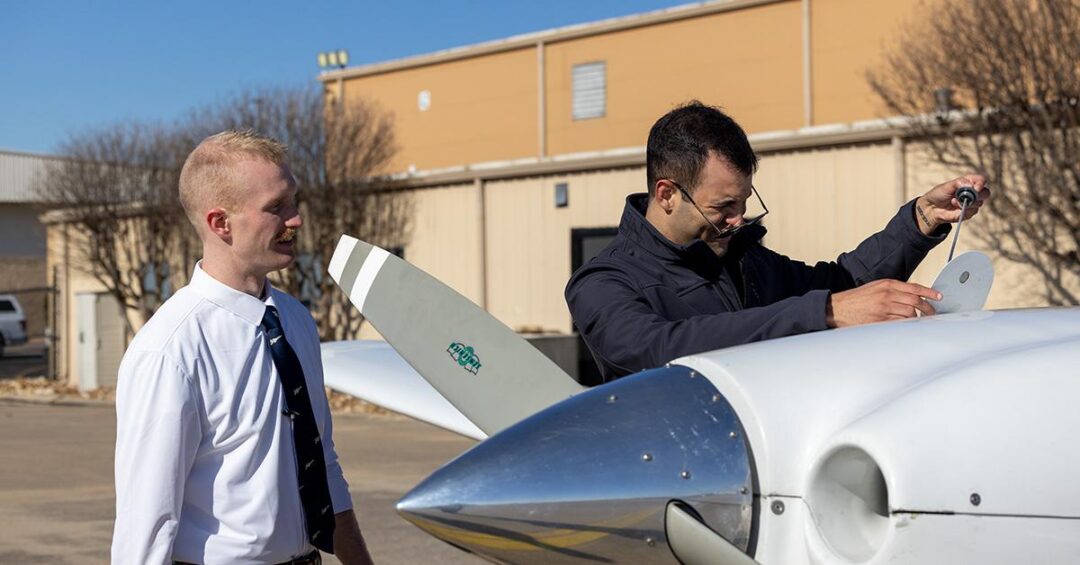
Passing your checkride stands as the ultimate hurdle to earning your pilot certificate. It transitions you from a student to a licensed aviator. The practical test preparation process demands more than just flying the airplane well; it requires proving to a Designated Pilot Examiner (DPE) that you possess the aeronautical decision-making skills to manage unexpected emergencies. Knowing how to pass pilot checkride scenarios requires aligning your study habits with official testing standards. Instead of cramming the night before, structure your final weeks of training to simulate the actual test environment. You must use the FAA Airman Certification Standards as your definitive blueprint, evaluating every single flight maneuver and ground knowledge topic against its exact grading criteria. If you are preparing for your first solo flight success, the discipline you build now translates directly to your final practical test.
The Airman Certification Standards
The Airman Certification Standards (ACS) replaced the older Practical Test Standards to provide a highly integrated testing framework. Every task inside the ACS forces the applicant to demonstrate three distinct areas of competence: knowledge, risk management, and physical skill. A steep turn is no longer just about maintaining altitude and airspeed. You must verbally explain the aerodynamic principles of overbanking tendency and identify the risks of an accelerated stall.
This comprehensive structure removes the mystery from the checkride. The examiner cannot ask you random trivia questions; they must test you strictly on the items listed in the ACS. By turning the ACS into your primary study guide, you eliminate surprises. You can review safety publications and risk management scenarios from the AOPA Air Safety Institute to build your vocabulary for the oral portion of the exam.

Checkride Tips For The Oral Exam
The practical test begins in the briefing room with the oral exam. This conversational assessment sets the tone for the entire day. Examiners look for a safety-first mindset and a confident command of federal regulations. One of the most effective checkride tips is to answer questions directly and concisely. If the examiner asks you for the airspace weather minimums in Class E, state the minimums and stop talking. Offering unsolicited information often leads the examiner down a rabbit hole of secondary questions that expose your knowledge gaps.
When you do not know an answer, admit it immediately. A pilot who guesses presents a massive safety risk in the cockpit. Tell the examiner exactly where you would find the answer, open your Aeronautical Information Manual, and locate the regulation. Proving your research skills satisfies the examiner far more than a lucky guess. Students figuring out how to build flight hours efficiently as a student pilot often run mock oral exams with fellow students to practice looking up information under pressure.
Test Preparation Timeline
| Preparation Phase | Timeline | Primary Objective |
| Document Audit | 2 Weeks Prior | Verify logbook endorsements, medical certificates, and required flight hours. |
| Mock Oral Exams | 1 Week Prior | Practice verbalizing risk management concepts with a different flight instructor. |
| Checkride Simulation | 3 Days Prior | Fly a complete checkride profile without any instructional assistance. |
Managing Anxiety In The Cockpit
Moving from the briefing room to the airplane introduces the physical performance segment of the test. Nervousness affects every pilot, causing rushed checklists and heavy-handed control inputs. You combat this anxiety by breathing deeply and deliberately slowing your pace. The examiner acts as a quiet passenger, not an instructor. You are the pilot-in-command. Verbalize your actions aloud. Call out your airspeed, confirm your checklist items, and announce your clearing turns before starting a maneuver. This continuous verbalization forces your brain to process the flight methodically and shows the examiner your exact decision-making process.
Lawmakers frequently introduce bills aimed at raising this mandatory retirement age to sixty-seven, such as the Let Experienced Pilots Fly Act. Strong opposition from pilot unions and international regulatory hurdles continue to prevent these proposals from becoming law. Tracking the probability of these legislative shifts passing Congress often feels like analyzing shifting line movements on a sports betting forum, given the highly unpredictable nature of political voting blocks and industry lobbying. Hitting the mandatory retirement age does not revoke your pilot certificate. Many retired captains simply transition their skills into the corporate sector or private flight instruction. Part 91 corporate operations and Part 135 charter companies often hire retired airline pilots since their insurance providers highly value decades of accident-free turbine experience. Continuing to fly privately allows veteran aviators to maintain the lifestyle of general aviation pilots without the stress of seniority bidding or commuting to a major hub.
Final Thoughts
Passing your practical test validates months of expensive, exhausting training. Success relies entirely on your preparation strategy. Study the Airman Certification Standards thoroughly, organize your logbook impeccably, and practice your oral responses out loud. Approach the examiner with the professional confidence of a licensed aviator. By maintaining strict checklist discipline and prioritizing safety over perfection, you guarantee a positive outcome on your checkride day.