
The sport pilot PTS changes are no longer just a proposal for schools and applicants to monitor. Confirmed: the FAA published the Sport Pilot Practical Test Standards Alignment final rule on September 14, 2026, and compliance with the revised standards starts on October 14, 2026. For aspiring pilots, the practical effect is clearer testing language that matches the broader MOSAIC rule, a higher recovery-altitude margin for key airplane tasks, and a more direct connection between training plans and the aircraft privileges now available under updated sport pilot rules.
Confirmed: MOSAIC became effective for sport pilot certification, light-sport aircraft certification, and maintenance of light-sport aircraft on July 24, 2025, while related rules for certification of light-sport category aircraft carried a July 24, 2026 effective date, as described by the FAA on its MOSAIC information page. That timing matters because a practical test standard cannot sit apart from the certificate privileges it is designed to measure. Once the aircraft eligibility language changed, the test standards needed to follow.
Sport Pilot PTS Changes Now In Force
Why Sport Pilot PTS Alignment Matters
The sport pilot PTS revisions updated three FAA practical test standards documents to version B: FAA-S-8081-29B, FAA-S-8081-30B, and FAA-S-8081-31B. Confirmed: those documents were updated in June 2026 and became effective on September 14, 2026. The final rule aligned those standards with MOSAIC by replacing references built around the older “light-sport aircraft” term with references to aircraft that meet the applicable performance limits and design requirements in § 61.316.
That wording shift is more than an editing change. Under the research record, the older term “light-sport aircraft,” defined in § 1.1, was removed from the sport pilot PTS context and replaced with aircraft eligibility tied to the newer MOSAIC framework. Confirmed: as of October 22, 2025, sport pilots could operate aircraft beyond only those previously classified as light-sport, subject to the new part 61 regulations. For a student, that means the airplane used in training and testing must be checked against the new performance and design criteria, not judged only by the prior label.
What Changed From Proposal To Final Rule
The FAA rulemaking path matters because the September 14, 2026 final rule adopted at least one substantive change from public comments. Confirmed: the minimum recovery altitude for stalls and slow flight tasks in FAA-S-8081-29B, covering airplane, rotorcraft, and glider practical test standards, was raised from 1,000 feet AGL to 1,500 feet AGL. For applicants, this is a direct training item, not a paperwork issue. Instructors should brief the altitude expectation early, then make sure students can explain and demonstrate task management within the updated standard.
Confirmed: the FAA estimated in the rulemaking record that the PTS changes create no new costs for applicants seeking an initial certificate, rating, or privilege, and no new costs for existing airmen, while the agency expected minimal costs to update materials, as stated in the Federal Register proposal. Cost-neutral does not mean effort-free. Schools still need to update lesson plans, check instructor standardization, and make sure applicants are not preparing from outdated task descriptions.
The Sport Pilot PTS Safety Margin
Stalls And Slow Flight Recovery Altitude
The most concrete safety change in the sport pilot PTS update is the new 1,500-foot AGL minimum recovery altitude for stalls and slow flight tasks in FAA-S-8081-29B. Training implication: this gives applicants a clearer buffer during demonstrations that require precise control, energy awareness, and disciplined recovery technique. The change also gives instructors and designated examiners a cleaner reference point when evaluating whether the maneuver was conducted within the standard.
For a student pilot, the practical lesson is straightforward: do not treat the altitude as a number to mention only during checkride preparation. Build it into every maneuver briefing. A good pre-maneuver setup should confirm altitude, traffic awareness, configuration, entry parameters, and the planned recovery point before the aircraft is slowed or placed near a stall indication. The higher recovery requirement reinforces the same habit pattern students will need after certification, especially as sport pilot aircraft choices expand under MOSAIC.
Instructor Standardization Before October 14, 2026
Compliance with the revised standards starts on October 14, 2026. Confirmed: that date follows the final rule publication date of September 14, 2026. Flight schools have a short but usable window to review syllabi, maneuver profiles, stage checks, and mock practical tests. The most exposed applicants are those who trained under older briefing language but test after the compliance date. They should ask their instructor which version of the standard is being used and verify that their training record reflects the new expectations.
Applicants can also benefit from reviewing related school-level planning. A focused discussion of FAA sport pilot testing changes is available in this site’s analysis of sport pilot practical tests, which connects the higher recovery altitude to day-to-day training safety. Readers comparing how educational aviation material is presented across network sites may also recognize the related video content provided by Internet Video Magazine.
MOSAIC Privileges And Aircraft Eligibility
Aircraft Language After Light-Sport Terminology
The practical test standards now sit inside a broader MOSAIC structure. Confirmed: MOSAIC introduced sport pilot and instructor enhancements effective October 22, 2025, including the ability to operate more types of aircraft, such as aircraft with retractable landing gear and manual controllable pitch propellers, and to conduct night operations when the required endorsements are held. The PTS alignment does not grant every privilege by itself; rather, it helps the testing standard match the rule language that governs those privileges.
Training implication: applicants should separate three questions. First, does the aircraft meet the applicable MOSAIC performance limits and design requirements? Second, does the pilot hold the correct certificate, rating, privilege, and endorsement for the operation? Third, does the lesson plan prepare the applicant for the exact practical test tasks tied to that privilege? Keeping those questions separate helps prevent a common mistake: assuming that an expanded category of eligible aircraft automatically removes training or endorsement requirements.
Airplane And Simplified-Flight-Controls Privileges
Confirmed: the updated practical test standards align requirements for pilots and flight instructors with sport pilot ratings who seek to add airplane privileges or simplified-flight-controls helicopter privileges to a sport pilot certificate. AC 61-146, issued on November 14, 2025, also provides FAA guidance on sport pilot certification, training, operations, and the new simplified flight controls designation under MOSAIC. The research record supports the existence and purpose of that advisory circular, though applicants should rely on current FAA publications and their instructor for the exact training steps required for their certificate path.
The training value is clarity. Before these alignment changes, a student could read aircraft eligibility through one rule framework while preparing for a practical test written around older terminology. The updated standards reduce that mismatch. For schools, that supports cleaner ground briefings. For applicants, it reduces the chance of arriving at a practical test with the wrong understanding of which aircraft, task standard, or privilege is being evaluated.
Practical Training Steps For Applicants
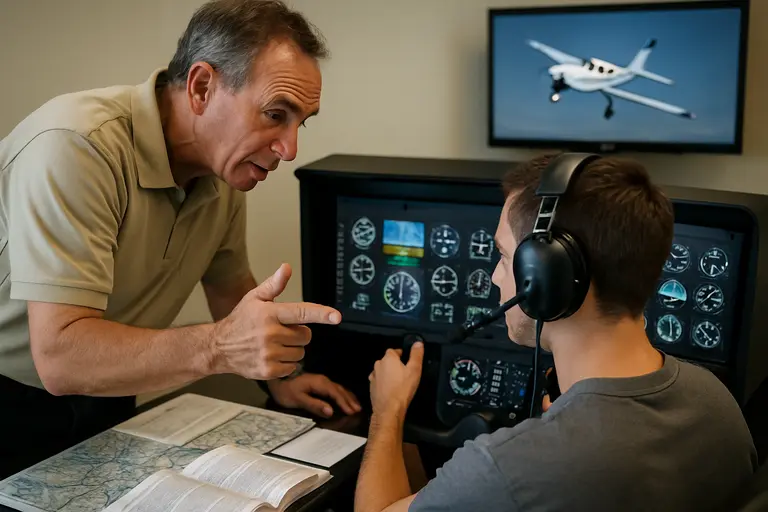
Check The Test Version Before Scheduling
Any applicant testing on or after October 14, 2026 should confirm that their instructor, school, and examiner are working from the revised version B documents where applicable. This is especially relevant for students who began training before the final rule was published on September 14, 2026. A training folder built around older terminology may still contain useful notes, but it should not be the only reference for a post-compliance practical test.
Applicants should also ask their instructor to connect each lesson to the MOSAIC-aligned standard. That does not require making training more complicated. It means calling out the aircraft eligibility basis, the task objective, the acceptable performance standard, and any endorsement requirement before the student reaches checkride week. The sport pilot PTS update rewards early clarity because it affects how a student prepares, not just how an examiner grades.
Use The Cost Finding Wisely
The FAA’s no-new-cost estimate is useful for planning, but applicants should read it correctly. Confirmed: the FAA did not estimate new applicant costs from the PTS alignment itself. That does not prevent a school from spending instructor time on updates, nor does it mean every student will need exactly the same number of lessons before testing. A student who has already practiced stalls and slow flight to the old altitude standard may need extra review, while a new applicant can learn the updated profile from the beginning.
- Confirm which revised PTS document applies to the aircraft and privilege sought.
- Brief the 1,500-foot AGL recovery minimum for stalls and slow flight before each relevant lesson.
- Ask how MOSAIC aircraft eligibility affects the training aircraft used for the practical test.
- Verify endorsement needs for expanded operations such as night operations where applicable.
Sport Pilot PTS Preparation After MOSAIC
The sport pilot PTS update is best understood as an alignment step that turns MOSAIC policy changes into practical test language. Confirmed: MOSAIC expanded the framework for sport pilot privileges, and the September 14, 2026 final rule revised the applicable standards so applicants, instructors, and examiners can work from matching terminology. The biggest day-to-day training change is the 1,500-foot AGL recovery altitude for stalls and slow flight in FAA-S-8081-29B.
For aspiring pilots, the smartest response is not to wait until the checkride. Review the updated standards with an instructor, confirm aircraft eligibility under the new wording, and practice every affected maneuver to the post-compliance standard before October 14, 2026. That approach keeps training efficient, supports safer maneuver planning, and helps the expanded MOSAIC privileges make sense in the cockpit rather than only on paper.