Living in one city and working in another defines the career of a junior airline commuter pilot. When a newly hired first officer receives their base assignment, it rarely aligns with their current hometown. Relocating a family across the country proves expensive and highly disruptive, leading thousands of aviators to commute by air to their designated domicile. This decision introduces a heavy logistical burden that begins long before the aircraft engine starts. You must factor in flight delays, full passenger loads, and hotel costs just to show up to work on time. The dedication required to manage this two-city lifestyle traces back to the very discipline you established when preparing for your first solo flight success. Reviewing industry demographic data published by the Air Line Pilots Association reveals that more than half of all commercial aviators commute at some point during their careers.
The Logistics Of The Jumpseat
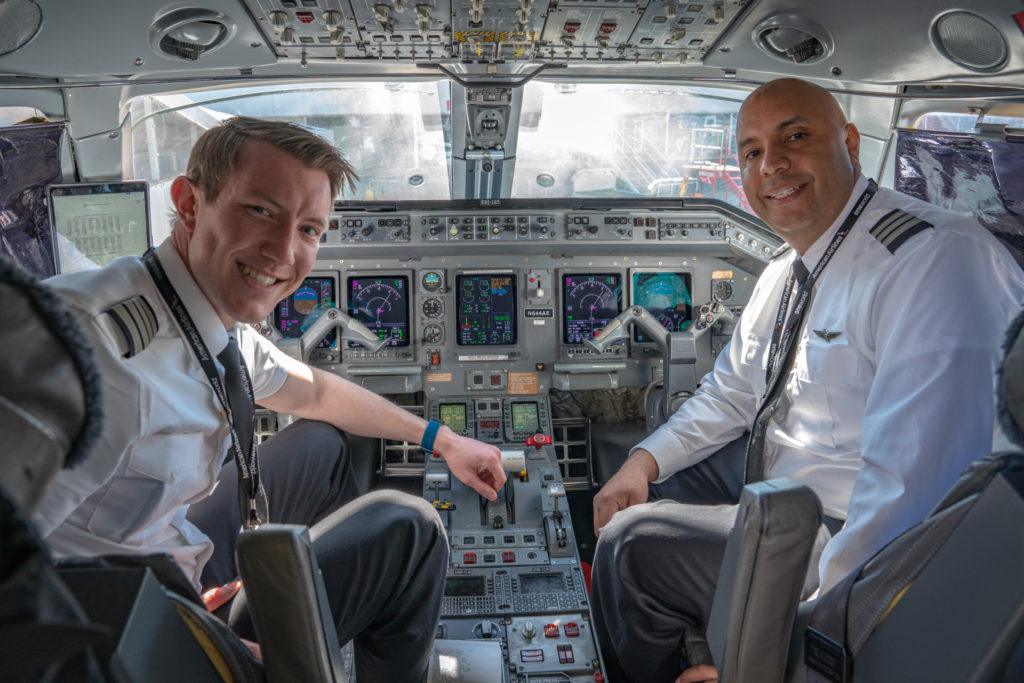
Commuting requires flying standby on your own airline or catching a ride on a competitor’s aircraft. Paying passengers always take priority over an off-duty employee. When the cabin completely fills up, a commuting pilot relies on the Cockpit Access Security System (CASS). CASS allows verified flight crew members to occupy the physical jumpseat located inside the flight deck.
Riding the jumpseat operates on strict professional courtesy. You must present your credentials, ask the captain for permission to ride, and remain completely unobtrusive during the flight. You cannot sleep, read a novel, or distract the operating crew. Earning your spot on the flight deck requires maintaining the exact same professional demeanor you displayed when figuring out how to build flight hours efficiently as a student pilot. For precise regulatory definitions of jumpseat eligibility, you must reference the official Federal Aviation Administration security directives.

Evaluating The Crashpad Ecosystem
When a commuter arrives at their base the night before an early morning departure, they need an affordable place to sleep. Renting a full apartment in an expensive hub city like New York or San Francisco destroys a junior first officer’s paycheck. The industry solved this problem by creating crashpads.
A crashpad functions as a shared apartment or large house located within a short drive or train ride from the airport. A landlord packs multiple bunk beds into each room, renting the beds to flight attendants and pilots. Crashpads operate on strict quiet hours and heavy sanitation rules to accommodate crews sleeping at all hours of the day.
| Bed Type | Financial Cost | Privacy And Convenience Level |
| Cold Bed | Premium monthly rate | High. The bed belongs exclusively to you. You can leave your uniform and toiletries permanently. |
| Hot Bed | Discounted monthly rate | Low. You must claim an open bunk upon arrival and remove all personal items upon departure. |
Managing Fatigue And Federal Duty Restrictions
The physical toll of catching a morning flight just to begin a twelve-hour workday severely impacts human performance. Federal regulations strictly govern pilot rest under Part 117 guidelines, yet the agency considers your commute to be your own personal time. It does not count against your legal duty limits. You hold the ultimate responsibility to guarantee you show up to the briefing room rested and fit to fly.
Pilots who choose not to commute often enjoy a much higher quality of life, matching the relaxed lifestyle of general aviation pilots who sleep in their own beds every night. Commuters must build large buffers into their schedules, often leaving home a full day early during winter storms to guarantee they do not miss their assigned trip. Analyzing delay metrics via the Bureau of Transportation Statistics helps commuters identify which specific hub flights frequently face weather or mechanical cancellations.
Bidding For Commutable Schedules
Airline schedules operate on a strict seniority bidding system. The longest-tenured pilots receive the most desirable trips. A junior commuter pilot actively bids for trips that start late on the first day and finish early on the final day. This specific structure allows them to fly into base on the morning of day one, fly a three-day trip, and catch a flight home on the afternoon of day three.
Securing these highly coveted commutable lines requires months or years of waiting on the seniority list. Until that happens, commuters spend their days off sitting in airport terminals, drinking bad coffee, and hoping the gate agent clears them for the last seat on the plane.