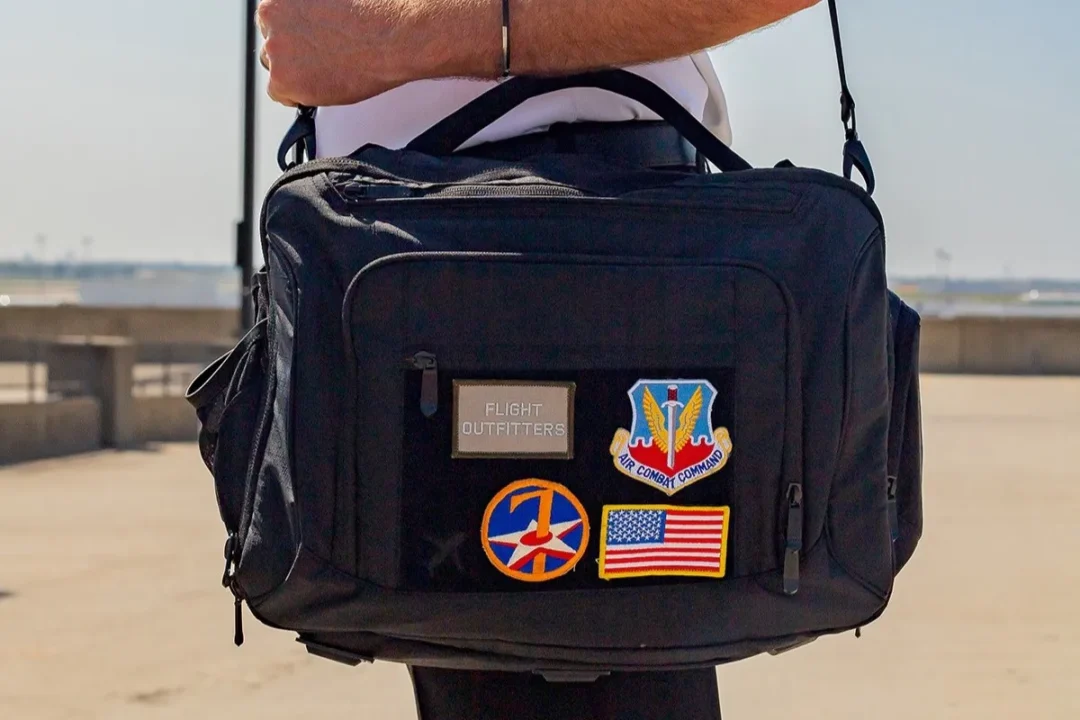
A disorganized cockpit creates an immediate safety hazard. When an emergency strikes, you cannot waste seconds digging through a cluttered pile of gear looking for a flashlight or a spare battery. Selecting the right equipment storage directly impacts your situational awareness. Student aviators often purchase massive duffle bags, assuming they need to carry every textbook they own to the airport. Professional operators take the exact opposite approach. They evaluate the best flight bags based on a minimal footprint and fast accessibility. A tight Cessna 172 or a narrow regional jet flight deck offers very little floor space. Your storage solution must fit neatly behind a seat or slide under a rudder pedal guard without jamming the flight controls.
Sizing And Spatial Constraints
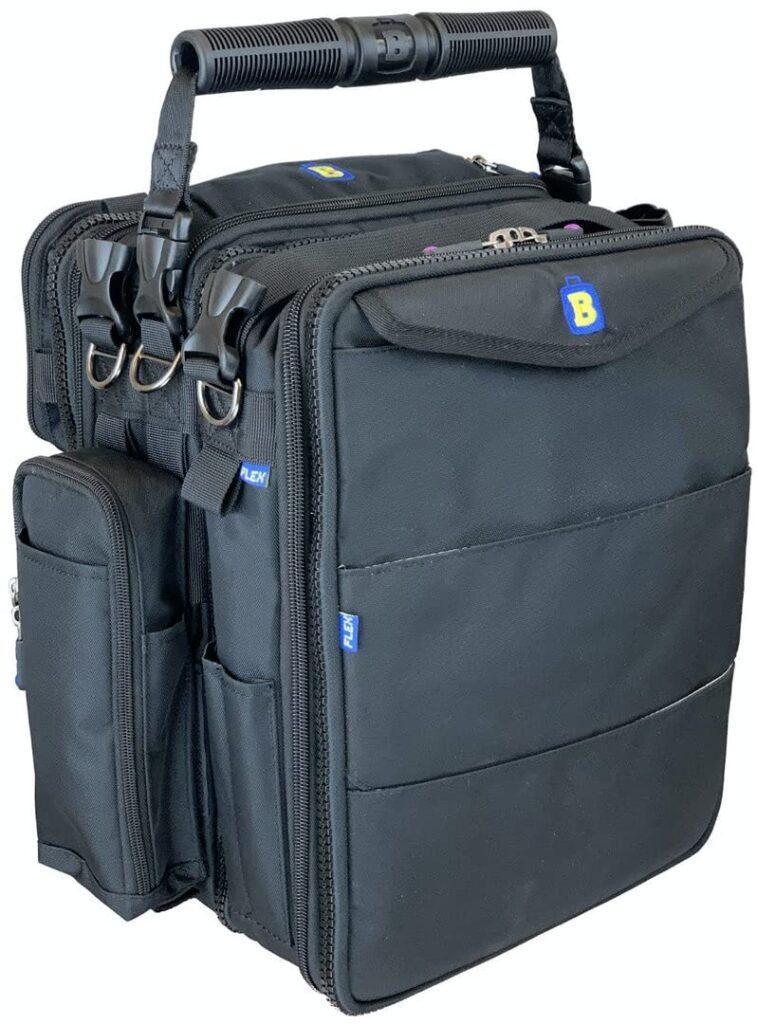
The physical dimensions of your storage dictate its utility. Soft-sided messenger bags and compact backpacks perform best in light aircraft because you can mold them into awkward floor spaces. Rigid metal or heavy leather cases look professional, but they damage interior plastics and refuse to wedge between seats. You must prioritize vertical storage solutions that allow you to pull items straight up with one hand while keeping your other hand on the yoke. The Federal Aviation Administration publishes distinct advisory circulars regarding the safe securing of electronic flight bags and mounting hardware, reinforcing the rule that loose items present a severe risk during turbulence. Keep the footprint small so the bag remains secure during aggressive maneuvers.
Protecting High-Value Electronics
Your primary flight tools consist of fragile, expensive electronics. Your bag must feature a dedicated, padded compartment built exclusively for an active noise reduction headset. Throwing a heavy headset into a main compartment with metal flashlights eventually crushes the ear cups and severs the communication cables. Tablet computers require a separate sleeve that suspends the device above the bottom of the bag to prevent screen damage when you drop the bag on the tarmac.
You rely entirely on these tablets for navigation, forcing you to carry backup lithium battery banks. The Pipeline and Hazardous Materials Safety Administration sets strict regulations for carrying lithium-ion batteries on aircraft due to their fire risk. Store these heavy battery blocks in a designated exterior pocket where you can grab them quickly without sorting through other equipment. Reviewing our recommended aviation resources will help you identify which exact power banks meet these safety limits while keeping your electronics charged.
Managing Paper Charts And Backup Documents
Electronic displays fail. Screens overheat in direct sunlight, and charging cables break mid-flight. Operating an aircraft safely requires immediate access to physical backup documents. You must dedicate a flat, easily accessible pocket strictly for paper terminal area charts and a physical airport facility directory. Cramming paper charts into a main compartment ruins the folds and makes them impossible to read during a high-workload instrument approach. For verified physical charting options, you can order current standard publications directly from the Aeronautical Information Services catalog to guarantee your paper backups match your digital displays perfectly.
| Bag Style | Cockpit Footprint | Primary Advantage |
| Soft-Sided Messenger | Minimal | Slides easily between seats; offers direct vertical access. |
| Aviation Backpack | Moderate | Distributes weight well for long terminal walks. |
| Hard-Sided Briefcase | Large | Provides maximum impact protection for sensitive electronics. |
Packing With A System
A high-quality bag offers zero benefit if you pack it randomly. Establish a rigid packing system and stick to it before every flight. Store your emergency flashlight in the exact same exterior pocket every time. Place your pilot certificate and medical in a secure, zippered mesh pocket where they cannot fall out when you retrieve your headset. Developing this mechanical routine guarantees you can find any tool you need with your eyes closed, keeping your full visual attention outside the aircraft where it belongs.