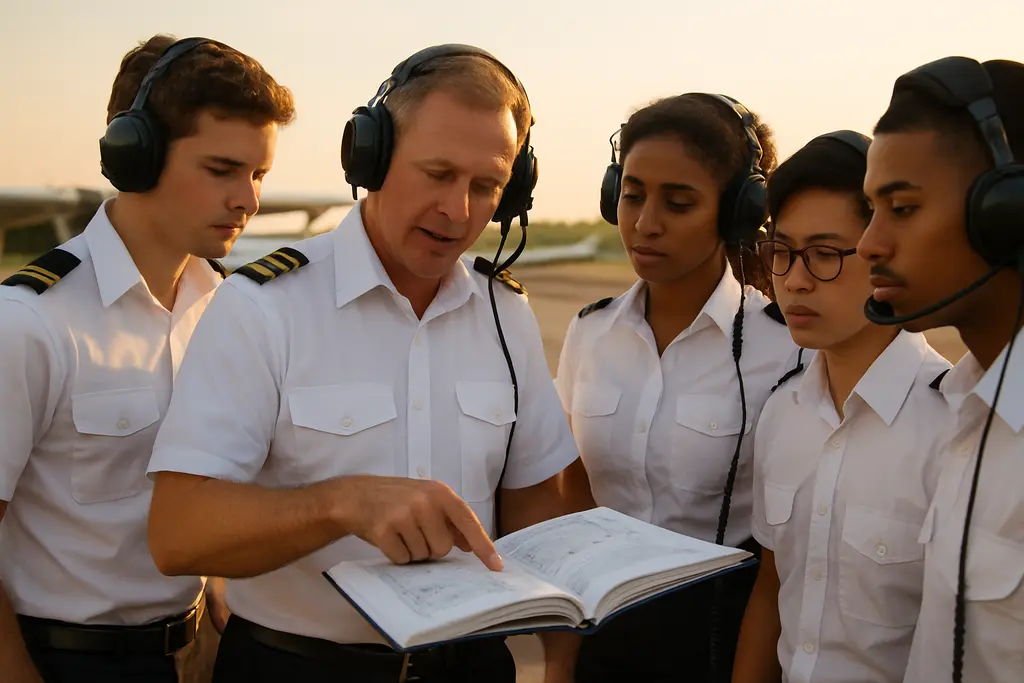
The financial requirement of learning to fly stops more prospective aviators than the written exams or practical checkrides. Paying for a private pilot certificate, instrument rating, and commercial license requires a substantial capital investment. Prospective pilots must treat their training like a professional degree program, aggressively seeking out multiple funding streams—such as pilot scholarships and regional grants—to keep their syllabus schedule consistent. Consistency in the cockpit prevents skill regression, which directly lowers the total cost of instruction over time.
A piecemeal approach to funding often leads to training delays. A student might perfect steep turns one week but run out of funds the next, losing the muscle memory before their subsequent lesson. Securing reliable flight training financing upfront prevents these costly gaps. Many students look at how to build flight hours efficiently and realize having capital ready in the bank allows them to fly multiple times a week. You can research current industry loan rates and federal student aid parameters through the Federal Student Aid website if you attend an accredited university flight program.
Evaluating Flight Training Financing Options
Paying out of pocket remains the safest way to avoid interest debt. Few people have forty thousand dollars sitting in a liquid savings account, meaning the private loan market often fills this gap. Aviation-specific lenders offer specialized loans structured around standard flight school timelines. These loans frequently require a co-signer and carry higher interest rates than traditional student loans since the debt is unsecured by physical collateral.
Students attending Part 141 university programs have access to federal student loans, offering better consumer protections and income-driven repayment plans. Independent Part 61 flight schools rarely qualify for these federal programs. Before signing any promissory note, calculate the expected monthly payment against an entry-level flight instructor salary. This financial planning step separates a successful career launch from a stressful debt burden. A realistic view of the lifestyle of general aviation pilots includes acknowledging the lean early years of professional flying. Always cross-reference the Consumer Financial Protection Bureau guidelines on private education loans to protect yourself from predatory lending practices.

Securing Aviation Grants For Pilots
Unlike aviation loans, aviation grants for pilots require zero repayment. They function as direct investments in the future aviation workforce. State governments and regional aviation authorities frequently offer workforce development grants to combat local pilot shortages. These programs often target high school students or transitioning military veterans looking for a second career.
The application process for regional grants is highly competitive. Review boards look for applicants with a documented commitment to the local aviation community. Volunteering at a local regional airport or joining a local flying club strengthens your application significantly, proving your dedication goes beyond simply wanting free flight time.
| Funding Source | Repayment Required | Typical Availability |
| Aviation Loans | Yes, with interest | Year-round through private banks or federal programs for Part 141 students. |
| Pilot Scholarships | No | Annually during specific application windows set by aviation organizations. |
| Workforce Grants | No | Contingent on state budgets and local aviation workforce demands. |
Top Pilot Scholarships 2026 Application Strategies
National aviation organizations distribute millions of dollars annually to aspiring aviators. Treating the search for pilot scholarships 2026 like a part-time job yields the best results. Organizations like the Aircraft Owners and Pilots Association (AOPA) and Women in Aviation International (WAI) open their application windows months in advance and expect highly polished submissions.
Winning a scholarship requires more than just meeting the basic flight hour prerequisites. Scholarship committees want to fund students who show clear progression and a high likelihood of completing their checkrides. They ask for letters of recommendation, written essays, and proof of written exam completions. Showing you actively practice and prepare on the ground, such as studying for first solo flight success, proves you will not waste their money. Organizations want a return on their investment in the form of a licensed, safe pilot. To find specific application deadlines and essay requirements, monitor the official AOPA Flight Training Scholarship portal throughout the year.